
Contents
- ✨ What is 80s Pop Culture?
- 📍 Where to Experience the Vibe
- 🎶 The Soundtrack of the Decade
- 🎬 Visual Spectacles: Film & TV
- 🕹️ Gaming's Arcade Ascent
- 👗 Fashion Forward: Shoulder Pads & Spandex
- 💡 Key Figures & Influences
- 💰 Nostalgia Economy: The Resurgence
- ⭐ Vibe Check: Ratings & Resonance
- 🤔 Debates & Controversies
- 🚀 The Future of 80s Influence
- 📞 Get Your 80s Fix
- Frequently Asked Questions
- Related Topics
Overview
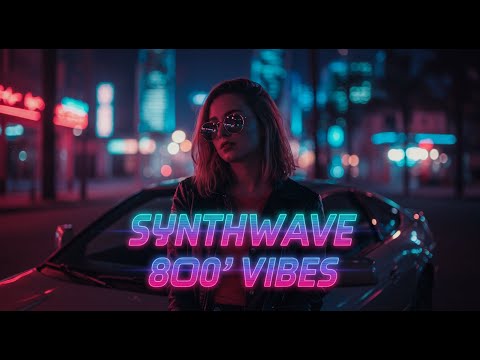
80s Pop Culture: Neon Dreams and Synthesized Soundscapes isn't just a historical period; it's a persistent cultural force. Think vibrant, often excessive, and undeniably catchy. This era, roughly spanning 1980-1989, is characterized by its bold aesthetics, technological leaps, and a distinct sonic identity. It's a world of neon lights, big hair, synthesizers, and a burgeoning globalized media landscape. For anyone seeking to understand the roots of modern entertainment, gaming, and fashion, this decade offers a foundational, and frankly, fun, case study. It’s the era that gave us [MTV](MTV) and the rise of the music video as a dominant art form, fundamentally changing how music was consumed and marketed.
📍 Where to Experience the Vibe
While you can't physically step into a time machine, experiencing 80s pop culture today involves a multi-pronged approach. Museums and retrospectives occasionally pop up, but the real action is often in dedicated fan communities and online archives. Many cities host 80s-themed nights at clubs or bars, playing hits from artists like Michael Jackson and Madonna. Retro arcades, like Barcade, offer a tangible connection to the gaming scene, complete with original cabinets. Streaming services provide access to iconic films and television shows, allowing for binge-watching sessions of classics such as The Breakfast Club or Stranger Things, which itself is a massive homage.
🎶 The Soundtrack of the Decade
The sound of the 80s is inseparable from its identity. Synthesizers, drum machines, and electronic effects defined genres from New Wave and Synth-pop to early Hip Hop and Hair Metal. Artists like Duran Duran, Depeche Mode, and Prince crafted sonic landscapes that were both futuristic and danceable. The sheer ubiquity of these sounds, from radio waves to movie soundtracks, cemented their place in collective memory. Even today, the influence of 80s synth lines can be heard in contemporary pop music, a testament to their enduring appeal.
🎬 Visual Spectacles: Film & TV
The 1980s were a golden age for cinematic spectacle and television innovation. Blockbuster films like The Empire Strikes Back (1980), E.T. the Extra-Terrestrial (1982), and Back to the Future (1985) defined a generation's cinematic vocabulary. On television, shows like Miami Vice not only told compelling stories but also set fashion trends and popularized a distinct visual style. The rise of cable television and the VHS format allowed for greater experimentation and niche programming, broadening the cultural output.
🕹️ Gaming's Arcade Ascent
For many, the 80s are synonymous with the arcade. The golden age of arcade gaming saw titles like Pac-Man, Donkey Kong, and Galaga become cultural phenomena, generating billions in revenue. This era also laid the groundwork for home consoles, with the Nintendo Entertainment System (NES) launching in 1985, revolutionizing the industry after the video game crash of 1983. The simple yet addictive gameplay loops and high-score chasing fostered a competitive spirit that continues to influence game design today.
👗 Fashion Forward: Shoulder Pads & Spandex
Fashion in the 80s was a maximalist statement. Think bold colors, exaggerated silhouettes, and a liberal use of accessories. Shoulder pads in blazers and dresses created a powerful, assertive look, while spandex and neon leggings defined athletic and casual wear. Hairstyles were equally dramatic, with perms, mullets, and gravity-defying creations being the norm. Brands like Nike and Reebok became status symbols, fueled by celebrity endorsements and a growing emphasis on fitness culture. This era's fashion is often revisited, with designers and consumers frequently drawing inspiration from its audacious spirit.
💡 Key Figures & Influences
Several key figures and movements shaped the 80s pop culture landscape. Steve Jobs and the personal computer revolution, the rise of MTV VJs like Martha Quinn, and the musical genius of Michael Jackson and Madonna were pivotal. The influence of directors like John Hughes on teen cinema and the emergence of distinct subcultures like Goth and Hip Hop culture created a dynamic and often contradictory cultural milieu. These individuals and movements didn't just participate in the era; they actively defined its trajectory.
💰 Nostalgia Economy: The Resurgence
The enduring appeal of 80s pop culture has spawned a significant nostalgia economy. Reboots of classic films and TV shows, retro-themed merchandise, and a constant stream of 80s-inspired music and fashion demonstrate its commercial viability. This resurgence isn't just about sentimentality; it taps into a desire for perceived simpler times, vibrant aesthetics, and a less fragmented media environment. The success of shows like Stranger Things on Netflix highlights how effectively the 80s can be repackaged for modern audiences, often with a meta-commentary on the era itself.
⭐ Vibe Check: Ratings & Resonance
On a Vibepedia Vibe Score of 0-100, 80s Pop Culture consistently scores high, often in the 85-90 range for cultural energy and resonance, particularly within its target demographics. Its optimistic perspective is rooted in technological advancement and a sense of boundless possibility, while a pessimistic view might highlight its excesses and superficiality. The controversy spectrum is relatively low for the core elements, but debates arise regarding its commercialization and the romanticization of the era. Its influence flows are vast, impacting everything from modern music production to fashion trends and cinematic storytelling.
🤔 Debates & Controversies
The primary debate surrounding 80s pop culture centers on whether its enduring popularity is a sign of genuine artistic merit or a symptom of cultural stagnation, a reliance on past glories. Critics argue that the constant rehashing of 80s tropes can stifle new creativity, while proponents contend that these elements provide a rich source of inspiration and a comforting connection to a vibrant past. Another point of contention is the romanticization of the era, often overlooking its social and political complexities in favor of a more palatable, neon-drenched narrative. The role of corporate culture in shaping and commodifying these trends is also a frequent subject of discussion.
🚀 The Future of 80s Influence
The future of 80s pop culture's influence is less about direct replication and more about thematic integration. Expect to see continued nods to its aesthetics, sonic palettes, and narrative structures in new media. The rise of AI-generated content might even lead to novel interpretations of 80s styles. The key will be how creators blend these retro elements with contemporary sensibilities to avoid mere pastiche. The enduring appeal suggests that the core elements of optimism, bold expression, and technological wonder will continue to resonate, finding new forms of expression in the digital age.
📞 Get Your 80s Fix
To immerse yourself in 80s pop culture, start by curating a playlist of iconic hits from artists like a-ha and Cyndi Lauper. Explore streaming services for classic films and TV shows from the decade. Visit a retro arcade if one is nearby, or seek out 80s-themed club nights. Engage with online communities dedicated to 80s nostalgia. For a deeper dive, consider reading books on the era's music, film, and fashion, or exploring documentaries that chronicle its cultural impact. The Vibepedia knowledge graph can also guide you to related subcultures and historical contexts.
Key Facts
- Year
- 1980
- Origin
- Global
- Category
- Pop Culture
- Type
- Decade
Frequently Asked Questions
What are the defining characteristics of 80s pop culture?
Key characteristics include bold aesthetics (neon colors, big hair), synthesized music (synth-pop, new wave), technological advancements (personal computers, video games), iconic films and TV shows, and a distinct fashion sense (shoulder pads, spandex). The rise of MTV also played a crucial role in shaping visual culture and music consumption during this period.
Which artists best represent the sound of the 80s?
Artists like Michael Jackson, Madonna, Prince, Duran Duran, Depeche Mode, Eurythmics, and Cyndi Lauper are quintessential. Their music often featured prominent synthesizers, electronic beats, and catchy melodies that defined the decade's sonic landscape and achieved massive global success.
What are some must-watch films and TV shows from the 80s?
Essential films include 'The Breakfast Club,' 'Back to the Future,' 'E.T. the Extra-Terrestrial,' 'Star Wars: The Empire Strikes Back,' and 'Ghostbusters.' For TV, consider 'Miami Vice,' 'The A-Team,' 'Knight Rider,' and 'Cheers.' These titles capture the era's spirit, genres, and cultural impact.
How has 80s pop culture influenced contemporary trends?
Its influence is pervasive in modern music production (synth sounds), fashion (retro styles, bold colors), film and TV (reboots, homages like 'Stranger Things'), and even gaming (retro-inspired mechanics). The 80s aesthetic and themes continue to be a rich source of inspiration for creators across various media.
Where can I find 80s-themed events or experiences today?
Look for 80s-themed nights at local clubs or bars, retro arcades, and occasional pop-up exhibitions or conventions. Streaming services offer extensive libraries of 80s content, and online communities are active hubs for discussing and sharing nostalgia.
Is 80s pop culture just about nostalgia, or does it have deeper significance?
While nostalgia is a major driver, 80s pop culture also represents a significant shift in media consumption, technological integration, and globalized culture. It laid the groundwork for many aspects of today's entertainment industry and digital landscape, making its study relevant beyond mere sentimentality.