
Contents
Overview
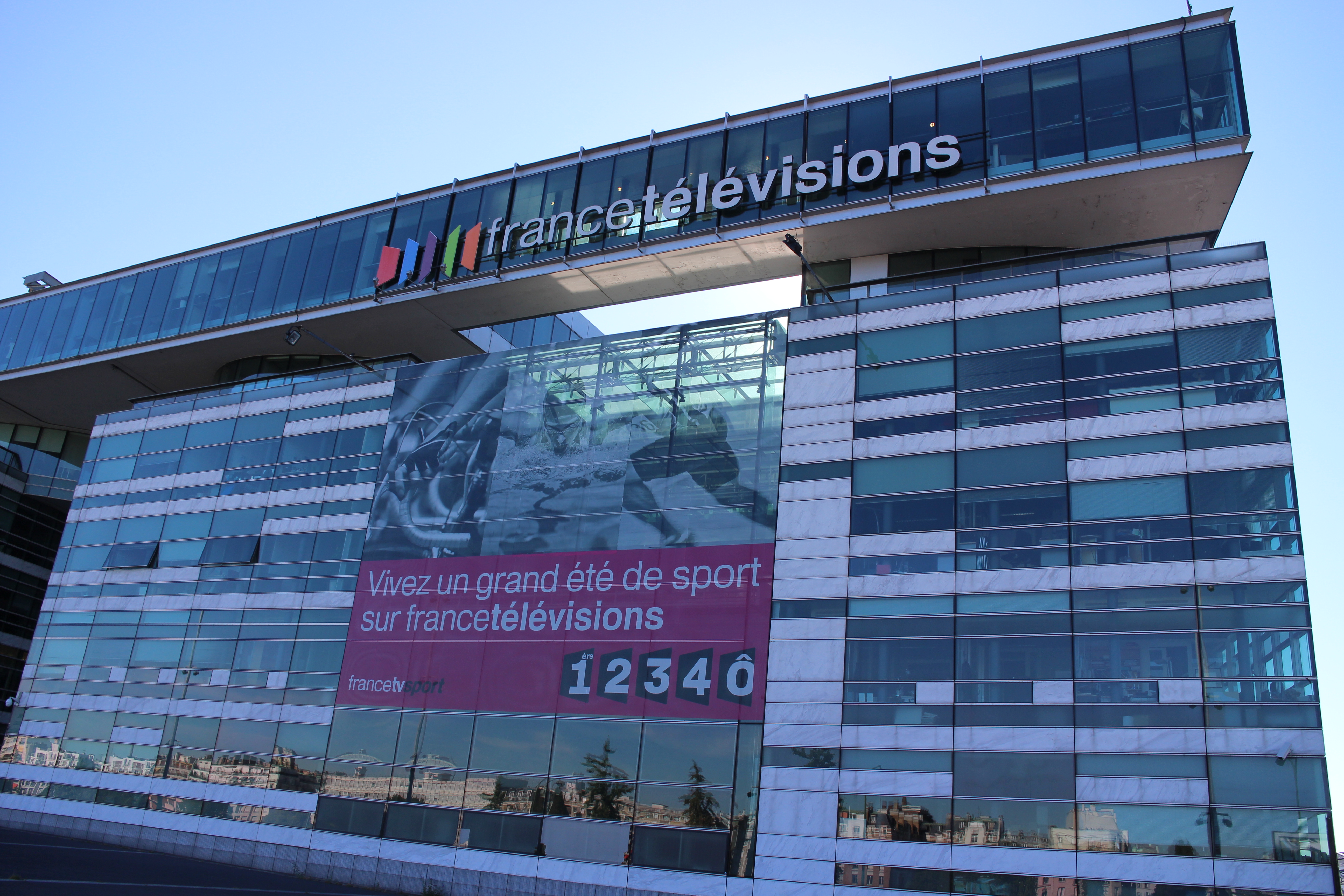
The genesis of French television can be traced back to the experimental broadcasts of the Institut National de l'Audiovisuel (INA) in the 1930s, with regular programming commencing in 1949 under the Radiodiffusion-Télévision Française (RTF). For decades, RTF, and later its successor Télédiffusion de France (TDF) established in 1975, held a strict state monopoly, ensuring centralized control over content and dissemination. This era was characterized by a limited number of channels, primarily the state-run France 2 (formerly Antenne 2) and France 3 (formerly France Régions 3), which served as instruments of national culture and public service. A pivotal moment arrived with the liberalization of the audiovisual sector, paving the way for private broadcasting. This led to the creation of Canal+ in 1984, a premium subscription channel, and the privatization of TF1 in 1987, marking a significant shift towards a more competitive, market-driven television landscape. The subsequent integration of France 4 and France 5 into the public service umbrella under France Télévisions further reshaped the national broadcasting framework.
⚙️ How It Works
French television operates through a dual public-private model. The public service broadcaster, France Télévisions, is funded primarily through a combination of state treasury allocations and advertising revenue, though the latter has been subject to significant debate and regulation, with daytime advertising bans implemented in stages since 2009. Its mandate includes providing diverse programming, from news and current affairs to cultural content and children's shows, across its various channels like France 2, France 3, and France 5. The private sector, dominated by groups like Bouygues (owner of TF1) and Canal+ Group, relies heavily on advertising and subscription fees. Technological infrastructure, historically managed by entities like TDF, now encompasses terrestrial, satellite, cable, and IP-based delivery, enabling a proliferation of channels and on-demand services. Arcom, formerly the CSA, acts as the independent regulatory authority, overseeing broadcasting standards, competition, and media pluralism.
📊 Key Facts & Numbers
France boasts one of the highest television penetration rates in Europe, with approximately 96% of households equipped with at least one television set as of 2023. The public broadcaster, France Télévisions, reaches an estimated 50 million unique viewers monthly across its network. In 2022, advertising revenue for the French TV market was valued at approximately €3.5 billion, with TF1 and M6 capturing the largest shares. The digital transition has seen a significant rise in Connected TV (CTV) usage, with over 20 million French households now having access to smart TV features, facilitating the growth of streaming services. Pay-TV subscriptions, primarily through Canal+ Group and Orange, serve around 15 million households. The average daily viewing time in France hovers around 3 hours and 40 minutes per person, a figure that has seen fluctuations with the rise of digital alternatives.
👥 Key People & Organizations
Key players in the French television ecosystem include France Télévisions, the national public broadcaster, comprising channels like France 2, France 3, and France 5. The private sector is dominated by TF1, owned by the Bouygues conglomerate, and M6, part of the RTL Group. Canal+ Group, a major pay-TV operator, also produces and distributes significant content. Regulatory oversight is provided by Arcom (Autorité de régulation de la communication audiovisuelle et numérique), formerly the CSA. Influential figures in shaping French television include former Culture Ministers like Frédéric Mitterrand, who navigated advertising policy changes, and media moguls such as Martin Bouygues and Xavier Niel, founder of Free and a significant player in the telecom and media convergence. Production houses like Newen Studios are crucial for content creation.
🌍 Cultural Impact & Influence
French television has long been a powerful vehicle for projecting national culture, language, and values, both domestically and internationally. Iconic series like Engrenages (Spiral) and Dix pour cent (Call My Agent!) have achieved global acclaim, showcasing French storytelling and production quality on platforms like Netflix. The strong emphasis on auteur-driven cinema and high-quality drama series on channels like France 2 and Canal+ has cultivated a distinct national aesthetic. Public service broadcasting, in particular, plays a crucial role in supporting French cinema and cultural heritage through co-productions and dedicated programming. However, the increasing dominance of global streaming platforms poses a challenge to the visibility and sustainability of French-produced content, leading to debates about cultural exception and the need for regulatory measures to protect domestic production.
⚡ Current State & Latest Developments
The French television landscape is currently navigating a period of intense digital transformation and heightened competition. France Télévisions has been actively investing in its digital platform, france.tv slash, to attract younger audiences and offer on-demand content. Private broadcasters like TF1 and M6 are also bolstering their own streaming services, MyTF1 and 6play, respectively, to compete with global giants. The ongoing debate around the future of public service funding continues to shape strategic decisions. Furthermore, the consolidation of media groups and the increasing convergence of telecommunications and broadcasting, driven by companies like Orange and Free, are reshaping distribution models and content accessibility. The recent merger discussions between TF1 and M6 highlight the intense pressure for consolidation in the face of digital disruption.
🤔 Controversies & Debates
One of the most persistent controversies surrounding French television revolves around its funding model and the role of advertising. The historical ban on advertising after 8 PM on public channels, implemented in 2009 and later extended, aimed to reduce competition with private broadcasters but also impacted revenue streams, leading to increased reliance on state funding and debates about editorial independence. The proposed abolition of the TV license fee in 2022, while intended to ease household financial burdens, raised significant concerns about the long-term financial stability and operational autonomy of France Télévisions. Another contentious issue is the perceived influence of political power on public broadcasting appointments and editorial lines, a perennial concern in a sector historically linked to the state. The dominance of global streaming platforms also fuels debates about cultural sovereignty and the need for quotas or co-production agreements to ensure the visibility of French content.
🔮 Future Outlook & Predictions
The future of French television is likely to be defined by the ongoing battle for audience attention in an increasingly fragmented digital environment. Expect further investment in high-quality, locally produced original content designed to compete with international streaming services, potentially leading to more co-productions between public and private entities, and even with global players like Netflix. The regulatory framework will continue to adapt, with Arcom likely playing a key role in managing competition, ensuring media pluralism, and potentially implementing new measures to support domestic production. The convergence of broad
Key Facts
- Category
- culture
- Type
- topic