
Contents
Overview
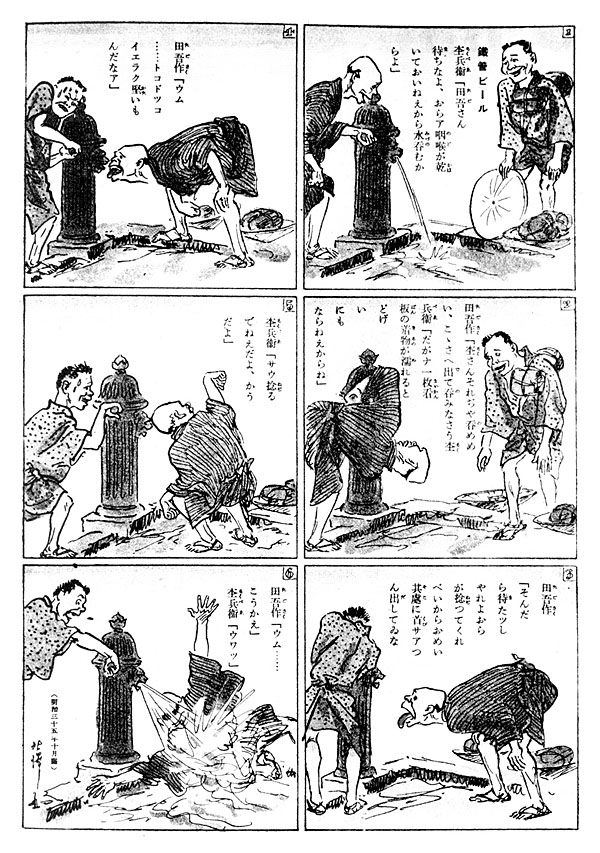
The roots of manga stretch back over a millennium, with precursors found in ancient Japanese art forms like the emakimono (picture scrolls) of the Heian period (794-1185). These scrolls, such as the Tale of Genji scrolls, depicted narratives through sequential imagery, laying a foundational visual language. Modern manga, however, truly began to take shape in the late 19th and early 20th centuries, influenced by Western comic strips and cartooning. Pioneers like Rakuten Kitazawa and Yoshihiro Yoshiya were instrumental in developing this new visual medium. Post-World War II, artists like Osamu Tezuka revolutionized the industry with his cinematic storytelling and distinctive art style, exemplified in works like Astro Boy and Black Jack. His innovations, including large eyes and dynamic panel layouts, became hallmarks of the medium, shaping generations of artists and defining the visual grammar of manga for a global audience.
⚙️ How It Works
Manga is characterized by a unique visual language and narrative structure. Unlike Western comics, which are typically read left-to-right, manga is traditionally read right-to-left, including panel progression, speech bubbles, and page turns. This convention is deeply ingrained in the medium's aesthetic. Artistically, manga often employs expressive character designs, with exaggerated facial features like large eyes to convey emotion, and detailed backgrounds that establish atmosphere and setting. Storytelling relies heavily on panel pacing, utilizing varying panel sizes and layouts to control the reader's rhythm and focus, from rapid-fire action sequences to lingering, contemplative moments. The use of screentones, a technique involving pre-printed patterns applied to artwork, adds depth, texture, and shading, a method popularized by artists and studios like Screentone Techniques.
📊 Key Facts & Numbers
The scale of the manga industry is immense. In 2023, the Japanese manga market was valued at approximately ¥670 billion (over $4.5 billion USD), with over 1.2 billion volumes sold. Digital manga sales now account for a significant portion, with platforms like Shonen Jump+ and eBook Japan reporting record growth. Globally, the manga market is projected to reach $30 billion by 2030, driven by strong international demand. For instance, the Demon Slayer: Kimetsu no Yaiba manga series has sold over 230 million copies worldwide, demonstrating its colossal reach. The average print run for a popular weekly Weekly Shonen Jump serialization can exceed 1 million copies per issue, underscoring the sheer volume of content produced and consumed.
👥 Key People & Organizations
The manga landscape is populated by influential creators, pioneering publishers, and dedicated fan communities. Osamu Tezuka stands as a foundational figure, whose prolific work and innovative storytelling techniques set the standard for the medium. Eiichiro Oda, creator of One Piece, holds the Guinness World Record for the most copies published for a single comic series by a single author, with over 500 million copies sold globally. Publishers like Shueisha, Kodansha, and Shogakukan are titans of the industry, releasing iconic titles and nurturing new talent through their flagship magazines. The Tokyo International Anime Fair and Comiket are crucial events for industry professionals and fans alike, showcasing the latest works and fostering community.
🌍 Cultural Impact & Influence
Manga's influence extends far beyond Japan's borders, profoundly shaping global visual culture. Its distinctive art style, narrative techniques, and genre diversity have inspired countless Western comic artists, animators, and filmmakers. The success of manga-to-anime adaptations, such as Attack on Titan and Naruto, has introduced millions to Japanese storytelling and aesthetics. This cross-cultural pollination is evident in the rise of 'Amerimanga,' a term used to describe Western comics that adopt manga-like styles. Furthermore, manga has influenced video game design, character aesthetics in Western animation, and even fashion trends. The global phenomenon of cosplay, where fans dress as their favorite manga and anime characters, is a testament to its deep cultural penetration.
⚡ Current State & Latest Developments
The manga industry is in a state of dynamic evolution, with digital consumption rapidly overtaking print. Online platforms and subscription services like VIZ Media's Shonen Jump and Crunchyroll Manga are making manga more accessible than ever to international audiences. The rise of webtoons, a digital comic format originating from South Korea but increasingly influenced by manga aesthetics, presents both competition and collaboration opportunities. AI-assisted art tools are beginning to emerge as potential aids for manga artists, sparking discussions about their ethical implications and future role. Major titles continue to achieve unprecedented global sales, with ongoing series like Jujutsu Kaisen and Chainsaw Man dominating social media trends and fan discussions.
🤔 Controversies & Debates
Manga is not without its controversies and debates. Concerns are frequently raised regarding the demanding work conditions for manga artists, often characterized by long hours and tight deadlines, a phenomenon sometimes referred to as the 'manga artist labor conditions' issue. The portrayal of certain themes, including violence, sexuality, and gender roles, has also drawn criticism and calls for more responsible representation. Debates also surround the increasing commercialization of the medium and the potential impact of AI-generated art on the livelihoods of human creators. Furthermore, the cultural appropriation of manga aesthetics by Western artists, while sometimes seen as a form of homage, can also be a point of contention, raising questions about authenticity and attribution.
🔮 Future Outlook & Predictions
The future of manga appears increasingly globalized and digitized. Expect continued growth in international markets, with more localized adaptations and translations catering to diverse tastes. The integration of interactive elements and multimedia within digital manga could become more prevalent, blurring the lines between comics, animation, and gaming. AI's role in the creative process will likely expand, potentially leading to new artistic styles and more efficient production workflows, though this will undoubtedly be accompanied by ongoing ethical debates. The enduring appeal of established franchises like Dragon Ball and Sailor Moon suggests that legacy titles will continue to be significant, while emerging artists will push the boundaries of the medium with innovative storytelling and visual techniques.
💡 Practical Applications
Manga's influence extends into various practical applications beyond pure entertainment. Its narrative structures and visual storytelling techniques are studied in fields like educational technology and UX design for their effectiveness in conveying complex information. The character designs and world-building found in manga have inspired countless video games, from Final Fantasy to Persona, influencing character archetypes and visual aesthetics. Furthermore, manga's popularity has spurred the growth of related industries, including anime production, merchandise manufacturing, and international publishing, creating significant economic opportunities. The study of manga also serves as a valuable tool for understanding Japanese culture, societal values, and historical contexts.
Key Facts
- Category
- culture
- Type
- topic