
Contents
- 🎯 What is Ableism? A Practical Definition
- 📜 Historical Roots of Ableism
- ⚖️ How Ableism Manifests: Everyday Examples
- 💡 Dismantling Ableism: Strategies for Change
- 📚 Key Concepts & Terminology
- 🗣️ Voices from the Disability Community
- 🏛️ Legal Frameworks & Advocacy
- 🚀 The Future of Disability Inclusion
- Frequently Asked Questions
- Related Topics
Overview
Ableism is the systemic discrimination and prejudice against people with disabilities, rooted in the belief that non-disabled bodies and minds are superior. It manifests in various forms, from overt exclusion and inaccessible infrastructure to subtle microaggressions and internalized ableism. Understanding ableism requires acknowledging its historical roots in eugenics and medical models of disability, and recognizing its pervasive influence on societal structures, language, and attitudes. This guide provides actionable insights for identifying ableist practices, challenging discriminatory norms, and fostering inclusive environments. By actively dismantling ableism, we can move towards a society that values the full spectrum of human experience and ensures equitable participation for all.
🎯 What is Ableism? A Practical Definition
Ableism is the systemic discrimination and social prejudice against individuals with physical, mental, intellectual, or sensory disabilities. It operates on the assumption that non-disabled bodies and minds are the default and superior standard, leading to the devaluation and marginalization of disabled people. This prejudice often defines individuals solely by their disability, assigning them predetermined limitations or capabilities, and perpetuating harmful stereotypes. Understanding ableism is the first step toward dismantling the barriers that prevent full participation and equality for disabled individuals in all facets of life, from employment to social interactions. It's about recognizing that disability is a natural aspect of human diversity, not a deficit.
📜 Historical Roots of Ableism
The historical roots of ableism are deeply embedded in societal structures, often intertwined with eugenics movements and institutionalization. In the late 19th and early 20th centuries, policies aimed at 'improving' the human race led to the forced sterilization and segregation of disabled individuals, notably documented in the infamous Buck v. Bell Supreme Court case in 1927. This era cemented the idea of disabled people as 'unfit' or burdens on society, a legacy that continues to influence contemporary attitudes and policies. Examining this history is crucial for understanding how deeply ingrained ableist ideologies are and why they persist despite progress in disability rights.
⚖️ How Ableism Manifests: Everyday Examples
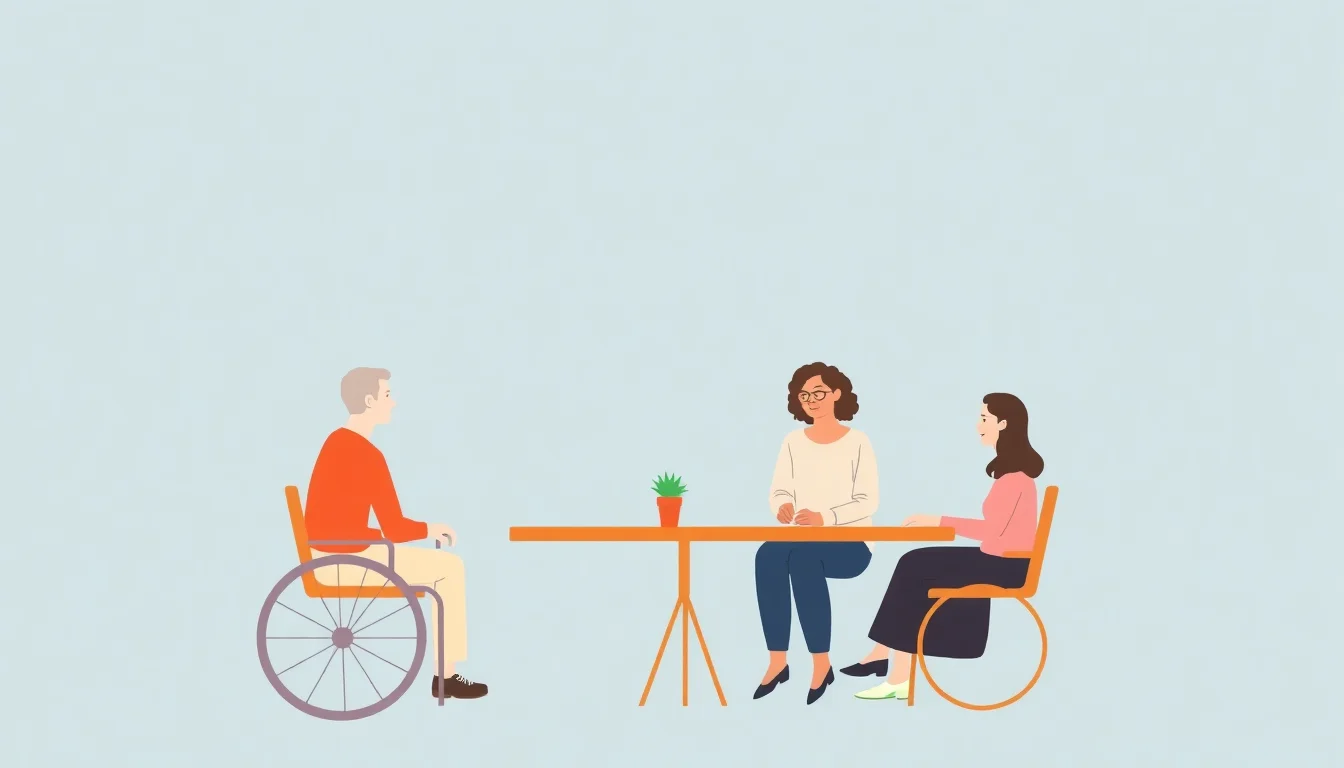
Ableism isn't always overt; it often manifests in subtle, everyday ways that can be easily overlooked by those who aren't targeted. This includes inaccessible physical environments like buildings without ramps or elevators, digital spaces that aren't screen-reader friendly, or communication barriers in public services. It also appears in language that infantilizes or pathologizes disability, such as using terms like 'crippled' or 'insane' pejoratively. Assumptions about a disabled person's capabilities, such as assuming someone in a wheelchair cannot hold a demanding job or that a deaf person cannot enjoy music, are also potent forms of ableism. Recognizing these microaggressions is vital for fostering genuine inclusion.
💡 Dismantling Ableism: Strategies for Change
Dismantling ableism requires a multi-pronged approach involving individual awareness, systemic change, and community empowerment. On an individual level, it means challenging one's own biases, using respectful language, and actively listening to disabled voices. Systemically, it involves advocating for universal design principles in architecture and technology, implementing inclusive hiring practices, and ensuring equitable access to education and healthcare. Community empowerment means supporting disability rights organizations and amplifying the voices of disabled activists who are at the forefront of this movement. True change requires both internal reflection and external action.
📚 Key Concepts & Terminology
Key concepts in understanding ableism include 'disability culture,' which celebrates the unique experiences and perspectives of disabled people, and 'intersectionality,' recognizing how disability intersects with other identities like race, gender, and class to create unique experiences of oppression. 'Person-first language' (e.g., 'person with a disability') is often preferred, though some prefer 'identity-first language' (e.g., 'disabled person') as a reclamation of identity. 'Inspiration porn' refers to the objectification of disabled people as objects of inspiration for non-disabled individuals, often reinforcing pity or admiration rather than respect for their inherent worth. Understanding these terms provides a vocabulary for discussing and addressing ableist issues.
🗣️ Voices from the Disability Community
The disability community offers invaluable insights into the lived experience of ableism and the path forward. Activists like Haben Girma, the first deafblind graduate of Harvard Law, advocate for digital accessibility and legal rights. Writers like Alice Wong, founder of the Disability Visibility Project, curate powerful narratives that challenge societal perceptions. Their work consistently highlights the need for disabled people to lead the conversation about their own lives and rights, emphasizing self-advocacy and collective action. Listening to and centering these voices is paramount for any genuine effort to combat ableism.
🏛️ Legal Frameworks & Advocacy
Legal frameworks play a critical role in combating ableism, though their effectiveness is often debated. The Americans with Disabilities Act (ADA) in the United States, enacted in 1990, prohibits discrimination based on disability in employment, public services, and public accommodations. Similar legislation exists globally, such as the UN Convention on the Rights of Persons with Disabilities. However, enforcement can be challenging, and loopholes often allow ableist practices to persist. Ongoing advocacy is necessary to ensure these laws are robustly implemented and to push for stronger protections and greater accountability.
🚀 The Future of Disability Inclusion
The future of disability inclusion hinges on a fundamental shift from a medical model of disability, which views it as a problem to be fixed, to a social model, which recognizes that societal barriers are the primary source of disability-related disadvantage. This means moving beyond mere compliance with accessibility laws to proactively designing inclusive environments and systems. It involves fostering a culture where disability is normalized and celebrated, and where disabled individuals have equal opportunities to thrive. The ultimate goal is a society where the concept of 'normal' is expanded to encompass the full spectrum of human diversity, rendering ableism obsolete.
Key Facts
- Year
- 1981
- Origin
- The term 'ableism' was first coined by sociologist Dr. Michael Oliver in his 1981 work, 'Social Work, Disabled People and Disabled People's Self-Help Organizations'.
- Category
- Social Justice & Human Rights
- Type
- Concept/Social Issue
Frequently Asked Questions
What's the difference between the medical model and the social model of disability?
The medical model views disability as an individual problem, a defect or illness that needs to be cured or managed by medical professionals. The social model, conversely, posits that disability arises from societal barriers and attitudes that exclude disabled people. It argues that 'disability' is created by society's failure to accommodate diverse bodies and minds, rather than an inherent flaw in the individual. This distinction is crucial for understanding how to approach solutions for disability inclusion.
Is it okay to use the term 'disabled person'?
Usage varies within the disability community. Many prefer 'identity-first language,' such as 'disabled person,' as it emphasizes disability as an integral part of identity and rejects the notion that it's something to be overcome. Others prefer 'person-first language,' like 'person with a disability,' to highlight the individual before their disability. It's generally best to ask individuals their preference or to use identity-first language unless otherwise indicated, as it's increasingly favored by many disability advocates.
How can I be a better ally to disabled people?
Becoming a better ally involves listening actively to disabled individuals, respecting their autonomy and expertise on their own lives, and challenging ableist attitudes and behaviors when you encounter them. Educate yourself about disability issues, advocate for accessibility in your personal and professional spheres, and support disability-led organizations. Avoid making assumptions about what disabled people need or want, and be mindful of your language and actions.
What is 'inspiration porn' and why is it harmful?
'Inspiration porn' refers to content that portrays disabled people as inspirational simply for living their lives or achieving ordinary things, often for the benefit of non-disabled audiences. It's harmful because it objectifies disabled individuals, reduces their humanity to their disability, and reinforces the idea that their lives are inherently tragic or pitiable. It distracts from systemic issues of discrimination and inequality that disabled people face.
How does ableism affect employment?
Ableism in employment manifests through discriminatory hiring practices, inaccessible workplaces, lack of reasonable accommodations, and assumptions about a disabled person's productivity or capabilities. This leads to higher unemployment rates and underemployment among disabled individuals, despite their qualifications and desire to work. Addressing ableist employment practices requires robust anti-discrimination laws, inclusive recruitment strategies, and a commitment to creating truly accessible and supportive work environments.
Are there resources for learning more about dismantling ableism?
Yes, numerous resources are available. Organizations like the Disability Visibility Project, ASAN, and Rooted in Rights offer extensive educational materials, advocacy campaigns, and personal narratives. Books such as 'Disability Visibility: First-Person Stories from the Twenty-First Century' edited by Alice Wong, and academic works on disability studies provide deeper insights. Following disability activists on social media is also a powerful way to learn directly from the community.