
Contents
Overview
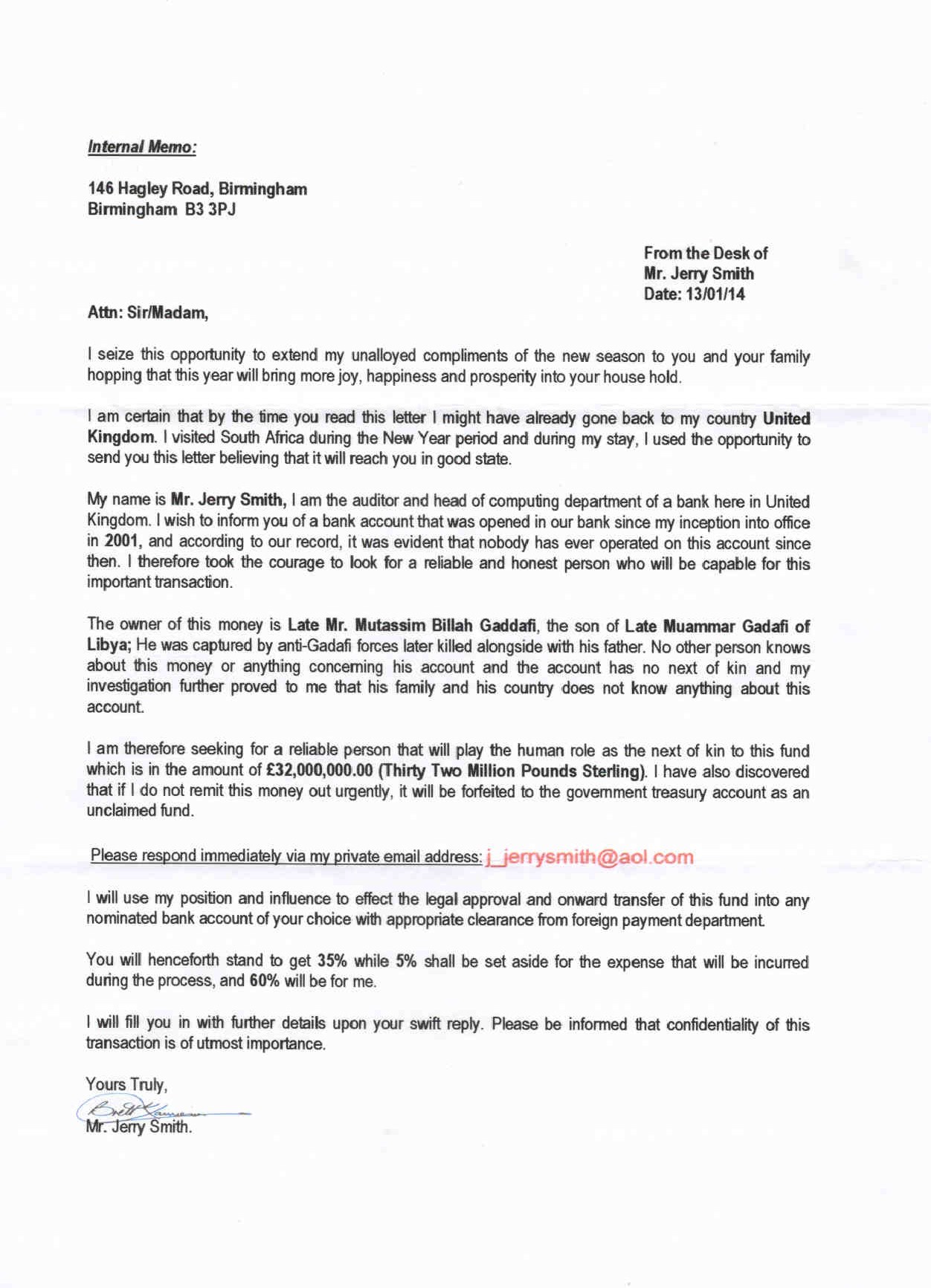
Advance fee fraud, often recognized by its infamous 'Nigerian prince' or '419' variant, is a deceptive scheme where perpetrators promise victims a substantial reward—be it a lottery win, inheritance, investment opportunity, or lucrative contract—in exchange for a small upfront payment. This initial fee is purportedly for processing, taxes, or administrative costs, but once paid, the fraudster either invents new, escalating fees or simply vanishes, leaving the victim with nothing but a depleted bank account. The Federal Bureau of Investigation (FBI) defines it as a transaction where a victim pays money anticipating something of greater value, only to receive little or nothing in return. Originating in various forms across centuries and cultures, this scam has found fertile ground in the digital age, evolving from postal mail to email and social media, demonstrating a persistent human vulnerability to promises of easy wealth. Its global reach and adaptability make it a significant challenge for law enforcement and a constant threat to unsuspecting individuals worldwide.
🎵 Origins & History
The roots of advance fee fraud stretch back centuries, predating the digital age by a significant margin. Advance fee fraud has roots stretching back centuries. One of its earliest documented forms is the 'Spanish Prisoner' scam, which involved promising victims a share of a large sum of money hidden by a fictitious prisoner, in exchange for a small payment to bribe a guard or facilitate the escape. This foundational con relied on exploiting the victim's greed and desire for a quick fortune. By the 20th century, variations appeared in postal mail. The term '419 scam' gained prominence in the late 20th century, specifically referencing Section 419 of the Nigerian Criminal Code, which deals with fraud. While originating in Nigeria, this particular iteration quickly spread globally via fax and later, email, becoming a widely recognized archetype of advance fee fraud.
⚙️ How It Works
At its core, advance fee fraud operates on a simple psychological principle: the promise of disproportionately high returns for minimal effort or investment. The scammer initiates contact, often through unsolicited emails, social media messages, or even fake websites, presenting a compelling but fictitious opportunity. This could be a lost inheritance from a distant relative, a massive lottery win, a lucrative business deal requiring a small capital injection, or a government grant. The perpetrator then requests an upfront payment, framing it as a necessary fee for processing, taxes, legal expenses, or to secure the larger sum. Once the victim remits the initial payment, the scammer typically invents further obstacles and escalating fees, creating a continuous cycle of deception. The victim's hope and reluctance to admit they've been duped often prevent them from cutting their losses, leading to progressively larger financial outlays until the scammer disappears entirely, or the victim exhausts their resources.
📊 Key Facts & Numbers
Globally, advance fee fraud is a multi-billion dollar industry. The 'Nigerian prince' scam, a specific subtype, accounts for a significant portion of these losses. Law enforcement agencies worldwide, including Interpol and Europol, actively track and prosecute these schemes, but the sheer volume and evolving tactics make eradication incredibly difficult. The prevalence of online payment systems like PayPal, Venmo, and Western Union has also unfortunately facilitated these transactions for fraudsters.
👥 Key People & Organizations
While advance fee fraud is a tactic rather than a single organization, certain individuals and groups have become notorious for their involvement. In the modern era, the 'Nigerian prince' scam has been linked to numerous individuals and syndicates operating primarily from West Africa, particularly Nigeria. Law enforcement agencies like the Federal Bureau of Investigation and the International Criminal Police Organization are key players in combating these crimes, working to identify and apprehend perpetrators. Organizations such as the Anti-Phishing Working Group also play a crucial role in raising awareness and developing technical defenses against these fraudulent communications. The Nigerian National செலுத்த Bureau (NNPC) and other government entities are often impersonated by scammers to lend credibility to their schemes.
🌍 Cultural Impact & Influence
Advance fee fraud has permeated global culture, becoming a widely recognized trope in literature, film, and everyday conversation. The 'Nigerian prince' scam, in particular, has achieved near-mythical status, often depicted humorously in media as a classic example of online deception. Its cultural resonance is so strong that the term '419' itself has become shorthand for a scam. This widespread recognition, however, also presents a challenge: while many are aware of the scam, the sheer volume of sophisticated variations means that even the informed can fall victim. The scam has influenced the development of cybersecurity measures and public awareness campaigns aimed at educating individuals about online safety. It has also spurred academic research into the psychology of deception and victimology, exploring why individuals, despite warnings, remain susceptible to these fraudulent promises. The proliferation of such scams has also led to increased scrutiny of international financial transactions and the platforms that facilitate them, such as Western Union and various cryptocurrency exchanges.
⚡ Current State & Latest Developments
Despite ongoing efforts by law enforcement and cybersecurity firms, advance fee fraud remains a persistent and evolving threat. Scammers are increasingly sophisticated, leveraging artificial intelligence to craft more convincing phishing emails and fake websites, and utilizing cryptocurrencies like Bitcoin to obscure the trail of illicit funds. Social media platforms, including Facebook and Instagram, are frequently used to target victims through fake investment schemes and romance scams that often escalate to advance fee demands. In response, agencies like the Consumer Financial Protection Bureau (CFPB) are intensifying public education initiatives, while tech companies are investing more in AI-driven fraud detection. The global nature of the internet means that perpetrators can operate from anywhere, making international cooperation among law enforcement agencies more critical than ever.
🤔 Controversies & Debates
The primary controversy surrounding advance fee fraud centers on the difficulty of prosecution and the ethical implications of victim blaming. While many victims are aware of the existence of scams, the sophisticated psychological manipulation employed by fraudsters can ensnare even cautious individuals. This leads to debates about the extent to which victims should be held responsible versus the responsibility of platforms and financial institutions to prevent such activities. Another point of contention is the role of international cooperation; while agencies like Europol and the FBI collaborate, differing legal frameworks and resources across countries can hinder effective prosecution. Furthermore, the perpetuation of stereotypes, particularly concerning the 'Nigerian prince' scam, has led to accusations of xenophobia and has negatively impacted legitimate businesses and individuals from affected regions. The debate also touches on the effectiveness of current anti-fraud measures, with critics arguing that they are often reactive rather than proactive.
🔮 Future Outlook & Predictions
The future of advance fee fraud is likely to be characterized by an escalating arms race between fraudsters and defenders. The increasing sophistication of AI will enable scammers to generate hyper-personalized phishing attacks and deepfake media, making them even harder to detect. We can expect to see more elaborate impersonation schemes, targeting individuals through fake customer service interactions on platforms like WhatsApp or through deepfake voice calls. The rise of the metaverse and other immersive digital environments may also present new avenues for advance fee fraud, with virtual assets and land being used as bait. On the defensive side, advancements in AI-powered fraud detection, blockchain analytics for tracking illicit cryptocurrency transactions, and enhanced international data sharing amon
💡 Practical Applications
Advance fee fraud is a prevalent form of financial crime that has led to the development of various countermeasures and educational initiatives. Cybersecurity firms and law enforcement agencies continuously work to identify and disrupt these schemes. Public awareness campaigns are crucial in educating individuals about the tactics used by fraudsters and encouraging them to report suspicious activities. The evolution of digital payment systems and online communication channels necessitates ongoing adaptation of these protective measures. Understanding the psychological underpinnings of this scam also informs strategies for prevention and victim support.
Key Facts
- Category
- scams
- Type
- topic