
Contents
Overview
Advanced energetic practices represent a sophisticated engagement with the subtle forces that underpin reality, extending far beyond conventional physical or mental disciplines. These practices, often rooted in ancient traditions like Taoist alchemy, Buddhist tantra, and Yogic philosophy, focus on manipulating and cultivating vital energies (often termed qi, prana, or life force) to achieve profound states of consciousness, physical vitality, and spiritual realization. Unlike basic mindfulness or physical exercise, advanced techniques involve intricate visualizations, breathwork (pranayama), sound manipulation (mantra), and sometimes directed intention or will. The goal is not merely stress reduction but a fundamental re-patterning of one's energetic signature, influencing everything from health and longevity to psychic abilities and interdimensional awareness. These practices are gaining traction in contemporary wellness circles, though often stripped of their deeper philosophical context, leading to a wide spectrum of efficacy and understanding.
🎵 Origins & History
In ancient China, practitioners of Taoist alchemy developed complex systems of internal alchemy (Neidan) aimed at refining vital energies. Simultaneously, in India, Yogic traditions were refining prana manipulation through advanced pranayama techniques and the understanding of chakras and nadis, as detailed in texts like the Hatha Yoga Pradipika. The late 19th and early 20th centuries saw a resurgence and reinterpretation of these practices in the West, often through figures like Helena Blavatsky and the Theosophical Society, which introduced Eastern esoteric concepts to a broader audience, though often in a fragmented or syncretic form.
⚙️ How It Works
At its core, advanced energetic practice involves the conscious interaction with and manipulation of subtle energy fields that are believed to permeate and animate all existence. This is typically achieved through a multi-pronged approach. Firstly, breathwork (pranayama) is paramount, with specific patterns designed to invigorate, purify, or direct qi and prana through the body's energetic channels. Secondly, visualization and meditation are employed to mentally construct and inhabit energetic forms, pathways, or states of being, often involving intricate geometric patterns (like mandalas) or archetypal imagery. Thirdly, sound, in the form of mantras or specific tonal frequencies, is used to resonate with and alter energetic states. Finally, intention and will act as the directing force, focusing the practitioner's consciousness to achieve specific outcomes, whether it's healing, enhanced perception, or spiritual transformation. The efficacy hinges on the practitioner's ability to achieve deep states of concentration and energetic sensitivity, often requiring years of dedicated practice under qualified guidance.
📊 Key Facts & Numbers
While precise global statistics on practitioners of advanced energetic practices are scarce, studies on meditation have shown measurable changes in brainwave activity, with advanced practitioners exhibiting distinct patterns associated with heightened awareness and reduced stress, sometimes achieving alpha and theta wave dominance for extended periods. Research into acupuncture and Traditional Chinese Medicine, which map and manipulate meridian energy pathways, indicates that a significant portion of the world's population has access to these therapies. The global wellness market, which often incorporates elements of energetic practices, reportedly indicates significant financial investment in practices that touch upon subtle energies.
👥 Key People & Organizations
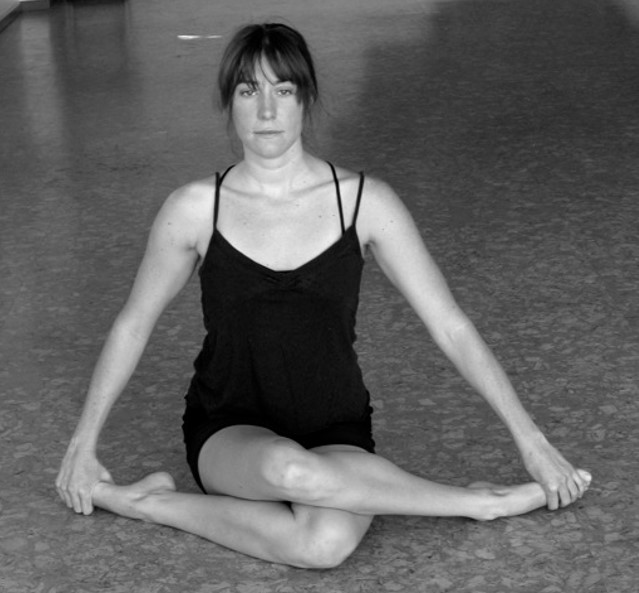
Pioneers in the field are often figures whose names are more recognized within esoteric circles than mainstream academia. Paulie Zink is credited with founding Yin Yoga, a practice that emphasizes holding poses to stimulate connective tissues and subtle energy channels, laying groundwork for modern energetic yoga. Dr. Mikao Usui is the founder of Reiki in early 20th century Japan, systematizing a hands-on energy healing technique that has since spread worldwide. Organizations like the International Association of Yoga Therapists and various Qigong associations provide frameworks for training and certification, though the 'advanced' nature of many practices often transcends formal institutionalization, relying more on lineage transmission. Figures like Dr. Joe Dispenza have popularized neuroscientific approaches to energetic transformation, bridging ancient concepts with modern research.
🌍 Cultural Impact & Influence
The influence of advanced energetic practices is subtly woven into the fabric of global culture, impacting everything from wellness trends to artistic expression. Yin Yoga, with its focus on connective tissue and meridians, has become a mainstream yoga style, influencing millions to consider the body's energetic dimension. The concept of auras and chakras now appears in popular media, fashion, and marketing, indicating a broader cultural awareness, albeit often simplified. This diffusion, however, risks diluting the profound transformative potential of these practices into mere self-help tools or aesthetic trends.
⚡ Current State & Latest Developments
The current landscape of advanced energetic practices is characterized by both increasing accessibility and significant fragmentation. Online platforms and YouTube channels now offer a vast array of courses and tutorials, from Qigong and Reiki to advanced Tantric techniques, making learning more convenient than ever. However, this digital proliferation also raises concerns about the dilution of authentic lineage transmission and the potential for unqualified instructors to offer potentially potent practices. In 2023-2024, there's a notable surge in interest in biohacking and consciousness exploration, with many individuals seeking to integrate advanced energetic techniques into their personal development regimes. Simultaneously, scientific research continues to explore the physiological and neurological effects of practices like meditation and breathwork, with studies in neuroscience and psychology increasingly validating some of their purported benefits, albeit often through a reductionist lens.
🤔 Controversies & Debates
The most significant controversy surrounding advanced energetic practices lies in their often-unverifiable claims and the potential for exploitation. Critics, particularly within the scientific skeptical community, argue that concepts like qi and auras lack empirical evidence and are rooted in pseudoscience, pointing to the placebo effect as the primary driver of perceived benefits. The lack of standardized training and regulation in many of these fields, especially for advanced Tantric or alchemical practices, creates a fertile ground for charlatans and cult-like organizations to prey on vulnerable individuals, leading to financial or psychological harm. Debates also arise regarding the ethical implications of energy healing, particularly when it's presented as a substitute for conventional medical treatment, a concern highlighted by organizations like the National Council Against Health Fraud.
Key Facts
- Category
- vibes
- Type
- topic