
Contents
Overview
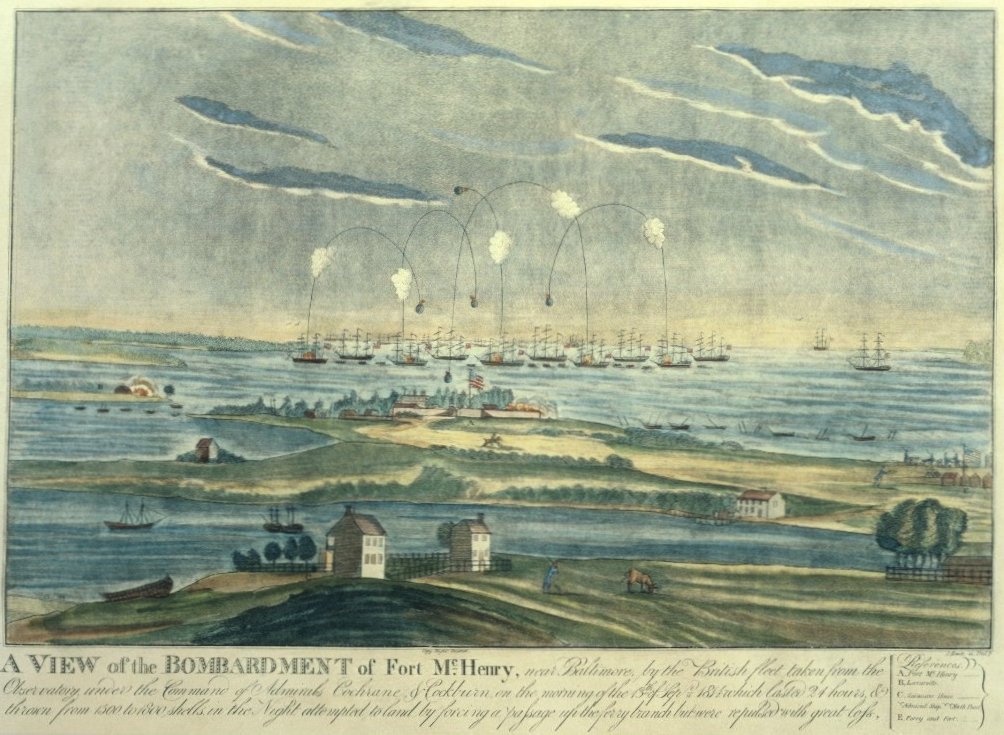
The genesis of American patriotic music is deeply intertwined with the nation's founding and subsequent struggles. Early colonial songs often reflected loyalty to the British Crown, but as revolutionary sentiment grew, music became a potent tool for dissent and unity. The American Revolution birthed anthems like "Yankee Doodle," a tune with disputed origins but firmly adopted as a symbol of American defiance. "The Star-Spangled Banner" was initially a poem set to an existing British drinking song, which would later become the national anthem. The Civil War generated a vast body of music for both the Union and Confederacy, including "Battle Hymn of the Republic" (Julia Ward Howe) and "Dixie" (Daniel Emmett), each embodying distinct regional identities and ideologies. Later conflicts, such as the Spanish-American War and World War I, further expanded the canon with songs like "Over There" (George M. Cohan), designed to boost morale and enlistment.
⚙️ How It Works
American patriotic music functions through a combination of lyrical content, musical arrangement, and historical context. Lyrically, these songs often employ themes of liberty, sacrifice, heroism, and national destiny, frequently referencing key historical events, figures, or symbols like the flag, the eagle, or iconic landmarks. Musically, they tend to feature strong, memorable melodies, often in major keys, with martial rhythms for marches and anthems, or more solemn, hymn-like structures for reflective pieces. Composers and lyricists understood how to craft music that resonated emotionally with a broad audience. The performance context is also crucial; these songs gain power when sung collectively at national holidays, military ceremonies, sporting events, or during moments of national crisis, transforming them from mere tunes into shared expressions of identity.
📊 Key Facts & Numbers
The reach of American patriotic music is significant. The Civil War produced hundreds of songs, with "Battle Hymn of the Republic" being a prominent example of the era's prolific musical output. During World War I, George M. Cohan's "Over There" became a cultural phenomenon, achieving massive popularity through sheet music and record sales. The Library of Congress houses a vast collection of recordings and manuscripts related to American patriotic music, underscoring its historical footprint.
👥 Key People & Organizations
Key figures in American patriotic music span composers, lyricists, and performers. Julia Ward Howe wrote the lyrics for "Battle Hymn of the Republic." George M. Cohan, a prolific songwriter and entertainer, is credited with "Over There" and "You're a Grand Old Flag." Irving Berlin, a Russian-born American composer, wrote "God Bless America." Woody Guthrie, a folk musician, offered a more populist and sometimes critical perspective with songs like "This Land Is Your Land." Organizations like the U.S. military bands, the Library of Congress, and the National Endowment for the Arts play significant roles in preserving and promoting this musical heritage.
🌍 Cultural Impact & Influence
American patriotic music has profoundly shaped national identity and cultural discourse. It has served as a powerful tool for social cohesion, particularly during times of war and national celebration, fostering a sense of shared experience and collective purpose. Songs like "America the Beautiful" (with lyrics by Katharine Lee Bates) offer a more inclusive vision of the nation, celebrating its natural beauty and diverse populace. The music has also been a vehicle for protest and critique, as seen in folk songs questioning war or social injustice, demonstrating that patriotism can encompass dissent. Furthermore, patriotic themes have permeated other artistic forms, influencing Hollywood scores, political rhetoric, and even advertising jingles, embedding these musical sentiments deep within the American cultural fabric.
⚡ Current State & Latest Developments
In the contemporary landscape, American patriotic music continues to evolve, albeit with shifting reception. While traditional anthems like "The Star-Spangled Banner" and "God Bless America" remain staples at official events and sporting contests, their performance and interpretation are increasingly scrutinized. Newer generations of artists sometimes engage with patriotic themes in more complex or critical ways, challenging established narratives or offering alternative visions of American identity. The rise of digital platforms has also democratized the creation and dissemination of patriotic music, leading to a wider array of styles and perspectives, from overtly nationalistic anthems to subtle, introspective pieces.
🤔 Controversies & Debates
The very definition and expression of American patriotism are subjects of ongoing debate, and its music is no exception. Critics sometimes argue that traditional patriotic songs can be overly jingoistic, exclusionary, or fail to acknowledge the nation's historical injustices. The performance of "The Star-Spangled Banner," particularly the second verse which references "hirelings and slaves," has drawn criticism for its historical context. Conversely, proponents argue that these songs represent enduring ideals of freedom and unity, and that their historical context should be understood. The inclusion of diverse voices and perspectives in patriotic music, such as Woody Guthrie's "This Land Is Your Land," highlights the tension between a singular national narrative and a more pluralistic understanding of American identity.
🔮 Future Outlook & Predictions
The future of American patriotic music will likely be shaped by ongoing societal shifts and technological advancements. We can anticipate a continued diversification of patriotic expression, with artists from various backgrounds offering new interpretations and challenging existing norms. The influence of social media and online platforms will likely grow, enabling the rapid spread of new patriotic songs and fostering niche communities around specific themes or artists. There's also potential for a resurgence of interest in historical patriotic music, perhaps recontextualized for contemporary audiences through innovative arrangements or collaborations.
💡 Practical Applications
American patriotic music finds practical application across numerous domains. It is integral to military ceremonies, serving to honor service members, commemorate fallen heroes, and instill pride in the armed forces. National holidays like the Fourth of July, Memorial Day, and Veterans Day are marked by performances of these anthems, reinforcing national unity and remembrance. In educational settings, these songs are used to teach American history and civics, connecting students to foundational ideals and historical events. Furthermore, patriotic music often features prominently in political rallies, public service announcements, and even sporting events, where it is employed to evoke a sense of shared identity and collective spirit.
Key Facts
- Category
- culture
- Type
- topic