
Contents
Overview
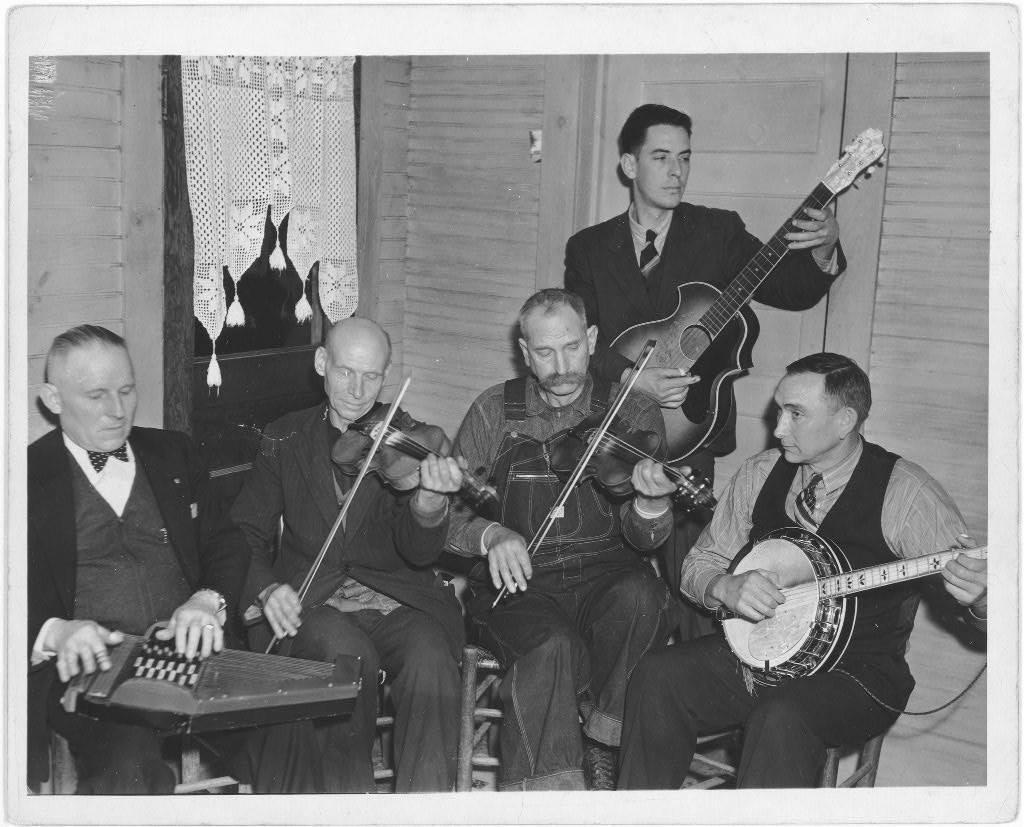
The genesis of Appalachian music archives is intrinsically linked to the growing recognition of the region's unique musical traditions in the early to mid-20th century. While informal collections of sheet music and oral histories existed for decades, the formalization of archival efforts gained momentum with the American folk music revival of the 1950s and 1960s. Pioneers recognized the need to document vanishing traditions. Early efforts often involved field recordings made by folklorists and ethnomusicologists, capturing performances in remote communities. Institutions began actively acquiring materials, laying the groundwork for the comprehensive archives that exist today, preserving everything from early 78s to the field recordings of Alan Lomax.
⚙️ How It Works
Appalachian music archives function through a multi-pronged approach to preservation and access. Core activities include the acquisition of physical and digital materials, such as vinyl records, reel-to-reel tapes, manuscripts, photographs, and oral history interviews. These materials undergo rigorous cataloging, digitization, and preservation treatments to ensure their long-term survival. Access is typically provided through on-site research facilities, online databases, and curated exhibitions. Many archives also engage in outreach, offering educational programs, workshops, and public performances that highlight the music and its cultural context, often collaborating with organizations like the Bluegrass Hall of Fame and Country Music Hall of Fame.
📊 Key Facts & Numbers
The scale of Appalachian music archives is substantial, with many holding collections numbering in the tens of thousands of items. The Smithsonian Institution's archives contain vast collections related to American folk music, including significant Appalachian holdings. Digitization efforts are ongoing, with many archives actively digitizing their analog collections, making them available through online portals. The economic impact is also notable, with these archives supporting research that contributes to tourism and cultural heritage industries valued in the millions of dollars regionally.
👥 Key People & Organizations
Several key individuals and institutions have been instrumental in establishing and maintaining Appalachian music archives. Ethnomusicologists like John Cohen and Mike Seeger made extensive field recordings that are now housed in major archives. Institutions such as the University of Chicago's American Folklore Society and the University of North Carolina at Chapel Hill's Southern Folklife Collection are critical hubs. More recently, digital initiatives by organizations like the Digital Library of Appalachia have expanded access.
🌍 Cultural Impact & Influence
Appalachian music archives have profoundly influenced the understanding and perpetuation of American musical heritage. By preserving the works of seminal artists like the Carter Family, Clarence Ashley, and Dock Boggs, these archives provide the raw material for scholars, musicians, and the public to study the lineage of genres such as old-time music, bluegrass, and country music. They have fueled numerous academic studies and documentaries, inspiring generations of musicians, from Bob Dylan to contemporary Americana artists.
⚡ Current State & Latest Developments
The current state of Appalachian music archives is characterized by a significant push towards digital accessibility and broader community engagement. Many institutions are actively digitizing their analog collections, making them available through online portals and platforms like the Digital Public Library of America. There's also a growing emphasis on collaborative projects, with archives working together to share resources and create unified databases. Emerging trends include the incorporation of new media formats, such as video and social media content, and a greater focus on participatory archiving, where community members contribute their own recordings and stories. The Appalachian Studies Association continues to foster dialogue and collaboration among these institutions.
🤔 Controversies & Debates
There are ongoing discussions about how archives can more effectively represent the diversity within Appalachian music, moving beyond a singular, often romanticized, narrative to include a wider range of genres, voices, and experiences, including those from African American and immigrant communities.
🔮 Future Outlook & Predictions
Appalachian music archives have numerous practical applications beyond academic research. They serve as invaluable resources for musicians seeking inspiration, historical context, or authentic arrangements of traditional tunes. Educators utilize archival materials to develop curricula and teach about American history and culture. Genealogists can uncover family connections through recorded interviews and historical documents. Furthermore, these archives support the work of documentary filmmakers, authors, and cultural heritage organizations aiming to promote and preserve the region's unique identity. The Appalachian Regional Commission often draws on archival data to inform its cultural preservation initiatives.
💡 Practical Applications
For those seeking to explore the depths of Appalachian musical heritage, several related topics offer further avenues of discovery. Understanding the historical context requires delving into the history of Appalachia itself, including its settlement patterns and industrial development. Exploring the instruments central to the music, such as the banjo, fiddle, and Appalachian dulcimer, provides insight into the sonic landscape. The broader field of ethnomusicology offers theoretical frameworks for understanding these musical traditions.
Key Facts
- Category
- culture
- Type
- topic