
Contents
Overview
The name 'Ardennes' evokes a sense of ancient forests and strategic importance, a region whose identity is deeply intertwined with both its natural landscape and the tumultuous events that have unfolded within it. Historically, the area was part of the larger Gallia Belgica, inhabited by Celtic tribes before Roman conquest. Its dense forests provided both refuge and a formidable natural defense, influencing settlement patterns and territorial disputes for centuries. The region's strategic value was amplified by its position as a natural corridor, making it a coveted prize for various European powers. From the medieval duchies to the modern nation-states, control over the Ardennes has been a recurring theme in European geopolitics, shaping its cultural fabric and leaving an indelible mark on its collective memory. The very concept of the Ardennes as a distinct region solidified over time, encompassing the shared geographical and historical experiences of its inhabitants across modern borders.
⚙️ Geological Formation
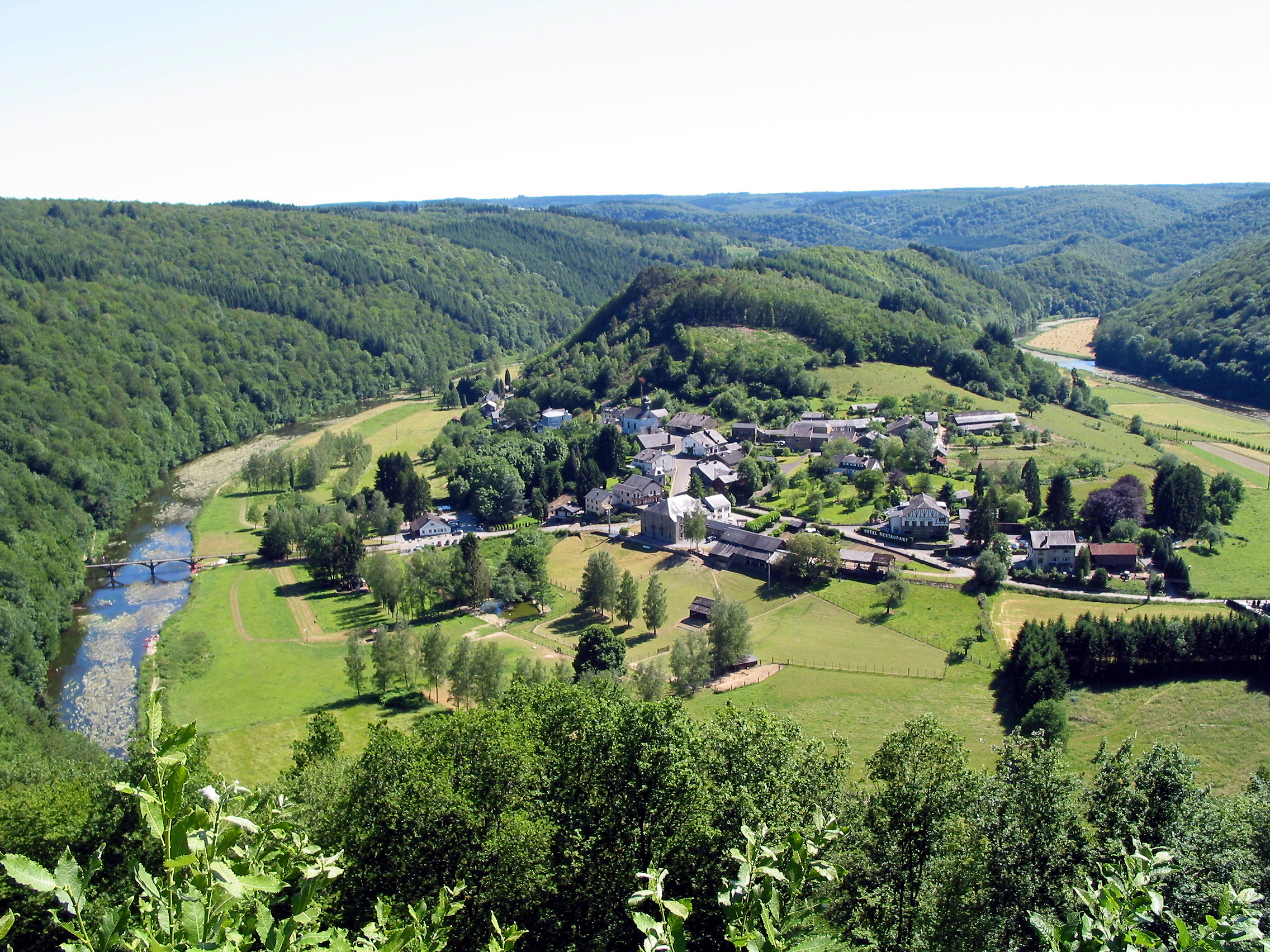
Geologically, the Ardennes are a testament to deep time, forming a western extension of the Eifel highlands. This rugged terrain was sculpted during the Givetian age of the Devonian period, approximately 382.7 to 387.7 million years ago, through immense geological forces that uplifted the land. The resulting landscape is characterized by a series of parallel ridges and valleys, carved by rivers like the Meuse and Ourthe. This ancient geological structure provides the foundation for the region's extensive forests and its challenging topography, which has played a significant role in its military history. The bedrock, primarily composed of Devonian sedimentary rocks, contributes to the distinctive soil types and drainage patterns that define the Ardennes ecosystem, influencing everything from flora and fauna to human settlement.
📊 Key Facts & Numbers
The Ardennes region presents a complex statistical picture. Luxembourg's portion, known locally as Éislek, comprises the northern third of the Grand Duchy. The Ardennes is one of Western Europe's largest continuous forest masses. The economic significance of forestry, tourism, and agriculture within these areas contributes billions of euros annually to the regional economies, though exact figures vary by country and specific administrative division.
👥 Key People & Organizations
While the Ardennes is a geographical region rather than a singular entity, its history is shaped by numerous individuals and organizations. Key figures include military leaders like General George S. Patton, whose Third Army famously fought through the Ardennes during the Battle of the Bulge, and German Field Marshal Gerd von Rundstedt, who orchestrated the offensive. The administrative bodies governing the region, such as the French Conseil Départemental des Ardennes and the Luxembourgish government, play crucial roles in its development and preservation. Environmental organizations like Natagora in Belgium and Nature en Île-de-France work to protect its unique biodiversity. Furthermore, historical societies and military museums across Belgium, Luxembourg, and France, such as the Bastogne War Museum, are dedicated to preserving the memory of the region's wartime past.
🌍 Cultural Impact & Influence
The cultural impact of the Ardennes is profound, resonating through literature, film, and collective memory. Its dense forests and rugged terrain have inspired countless stories, often portraying it as a place of mystery, danger, and resilience. The region's role as a battleground, particularly during the World Wars, has cemented its place in 20th-century history. Films like 'The Longest Day' and 'Band of Brothers' have brought the intense fighting of the Ardennes Offensive to global audiences, shaping popular perceptions. The enduring legacy of these conflicts is evident in the numerous war memorials and cemeteries scattered throughout the landscape, serving as solemn reminders of the human cost. Beyond its military significance, the Ardennes also boasts a rich folklore and distinct regional dialects, contributing to a unique cultural identity that blends natural beauty with historical gravitas.
⚡ Current State & Latest Developments
In the present day, the Ardennes is navigating a transition from its historical identity as a frontier and battleground to a region focused on sustainable development and tourism. Efforts are underway to balance economic growth with environmental conservation, particularly concerning its extensive forests, which are increasingly vulnerable to climate change. Eco-tourism is being promoted in the Ardennes, highlighting its natural landscapes, hiking trails, and historical sites. However, challenges remain, including depopulation in some rural areas and the ongoing need for infrastructure development. The legacy of past conflicts continues to be a draw for historical tourism, with sites like Bastogne and Clervaux Castle attracting visitors interested in World War II history. The region is also seeing renewed interest in its traditional crafts and local produce, fostering a sense of regional pride.
🤔 Controversies & Debates
The Ardennes is not without its controversies, primarily stemming from its historical exploitation and its current environmental challenges. Debates persist regarding the management of its vast forest resources, balancing timber extraction with ecological preservation and the impacts of climate change, such as increased risk of forest fires and pest infestations. The region's wartime legacy also presents a complex ethical landscape, with discussions around the appropriate commemoration of battles and the memorialization of soldiers from all sides. Furthermore, the development of infrastructure, such as new roads or industrial sites, can spark local opposition from environmental groups concerned about habitat fragmentation and landscape degradation. The economic disparities between more developed urban centers and the more rural, sparsely populated areas of the Ardennes also fuel ongoing discussions about regional development policies.
🔮 Future Outlook & Predictions
The future of the Ardennes appears to be increasingly focused on ecological resilience and sustainable tourism. Experts predict a continued emphasis on reforestation and biodiversity conservation, potentially employing advanced techniques to combat climate change impacts on its forests. The region is likely to further leverage its historical significance as a draw for heritage tourism, with potential for immersive experiences and digital reconstructions of key historical events. Economically, there's a push towards diversifying beyond traditional industries, exploring opportunities in renewable energy, artisanal food production, and niche tourism markets. The cross-border cooperation between Belgium, Luxembourg, and France is expected to strengthen, fostering joint initiatives for environmental protection and regional development. However, the long-term viability of these strategies will depend on addressing demographic challenges and ensuring equitable economic opportunities across the entire region.
💡 Practical Applications
The Ardennes offers a diverse range of practical applications, primarily centered around its natural resources and historical significance. Its extensive forests are a vital source of timber, supporting a significant forestry industry across Belgium, France, and Luxembourg. The region's natural beauty and historical sites make it a prime destination for tourism, attracting hikers, cyclists, history enthusiasts, and nature lovers. Specific applications include the development of national parks and nature reserves, such as High Fens-Eifel Nature Park, which protect biodiversity and offer recreational opportunities. The region also serves as a crucial water catchment area for several major European rivers. Furthermore, its strategic historical importance has led to the establishment of numerous museums and memorials, serving educational and commemorative purposes, such as the Museum of the Battle of the Bulge in Bastogne.
Key Facts
- Category
- nature
- Type
- topic