
Contents
Overview
The term 'automation' was first coined in 1946 by General Motors to describe the automatic handling of parts in manufacturing, though the concept of mechanizing labor dates back centuries. What distinguishes automation from simple mechanization is the integration of machines into self-governing systems that operate with minimal human oversight. Over the decades, automation evolved from purely mechanical and hydraulic systems to incorporate electrical, electronic, and computer-based technologies. Today, automation has expanded far beyond factory floors into finance, healthcare, software development, and virtually every sector of the modern economy. The development of automation has become increasingly dependent on computers and computer-related technologies, making automated systems far more sophisticated and capable than their predecessors.
⚙️ How Automation Works
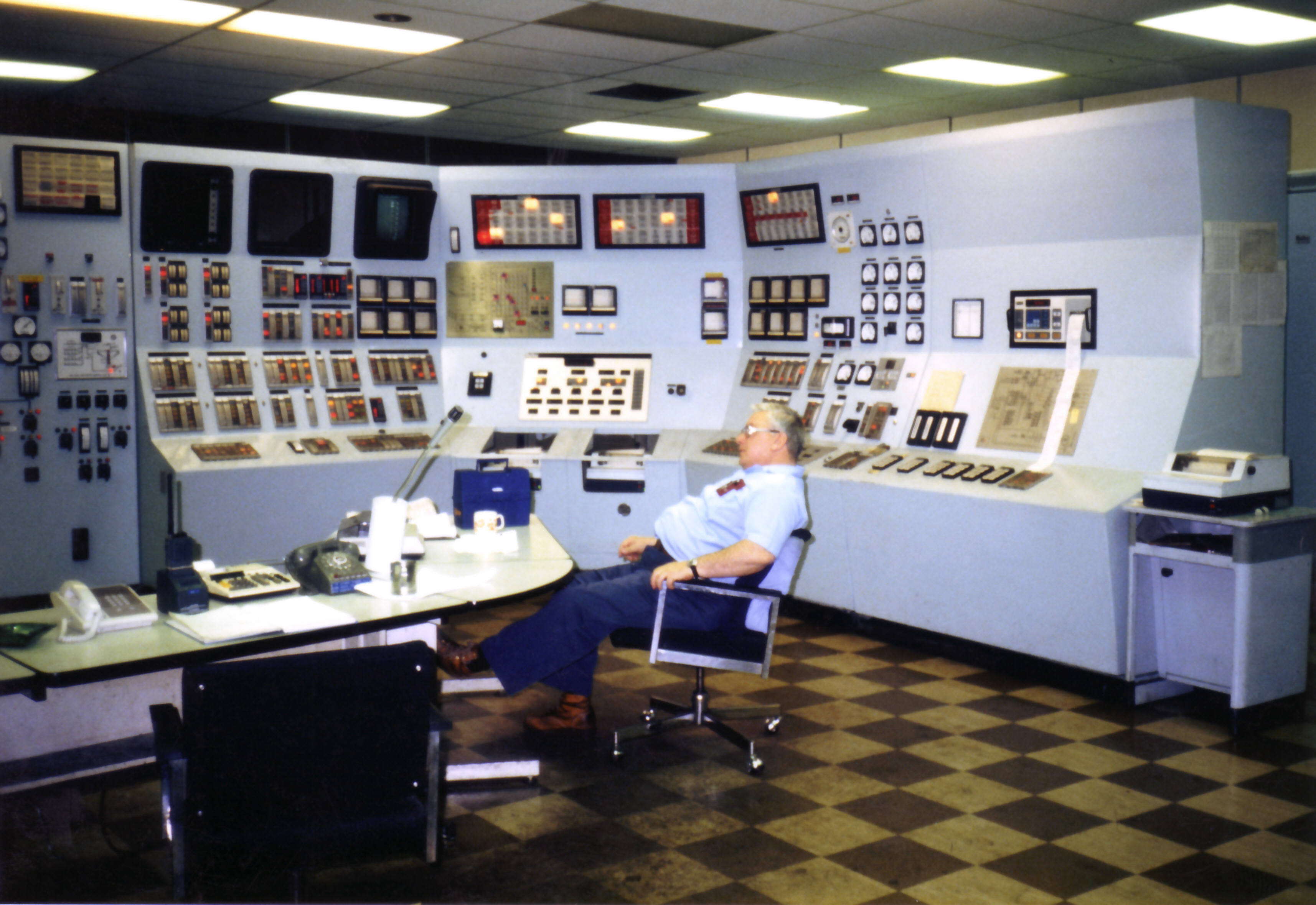
At its core, automation works by predetermining decision criteria, subprocess relationships, and related actions, then embodying those predeterminations in machines or software. Modern automation systems use programmed commands combined with automatic feedback control to ensure proper execution of instructions, allowing them to operate without human intervention. The technology monitors systems for predefined events or triggers—such as routine tasks, technical issues, or specific user actions—and automatically executes corresponding workflows. Advanced automated systems can even surpass human capabilities in speed, accuracy, and consistency. The underlying mechanisms vary widely, from simple mechanical devices like household thermostats to complex industrial control systems with tens of thousands of input measurements and output control signals.
🌍 Types & Applications
Automation exists on a spectrum from basic task automation to highly intelligent systems. Basic or task automation handles simple, routine work like data entry, document generation, email management, and invoice processing—eliminating errors and freeing employees for higher-value work. Software automation uses applications, macros, scripts, and tools like Zapier or Microsoft Power Automate to streamline business processes without human involvement. IT process automation applies software and scripting to streamline IT tasks, system monitoring, and cloud management, becoming a core component of digital transformation. Robotic Process Automation (RPA) uses bots to perform repetitive tasks like extracting information from documents or updating database fields. Intelligent automation represents the cutting edge, combining artificial intelligence, machine learning, and business process management to handle complex decision-making and adapt to new situations. Applications span manufacturing (automotive robotics), enterprise operations (employee onboarding workflows), customer service (virtual agents), and countless other domains.
🔮 The Future of Work
The future of automation points toward hyperautomation and deeper integration with artificial intelligence and machine learning. As AI becomes more sophisticated, automation systems will increasingly handle complex, non-routine tasks that previously required human judgment. Machine learning enables automated systems to detect anomalies, optimize processes, and improve their own performance over time without explicit reprogramming. The convergence of automation with AI is creating what experts call 'intelligent automation'—systems that combine the efficiency of automation with the adaptability of human-like reasoning. However, this evolution raises important questions about workforce displacement, the nature of meaningful work, and how society should manage the transition. The ultimate promise of automation is not to eliminate human work entirely, but to eliminate drudgery and allow humans to focus on creative, strategic, and interpersonal work that machines cannot replicate.
Key Facts
- Year
- 1946-present
- Origin
- General Motors, manufacturing industry; now ubiquitous across all sectors
- Category
- technology
- Type
- concept
Frequently Asked Questions
What's the difference between automation and mechanization?
Mechanization is the simple replacement of human labor with machines, while automation goes further by integrating machines into self-governing systems that operate with minimal human intervention. Automation systems use programmed commands and feedback control to execute tasks automatically, whereas mechanized systems typically still require human oversight and control.
What are the main benefits of automation?
Automation delivers multiple benefits: labor savings by reducing human effort, reduced waste and errors through consistent execution, lower electricity and material costs, improved quality and precision, faster task completion, and the ability to free human workers from tedious tasks so they can focus on higher-value work. It also enables tasks that would otherwise be impossible for humans to accomplish.
What's the difference between attended and unattended automation?
Unattended automation performs actions without any human intervention—the system runs independently once triggered. Attended automation involves human workers executing actions with automation assistance, such as a worker using automated tools to speed up their tasks. Many modern automation solutions combine both approaches for optimal efficiency.
How does intelligent automation differ from basic automation?
Basic automation handles simple, routine, repetitive tasks with predefined rules and workflows. Intelligent automation combines artificial intelligence, machine learning, and business process management to handle complex decision-making, adapt to new situations, learn from experience, and improve over time. Intelligent systems can recognize patterns, make judgments, and optimize themselves without explicit reprogramming.
What industries use automation the most?
While automation is now present across virtually all sectors, it's most prevalent in manufacturing (automotive robotics, assembly lines), IT and software development (system monitoring, deployment), finance (transaction processing, data entry), healthcare (diagnostic systems, administrative workflows), and customer service (chatbots, virtual agents). Any industry with repetitive tasks is a candidate for automation.
References
- britannica.com — /technology/automation
- isa.org — /about-isa/what-is-automation
- geeksforgeeks.org — /software-engineering/what-is-automation/
- salesforce.com — /artificial-intelligence/what-is-automation/
- en.wikipedia.org — /wiki/Automation
- us.ovhcloud.com — /learn/what-is-automation/
- merriam-webster.com — /dictionary/automation
- ibm.com — /think/topics/automation
- redhat.com — /en/topics/automation