
Contents
Overview
Ballet's genesis can be traced to the lavish court spectacles of 15th-century Italy, particularly during the Renaissance period, where aristocratic dances served as political and social displays. Catherine de' Medici, upon marrying Henry II of France in 1533, brought Italian ballet masters to the French court, significantly shaping its development. Early ballets, like Ballet Comique de la Reine (1581), were elaborate affairs combining dance, music, and poetry. The establishment of the Académie Royale de Danse in 1661 by Louis XIV, the Sun King himself an avid dancer, formalized ballet training and codified its steps. Russian ballet, particularly through the influence of Marius Petipa and later Serge Diaghilev's Ballets Russes, ascended to international prominence, introducing innovations that pushed the art form's boundaries.
⚙️ How It Works
At its core, ballet is built upon a precise vocabulary of movements, including plié, relevé, tendu, and arabesque, executed with specific body alignment and posture. Dancers train rigorously from a young age to develop strength, flexibility, turnout (rotation of the legs from the hips), and control. The technique emphasizes épaulement (the placement of the shoulders and head), precise footwork, and ethereal lightness, often defying gravity through leaps (grand allegro) and sustained balances (adagio). Choreography dictates the sequence and style of these movements, often telling a story or conveying abstract emotions, accompanied by a pit orchestra playing classical or contemporary music. Costumes, from tutus to more modern attire, are integral to the aesthetic and characterization.
📊 Key Facts & Numbers
The global ballet industry is substantial, with major companies like the Bolshoi Ballet and Mariinsky Ballet in Russia, the Royal Ballet in the UK, and the New York City Ballet in the US attracting hundreds of thousands of audience members annually. Ticket sales for major productions can generate millions of dollars. Professional ballet dancers typically train for many years before joining a company, and the average career length can be around 15-20 years. The market for ballet shoes alone is estimated to be worth hundreds of millions of dollars worldwide, with brands like Bloch and Capezio dominating.
👥 Key People & Organizations
Key figures who have shaped ballet include Marius Petipa, the 'father of classical ballet,' who choreographed The Sleeping Beauty and The Nutcracker. Anna Pavlova became one of the most famous ballerinas of all time, known for her iconic portrayal of 'The Dying Swan.' George Balanchine, a Russian-American choreographer, revolutionized ballet in the 20th century, co-founding the New York City Ballet and developing a neoclassical style. More contemporary figures like Mikhail Baryshnikov have bridged the gap between classical ballet and mainstream popular culture. Major institutions like the Paris Opera Ballet and the American Ballet Theatre continue to be powerhouses in training and performance.
🌍 Cultural Impact & Influence
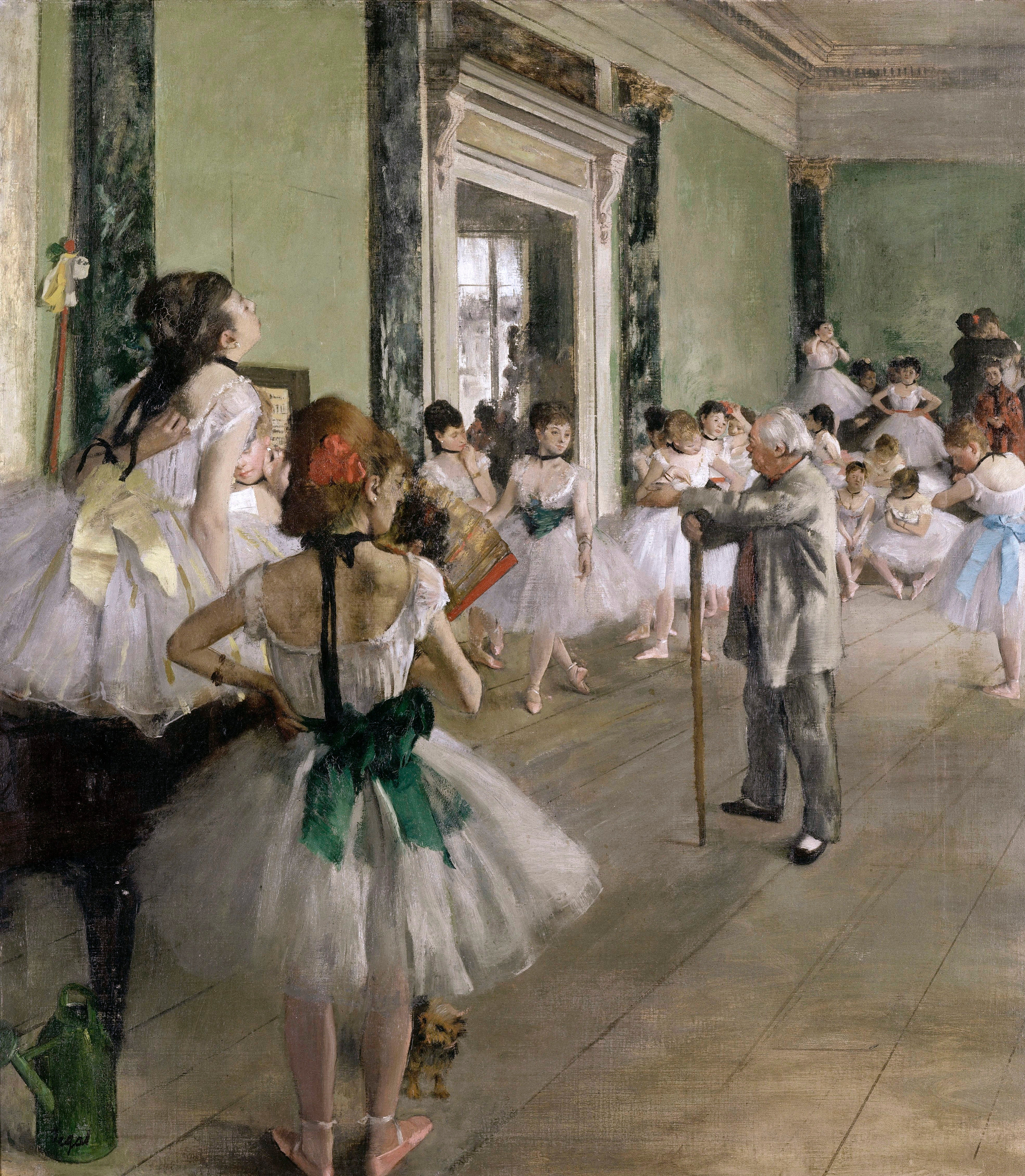
Ballet's influence extends far beyond the stage. Its emphasis on discipline, precision, and aesthetic beauty has permeated fashion, visual arts, and even athletic training. The vocabulary of ballet has provided foundational techniques for numerous other dance genres, including jazz-dance, contemporary-dance, and musical-theatre. Choreographic innovations from ballet have been adapted by filmmakers and musical artists. Furthermore, the narrative structures and character archetypes found in classical ballets have inspired countless literary and theatrical works, demonstrating its deep cultural resonance across centuries and continents. The idealized female form in ballet has also been a recurring motif in art and photography.
⚡ Current State & Latest Developments
In 2024, the ballet world is navigating a complex landscape of artistic evolution and societal change. Companies are increasingly commissioning works from diverse choreographers, including more women and artists of color, to reflect contemporary audiences. Digital platforms are playing a larger role, with many companies offering streaming services and virtual performances, a trend accelerated by the COVID-19 pandemic. There's a growing conversation around accessibility and inclusivity, with initiatives aimed at broadening participation beyond traditional demographics. The economic pressures on arts organizations remain significant, leading to innovative fundraising strategies and collaborations, such as partnerships between ballet companies and fashion-designers or tech-companies.
🤔 Controversies & Debates
Ballet is not without its controversies. The intense physical demands and early specialization can lead to injuries and psychological pressure, with debates ongoing about the health and well-being of young dancers. The traditional aesthetic, often emphasizing extreme thinness and specific body types, has faced criticism for promoting unrealistic beauty standards and body image issues. Furthermore, the historical repertoire, while celebrated, sometimes contains outdated or problematic representations of race and gender, leading to discussions about re-staging or re-interpreting classic works. The financial sustainability of many ballet companies, particularly smaller ones, is a perennial concern, sparking debates about funding models and artistic priorities.
🔮 Future Outlook & Predictions
The future of ballet appears to be a dynamic interplay between tradition and innovation. We can expect continued exploration of digital technologies, potentially leading to new forms of immersive performance and audience engagement. Choreographers will likely push the boundaries of movement and narrative, integrating influences from global cultures and other art forms more fluidly. There's a strong push towards greater diversity and inclusion, both on stage and in leadership roles, which could fundamentally reshape the art form's demographics and repertoire. Economic models may shift further towards hybrid approaches, blending live performance with digital content and diversified revenue streams, ensuring ballet's continued relevance in a rapidly changing world.
💡 Practical Applications
While primarily an art form, ballet's principles have practical applications. The rigorous training develops exceptional discipline, coordination, and spatial awareness, skills valuable in fields beyond dance. Physical therapy and sports-medicine often incorporate balletic exercises for rehabilitation and conditioning due to their focus on controlled strength and flexibility. The storytelling and character development inherent in ballet can inform acting techniques and screenwriting. Furthermore, the precision and aesthetic considerations of ballet can influence graphic-design and architecture, particularly in the creation of elegant and functional forms. The discipline of ballet training can also be applied to learning any complex motor skill.
Key Facts
- Category
- aesthetics
- Type
- concept