
Contents
Overview
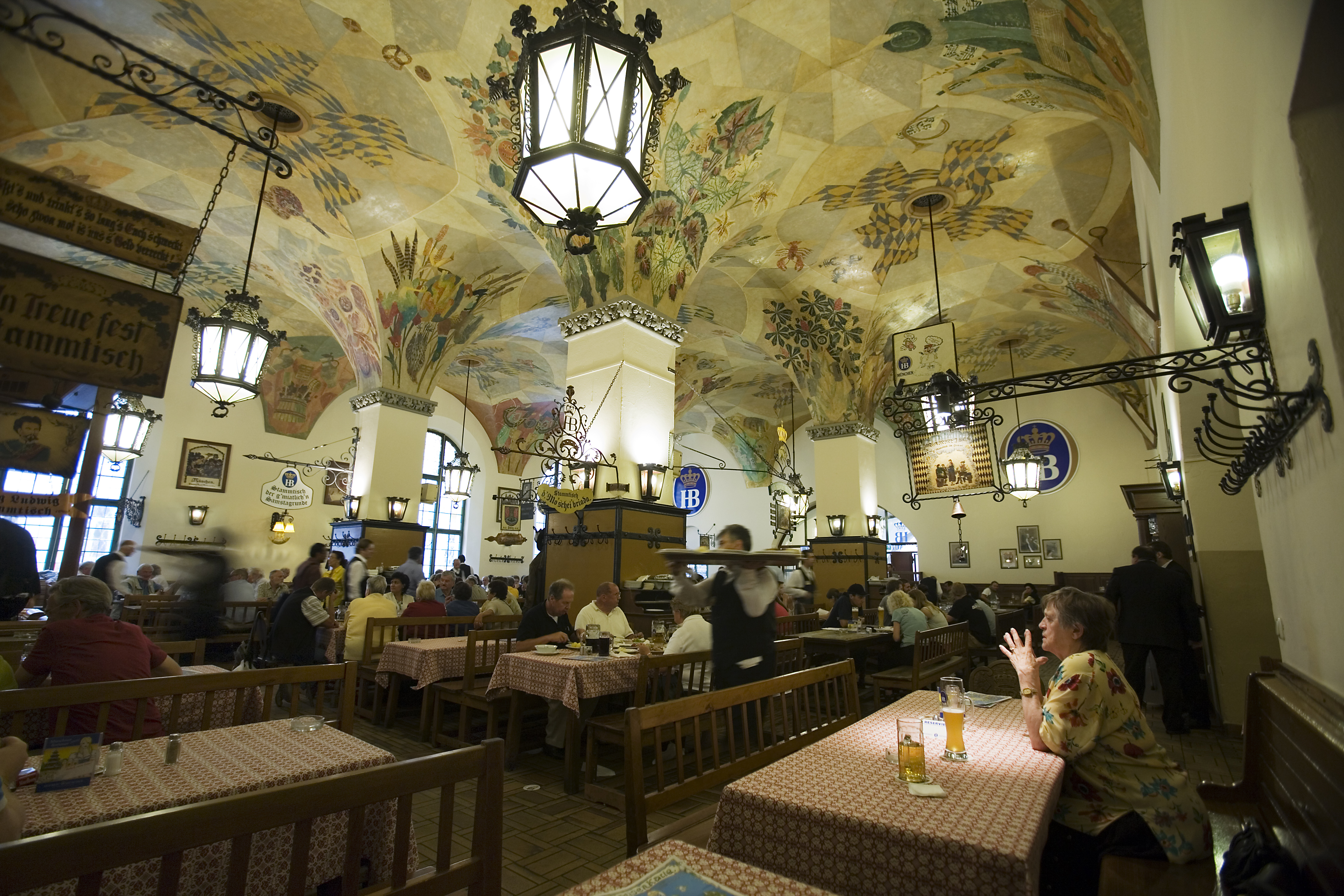
The beer hall's lineage traces back to the simple German tavern. Early establishments like the Hofbräuhaus in Munich, founded in 1589 but significantly expanded and popularized in the 19th century, became archetypes. These spaces were designed to serve large numbers of people efficiently, often featuring long communal tables and a lively atmosphere. The beer hall wasn't just about drinking; it was a venue for political discourse, musical performances, and community events, as evidenced by its role in historical moments like the Beer Hall Putsch in 1923, a failed coup attempt by Adolf Hitler and the Nazi Party in Munich. Post-World War II, the beer hall's cultural significance persisted, though its role evolved with changing social habits and the rise of smaller, more specialized pubs.
⚙️ How It Works
At its core, a beer hall functions as a large-scale hospitality venue optimized for high-volume beer service and social interaction. The architectural design is key: vast, open spaces with high ceilings and numerous long, sturdy tables and benches are standard, encouraging patrons to sit together, often with strangers. This communal seating arrangement is central to the beer hall's vibe, breaking down social barriers and fostering a sense of shared experience. Service is typically efficient, with staff often trained to handle large orders quickly. The beverage selection is heavily focused on beer, frequently featuring local or regional brews, often served in large steins or liter mugs. Food menus usually consist of hearty, traditional fare designed to complement beer, such as sausages, pretzels, and roasted meats, further enhancing the communal dining aspect. Many beer halls also incorporate live music or entertainment, contributing to their lively and boisterous atmosphere.
📊 Key Facts & Numbers
Globally, there are tens of thousands of establishments that can be classified as beer halls. In Munich, the Hofbräuhaus can reportedly serve up to 5,000 patrons simultaneously, with its servers often carrying up to 10 one-liter steins at a time. The global beer market is valued at over $700 billion annually, with beer halls representing a significant, albeit niche, segment of the on-premise consumption sector. A single large beer hall might sell upwards of 1,000 liters of beer on a busy weekend night. The Oktoberfest festival in Munich, arguably the world's most famous beer hall-like event, attracts over six million visitors annually, consuming millions of liters of beer.
👥 Key People & Organizations
While no single individual 'invented' the beer hall, figures like King Ludwig I of Bavaria were instrumental in fostering the cultural environment that allowed such establishments to flourish. The Hofbräuhaus itself, a cornerstone of Munich's beer culture, has been a constant presence for centuries, managed by the Bavarian state government. Organizations like the German Brewers Federation advocate for the industry, indirectly supporting the ecosystem of beer halls. In the United States, restaurateurs like Jim Koch of Samuel Adams have popularized German-style beers, influencing the design and offerings of modern American beer halls. The Oktoberfest celebration, while a festival, functions as a temporary, massive beer hall experience, drawing millions and solidifying the cultural importance of these venues.
🌍 Cultural Impact & Influence
Beer halls serve as living museums of brewing traditions and communal gathering. The concept has influenced hospitality trends worldwide, inspiring the design of gastropubs and large-format bars that emphasize shared seating and a convivial atmosphere. The association of beer halls with music, dance, and hearty food has become a global shorthand for German culture, often depicted in media and tourism. The beer hall's role as a 'third place'—a social environment separate from home and work—is a significant cultural contribution, providing a space for relaxation, conversation, and community building. Their architectural style, characterized by large, open halls, has also influenced public space design.
⚡ Current State & Latest Developments
In the 21st century, beer halls are experiencing a resurgence, blending traditional elements with modern sensibilities. Many new establishments are opening in cities across North America, Europe, and Asia, often focusing on craft beers and elevated food menus. The rise of the craft beer movement has fueled this trend, with beer halls becoming prime venues for showcasing diverse and innovative brews. Technology is also playing a role, with many halls implementing digital ordering systems and loyalty programs. While the traditional Bavarian beer hall remains iconic, contemporary iterations are adapting to changing consumer preferences, offering more diverse food options and sometimes incorporating elements like outdoor seating or live entertainment beyond traditional German music. The COVID-19 pandemic presented significant challenges, but many beer halls have adapted with outdoor dining and takeout options, demonstrating resilience.
🤔 Controversies & Debates
The beer hall is not without its controversies, particularly concerning its historical associations. The most infamous is its connection to the Beer Hall Putsch in 1923, where Adolf Hitler launched his failed attempt to seize power from a Munich beer hall. This event has cast a long shadow, linking the venue to extremist political movements. Debates also arise around the authenticity of modern beer halls versus their historical counterparts, with some critics arguing that many new establishments lack the genuine cultural depth of their predecessors. Furthermore, the high alcohol consumption inherent in beer hall culture can raise public health concerns regarding excessive drinking and related social issues. The economic viability of large, traditional beer halls in the face of changing consumer habits and competition from smaller bars and breweries is also a point of discussion.
🔮 Future Outlook & Predictions
The future of the beer hall likely involves a continued fusion of tradition and innovation. We can expect to see more beer halls embracing the global craft beer scene, offering an even wider array of independent brews alongside their traditional offerings. Sustainability will also become a more prominent factor, with venues focusing on local sourcing, waste reduction, and energy efficiency. The integration of technology will deepen, potentially including augmented reality experiences or personalized recommendations for beer pairings. There's also a growing interest in 'experiential' beer halls, incorporating brewery tours, tasting workshops, and interactive elements. The challenge will be to maintain the authentic communal spirit while adapting to evolving social dynamics and economic pressures, ensuring these spaces remain vibrant hubs for generations to come.
💡 Practical Applications
Beer halls serve as versatile platforms for a range of practical applications beyond mere beverage service. They are ideal venues for large-scale social events, from corporate parties and weddings to birthday celebrations and alumni gatherings, offering a ready-made atmosphere and catering infrastructure. Their communal seating and lively ambiance make them perfect for watching major sporting events, like World Cup matches or Bundesliga games, fostering a shared fan experience. They also function as cultural showcases, hosting traditional music performances, folk dancing, and seasonal festivals like Oktoberfest, thereby preserving and promoting cultural heritage. Furthermore, many beer halls act as incubators for local breweries, providing a consistent outlet for their products and a space for consumers to discover new beers, thus supporting the broader craft beer ecosystem.
Key Facts
- Category
- culture
- Type
- topic