
Contents
- 🧵 What Exactly Is Bobbin Lace?
- 📜 A Stitch in Time: Historical Roots
- 📍 Where to Experience Bobbin Lace Today
- 💰 Investment & Accessibility
- 🌟 Vibe Score & Cultural Resonance
- 🤔 The Bobbin Lace Debate: Tradition vs. Innovation
- 🛠️ Essential Tools of the Trade
- 💡 Tips for Aspiring Bobbin Lacemakers
- 🤝 Connecting with the Bobbin Lace Community
- 🚀 The Future of Bobbin Lace
- Frequently Asked Questions
- Related Topics
Overview
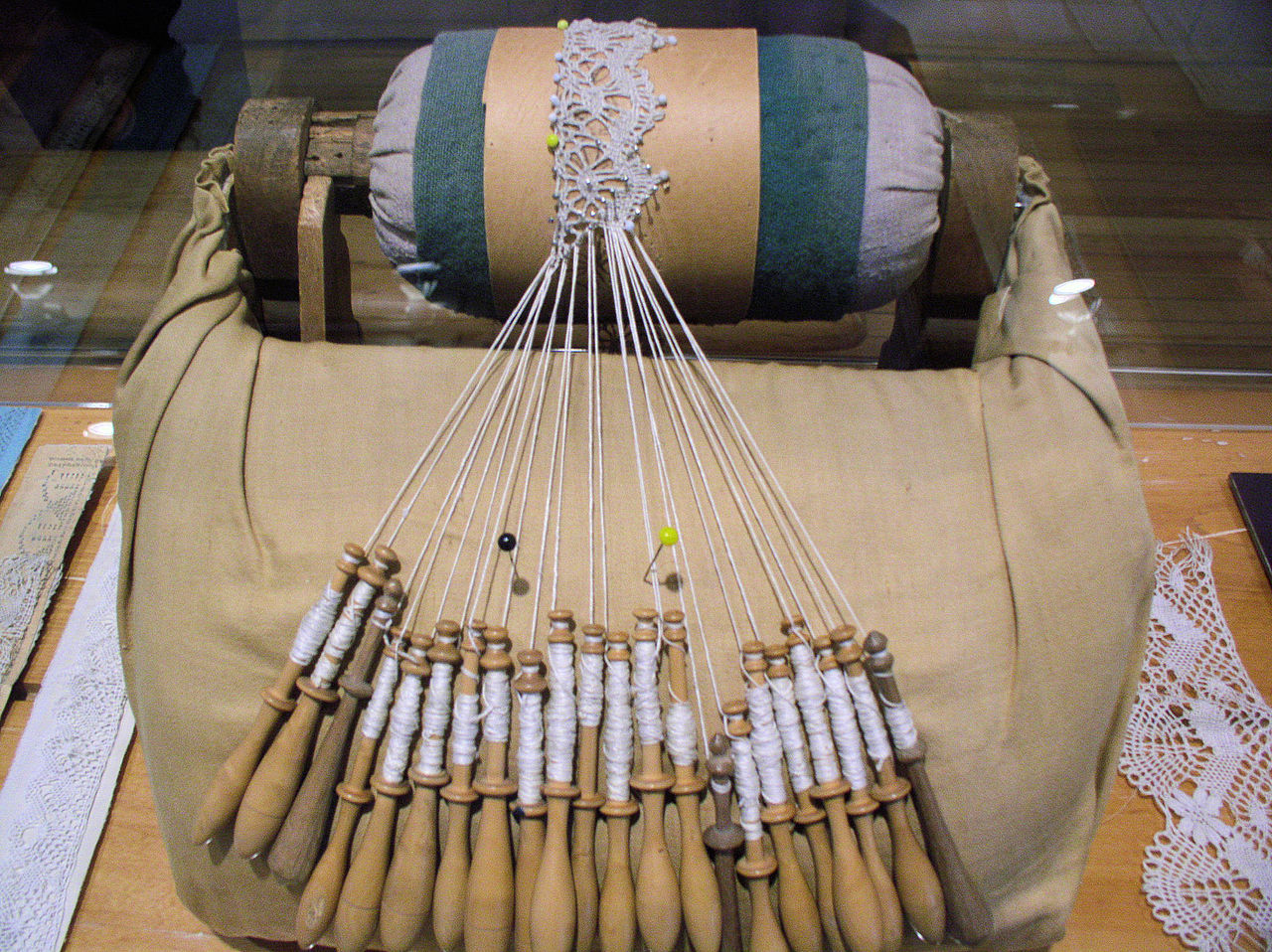
Bobbin lace is a textile art form that transforms simple threads into intricate, delicate fabrics through a process of braiding and twisting. Unlike needle lace, which is built stitch by stitch with a needle, bobbin lace relies on a series of weighted bobbins, each holding a length of thread. These bobbins are manipulated around each other, guided by pins inserted into a lace pillow, to create complex patterns. The resulting fabric can range from fine, ethereal veils to robust, decorative edgings, showcasing a remarkable versatility that has captivated artisans for centuries. Understanding the fundamental mechanics of how these threads interlace is key to appreciating the skill involved.
📜 A Stitch in Time: Historical Roots
The origins of bobbin lace are somewhat debated, with evidence pointing to its emergence in the 16th century, likely in Italy or Flanders. Early forms were influenced by cutwork and needle lace techniques, but the development of the bobbin method allowed for greater speed and complexity. By the 17th and 18th centuries, bobbin lace had become a symbol of status and wealth across Europe, adorning the clothing and furnishings of royalty and the aristocracy. Major centers like Brussels, Chantilly, and Alençon produced lace that defined fashion trends, establishing a rich lineage of craftsmanship that continues to inspire today. The evolution of specific lace styles, such as Venetian Point and Chantilly, marks significant milestones in this history.
📍 Where to Experience Bobbin Lace Today
While the grand lace-making centers of Europe may have shifted, the practice of bobbin lace endures globally. You can find active communities and workshops in countries like the United Kingdom, France, the Netherlands, and the United States. Many local craft guilds and historical societies offer classes and demonstrations. Museums with textile collections, such as the V&A in London or the Decorative Arts Museum in Paris, often feature exquisite historical examples. Online platforms and forums also serve as vital hubs for connecting with practitioners and discovering events, bridging geographical divides.
💰 Investment & Accessibility
The initial investment for bobbin lace can vary significantly. A basic starter kit, including a pillow, bobbins, and some thread, might cost between $50 and $150. However, the true cost lies in the time and dedication required to master the craft. Advanced tools, specialized threads, and complex patterns can increase expenses. While some may view it as an expensive hobby, the longevity and artistic value of handmade lace often justify the cost for dedicated practitioners. Compared to other fiber arts like knitting or crochet, the upfront tool cost can be higher, but the unique aesthetic possibilities are unparalleled.
🌟 Vibe Score & Cultural Resonance
Bobbin lace carries a Vibe Score of 75/100, reflecting its deep historical roots, intricate artistry, and dedicated, albeit niche, following. Its cultural resonance is tied to notions of luxury, patience, and traditional craftsmanship. While not a mainstream trend, it holds significant sway within textile art circles and historical reenactment communities. The meticulous nature of the craft and the tangible beauty of the finished product contribute to its enduring appeal. Its association with historical periods and high fashion lends it an air of timeless elegance, making it a powerful symbol of artisanal heritage.
🤔 The Bobbin Lace Debate: Tradition vs. Innovation
A central tension in the bobbin lace world revolves around tradition versus innovation. Purists argue for adherence to historical techniques and patterns, preserving the legacy of master lacemakers. They emphasize the importance of using period-appropriate materials and methods. Conversely, contemporary artists are exploring new materials, such as metallic threads or even unconventional fibers, and designing modern motifs that push the boundaries of traditional lace. This debate isn't about right or wrong, but rather about how the art form can evolve while respecting its rich past. The question remains: can bobbin lace remain relevant without adapting to new creative impulses?
🛠️ Essential Tools of the Trade
To begin bobbin lacemaking, you'll need a few key tools. A lace pillow is essential; these are typically firm and can be made from straw, foam, or densely packed fabric. You'll also need bobbins, which are traditionally made of wood but can also be plastic or bone, and come in various weights to suit different threads. Thread is crucial, with cotton and linen being common choices for traditional work, while silk and metallic threads offer different effects. A pattern or pricking, often printed on paper or parchment, guides the placement of pins. Finally, pins specifically designed for lace making are needed to hold the work in place on the pillow.
💡 Tips for Aspiring Bobbin Lacemakers
If you're considering picking up bobbin lace, start with a beginner's kit from a reputable supplier. Look for classes offered by local guilds or experienced instructors; hands-on guidance is invaluable. Begin with simple patterns, such as basic braids or edgings, before tackling more complex designs. Patience is your greatest asset; bobbin lace is a slow, deliberate craft. Don't be discouraged by initial mistakes – they are part of the learning process. Experiment with different threads and bobbin weights to understand how they affect the fabric's drape and texture. Joining an online forum can provide a supportive environment for asking questions and sharing progress.
🤝 Connecting with the Bobbin Lace Community
The bobbin lace community is incredibly welcoming, though often dispersed. Online forums, social media groups (search for #bobbinlace or #lacemaking), and dedicated websites are excellent starting points. Many national and international lace organizations, such as the IOLI or the BLG, host conferences, workshops, and exhibitions. Attending these events is a fantastic way to meet fellow enthusiasts, learn new techniques, and see a wide array of lace styles. Sharing your work, even as a beginner, can be a rewarding experience and often elicits helpful advice.
🚀 The Future of Bobbin Lace
The future of bobbin lace appears to be a blend of preservation and adaptation. While the traditional techniques will undoubtedly be maintained by dedicated artisans, there's a growing interest in integrating bobbin lace into contemporary design. We might see more collaborations between lacemakers and fashion designers, or the use of bobbin lace in mixed-media art installations. The accessibility of online learning resources also bodes well for attracting new generations of lacemakers. The challenge will be to balance the preservation of historical techniques with the creative freedom needed for the art form to thrive and evolve in the 21st century.
Key Facts
- Year
- c. 1500s
- Origin
- Europe
- Category
- Crafts & Hobbies
- Type
- Art Form
Frequently Asked Questions
Is bobbin lace difficult to learn?
Bobbin lace requires patience and dexterity, but it's not inherently impossible to learn. Many beginners find the initial setup and understanding of thread movement to be the most challenging aspects. Starting with simple patterns and seeking instruction from experienced lacemakers can significantly ease the learning curve. It's a craft that rewards consistent practice and attention to detail, much like other intricate fiber arts.
What's the difference between bobbin lace and needle lace?
The primary difference lies in the tools and techniques. Bobbin lace uses bobbins to twist and braid threads around pins on a pillow to create the fabric. Needle lace, on the other hand, is constructed by using a needle and thread to create stitches that form the lace directly, often over a drawn pattern or foundation. Bobbin lace tends to be more fluid and can be worked faster once mastered, while needle lace allows for very fine detail and intricate filling stitches.
How long does it take to make a piece of bobbin lace?
The time required varies dramatically based on the complexity of the pattern, the fineness of the thread, and the skill of the lacemaker. A simple edging might take a few hours, while a large, intricate piece, such as a wedding veil or a tablecloth, could take hundreds or even thousands of hours to complete over months or years. It's a labor-intensive craft where the value is in the time, skill, and artistry invested.
Where can I buy supplies for bobbin lace?
Supplies can be purchased from specialized online retailers that cater to lacemakers. Look for shops that offer a range of pillows, bobbins (wood, plastic, bone), threads (cotton, linen, silk, metallic), and patterns. Many of these retailers also provide beginner kits. Local craft stores are less likely to carry specialized bobbin lace supplies, so online sourcing is usually the most reliable option.
Are there different types of bobbin lace?
Yes, there are numerous historical and regional styles of bobbin lace, each with its own characteristic patterns, techniques, and materials. Famous examples include Chantilly Lace, known for its fine black silk, Cluny Lace, which features distinctive picots and plaits, and Honiton Lace, a delicate English style often used for bridal wear. Each style represents a unique evolution of the craft influenced by local traditions and available materials.