
Contents
- 🚦 The Vibe of Brake Maintenance: More Than Just Stopping
- 🛠️ What's Actually Happening: The Mechanics of Your Brakes
- 📅 When to Get Checked: The Warning Signs You Can't Ignore
- 💰 Cost Breakdown: What to Expect for Service
- ⭐ Vibepedia Ratings: Finding Top-Tier Mechanics
- 🤔 DIY vs. Pro: Weighing Your Options
- 💡 Pro Tips for Extending Brake Life
- 📍 Finding a Trusted Mechanic Near You
- Frequently Asked Questions
- Related Topics
Overview
Brake maintenance isn't just about avoiding a ticket; it's the critical, often overlooked, guardian of your vehicle's safety and your wallet. Neglecting your brakes is a gamble with potentially catastrophic consequences, from costly repairs to life-threatening accidents. This guide cuts through the noise, offering practical insights into what truly matters: understanding the components, recognizing the warning signs, and knowing when to call in the cavalry. We'll explore the historical evolution of braking systems, the engineering marvels that keep us safe, and the future of stopping technology, all while keeping a firm grip on the immediate needs of your vehicle.
🚦 The Vibe of Brake Maintenance: More Than Just Stopping
Brake maintenance isn't just about preventing accidents; it's about preserving the kinetic soul of your vehicle. For any driver, from the daily commuter to the weekend warrior, understanding your brakes is fundamental to a safe and exhilarating driving experience. Neglecting them is like ignoring the heartbeat of your car. At Vibepedia, we see brake health as a crucial component of a vehicle's overall vibe score, directly impacting its reliability and your peace of mind on the road. This isn't just about mechanics; it's about the confidence that comes with knowing your machine can perform when it matters most.
🛠️ What's Actually Happening: The Mechanics of Your Brakes
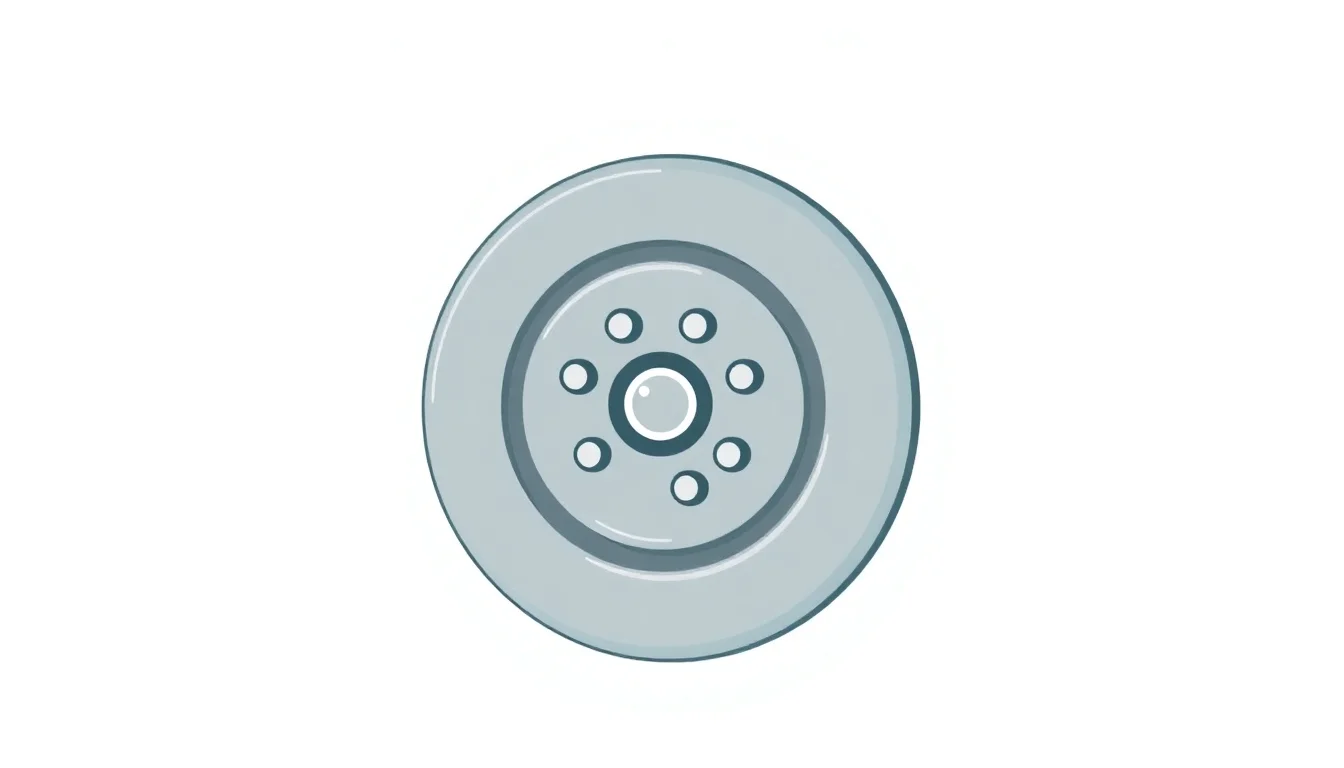
At its core, your braking system is a marvel of hydraulic engineering. When you press the brake pedal, a master cylinder forces brake fluid through lines to calipers or wheel cylinders. These then push brake pads against rotors or brake shoes against drums, creating friction that converts kinetic energy into heat, slowing your vehicle. Understanding this hydraulic brake system is key to appreciating why fluid quality and component wear are so critical. Ignoring a leak or worn pad is akin to letting a tiny crack spread through a dam.
📅 When to Get Checked: The Warning Signs You Can't Ignore
The symphony of your brakes will often tell you when something's amiss. A high-pitched squeal, often from the wear indicators on your brake pads, is your first audible warning. Grinding noises suggest metal-on-metal contact, a serious issue requiring immediate attention. If your pedal feels spongy, sinks to the floor, or you notice your car pulling to one side when braking, these are critical indicators of potential brake system failure. Don't wait for these sounds to become a roar; they are your car's SOS.
💰 Cost Breakdown: What to Expect for Service
The cost of brake maintenance can vary wildly, but it's a necessary investment. A basic brake pad replacement for a single axle typically ranges from $150 to $300, depending on the vehicle and parts used. More complex jobs, like replacing rotors or calipers, can push the total to $300-$600 per axle. Brake fluid flushes, recommended every 2-3 years, usually cost between $75 and $150. While these figures might seem steep, they pale in comparison to the potential cost of an accident or more extensive repairs down the line, making preventative automotive maintenance the financially sound choice.
⭐ Vibepedia Ratings: Finding Top-Tier Mechanics
Vibepedia's rating system for mechanics focuses on a blend of technical expertise, customer satisfaction, and fair pricing. We analyze reviews, technician certifications (like ASE), and the shop's history of handling complex brake issues. Look for shops with a high Vibe Score for automotive services, indicating a strong reputation for honesty and quality work. A mechanic who can clearly explain the problem and offer transparent pricing is always a good sign, avoiding the dreaded upselling tactics in auto repair.
🤔 DIY vs. Pro: Weighing Your Options
For the mechanically inclined, some basic brake maintenance, like inspecting pad thickness or topping up fluid, can be a DIY endeavor. However, tasks involving brake bleeding, caliper replacement, or diagnosing complex hydraulic issues are best left to professionals. The precision required for safe braking means that even minor errors can have severe consequences. Unless you have a solid understanding of automotive hydraulics and the right tools, entrusting your brakes to a certified certified auto technician is the safer bet.
💡 Pro Tips for Extending Brake Life
Extending the life of your brakes involves more than just regular checks. Gentle braking, avoiding hard stops whenever possible, significantly reduces wear on pads and rotors. Proper tire inflation also plays a role, ensuring your vehicle handles predictably. Regularly cleaning your wheels can help prevent brake dust buildup, which can corrode components over time. Finally, choosing quality high-quality brake components from reputable brands, even if slightly more expensive, often pays dividends in longevity and performance.
📍 Finding a Trusted Mechanic Near You
Finding a reliable mechanic is paramount. Vibepedia's directory allows you to search for automotive repair shops in your area, filtered by specialization and customer ratings. Look for shops that explicitly list brake repair and maintenance as a core service. Don't hesitate to call ahead, ask about their experience with your specific vehicle make and model, and inquire about their diagnostic process. A good mechanic will be happy to walk you through the findings and explain the necessity of any proposed repairs, fostering a relationship built on trust and clear communication.
Key Facts
- Year
- 2023
- Origin
- Vibepedia.wiki
- Category
- Automotive Maintenance
- Type
- Resource Guide
Frequently Asked Questions
How often should I get my brakes inspected?
It's generally recommended to have your brakes inspected at least once a year, or every 12,000 miles. However, if you notice any of the warning signs like squealing, grinding, or a soft pedal, you should get them checked immediately. Driving habits also play a role; aggressive driving will wear brakes faster than gentle cruising. Consulting your vehicle's owner manual for specific recommendations is always a good practice.
What's the difference between brake pads and rotors?
Brake pads are the friction material that presses against the rotors. They are designed to wear down over time and are typically replaced in pairs. Rotors (or discs) are the metal plates that the pads clamp onto. They can also wear down, warp, or develop grooves, and may need to be resurfaced or replaced along with the pads. Think of pads as the shoes and rotors as the soles they grip.
Can I just replace brake pads without replacing rotors?
Often, yes, if the rotors are still in good condition. A mechanic will inspect the rotors for thickness, flatness, and any signs of damage or excessive wear. If the rotors are smooth and thick enough, only the pads may need replacement. However, if the rotors are scored, warped, or below minimum thickness, replacing them with new pads is crucial for optimal braking performance and safety.
What does it mean if my brake pedal feels spongy?
A spongy brake pedal usually indicates air in the hydraulic brake lines or a problem with the master cylinder. When you press the pedal, the air compresses, leading to a soft, mushy feel instead of a firm response. This is a serious issue that requires immediate attention from a qualified mechanic to bleed the system or repair the faulty component.
How does driving style affect brake wear?
Aggressive driving, characterized by frequent hard braking and rapid acceleration, significantly accelerates brake wear. Each hard stop generates more heat and friction, wearing down pads and rotors faster. Conversely, smooth, gradual braking and anticipating stops reduces the stress on the braking system, extending the lifespan of components. Maintaining a consistent speed and allowing ample stopping distance are key to maximizing brake life.
Are ceramic or metallic brake pads better?
Both have pros and cons. Ceramic pads are generally quieter, produce less dust, and offer a more consistent performance across a wider temperature range, making them ideal for daily driving. Metallic (or semi-metallic) pads offer stronger initial bite and better heat dissipation under heavy load, making them suitable for performance driving or heavy-duty applications, though they can be noisier and wear rotors faster.