
Contents
- 🐃 What is the American Buffalo?
- 📍 Where to See Them in the Wild
- 🏞️ National Parks & Bison Sanctuaries
- 💰 Conservation Efforts & How to Help
- ⚖️ Bison vs. Buffalo: Settling the Score
- 📈 The Bison's Vibe Score: 85/100
- 🤔 Controversies & Challenges
- 💡 Practical Tips for Bison Viewing
- Frequently Asked Questions
- Related Topics
Overview
The American bison, often called buffalo, is a keystone species of North America's grasslands, a symbol of the wild West, and a testament to both ecological resilience and human-driven near-extinction. Historically numbering in the tens of millions, their populations were decimated by 19th-century hunting and westward expansion, plummeting to fewer than 1,000 by 1900. Today, conservation efforts have revived their numbers, though they remain a complex case study in wildlife management, balancing ecological restoration with the needs of ranching and tourism. Understanding the buffalo means grappling with its immense ecological impact, its profound cultural significance to Indigenous peoples, and the ongoing debate about its future in a human-dominated landscape.
🐃 What is the American Buffalo?
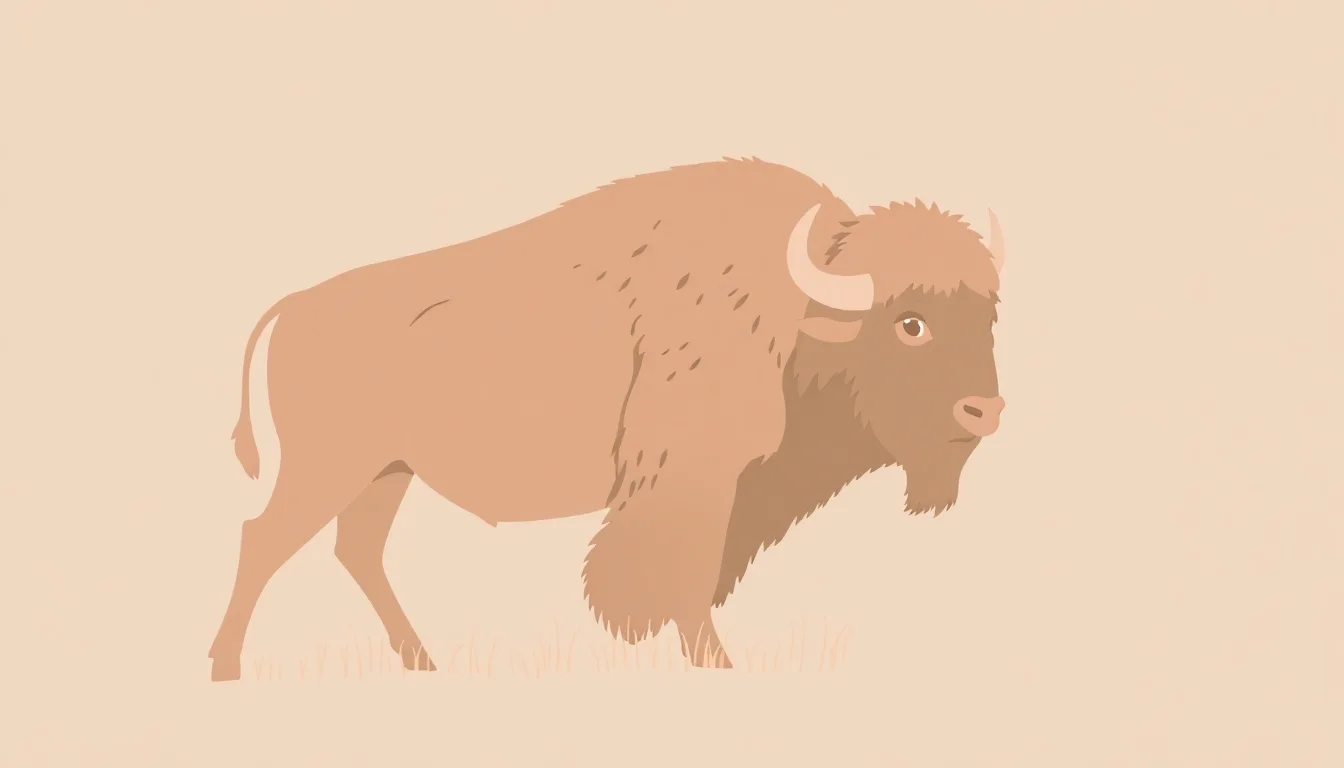
The American buffalo, scientifically known as Bison bison, is an iconic symbol of the North American plains, a creature whose very presence evokes images of untamed wilderness. These massive bovines, weighing up to 2,000 pounds for males, are not true buffalo but rather a distinct genus of wild cattle. Their shaggy coats, formidable horns, and powerful build have made them a subject of fascination and a critical component of the prairie ecosystem. Once numbering in the tens of millions, their near extinction and subsequent recovery are a testament to both human impact and conservation resilience. Understanding the American buffalo means appreciating its ecological role and its deep cultural significance to Indigenous peoples and the broader American identity.
📍 Where to See Them in the Wild
Witnessing American buffalo in their natural habitat is an unforgettable experience. While wild herds are primarily found in protected areas, several locations offer excellent viewing opportunities. The most renowned is Yellowstone National Park, home to the oldest continuously managed bison herd in the U.S., with over 4,000 individuals. Other prime locations include Custer State Park in South Dakota, which hosts a massive annual buffalo roundup, and Theodore Roosevelt National Park in North Dakota, offering a more rugged, less crowded experience. Remember, these are wild animals; maintaining a safe distance is paramount for both your safety and their well-being. Always adhere to park regulations and guidelines regarding wildlife interaction.
🏞️ National Parks & Bison Sanctuaries
Beyond Yellowstone and Custer State Park, numerous national parks and dedicated sanctuaries are crucial for the American buffalo's survival. Grand Teton National Park in Wyoming often provides stunning backdrops for bison sightings, with herds grazing in the valley. In Montana, the National Bison Range is a historic conservation success story, managed by the U.S. Fish and Wildlife Service to preserve bison populations. For those seeking a more intimate encounter, consider visiting the Henry Mountains Bison Herd in Utah, a genetically distinct herd managed by the state. These protected areas are vital for genetic diversity and ensuring the long-term viability of bison populations across the continent.
💰 Conservation Efforts & How to Help
The story of the American buffalo is inextricably linked to conservation. Following the devastating decline in the late 19th century, driven by overhunting and habitat loss, dedicated efforts have worked to restore their numbers. Organizations like the National Wildlife Federation and the American Bison Society (re-established in 2005) play critical roles in habitat restoration, research, and advocating for policies that support bison recovery. Supporting these organizations through donations or volunteering is a direct way to contribute to the species' future. Purchasing products from certified conservation-minded ranches also helps fund these vital initiatives.
⚖️ Bison vs. Buffalo: Settling the Score
The common vernacular often conflates 'buffalo' and 'bison,' leading to widespread confusion. True buffalo, like the Water Buffalo (Bubalus bubalis), are native to Asia and Africa and possess distinct physical characteristics, including smoother, backward-curving horns and a different body shape. The American buffalo (Bison bison) is native to North America and is characterized by its massive hump, shaggy mane, and short, sharp horns. While 'buffalo' is the historically common name and deeply ingrained in American culture, scientifically, they are bison. This distinction is important for accurate ecological understanding and conservation efforts.
📈 The Bison's Vibe Score: 85/100
The American buffalo commands a Vibe Score of 85/100, reflecting its immense cultural resonance and ecological importance. This score is driven by its powerful symbolism of the American West, its dramatic conservation narrative, and its foundational role in prairie ecosystems. The sheer presence of a herd thundering across the plains generates a palpable energy, a connection to a wilder past. While its Vibe Score is high, ongoing conservation challenges and debates prevent it from reaching the absolute zenith, indicating a dynamic and evolving relationship between humans and this magnificent species.
🤔 Controversies & Challenges
Despite conservation successes, the American buffalo faces ongoing challenges. A significant debate revolves around the genetic purity of bison herds, particularly concerning interbreeding with domestic cattle, which can dilute the bison's unique genetic makeup. Disease transmission, such as brucellosis, from cattle to bison is another persistent concern, often leading to controversial management decisions. Furthermore, the debate over land use and the reintroduction of bison into new territories highlights the tension between agricultural interests and ecological restoration. These issues underscore the complex socio-political landscape surrounding the buffalo's future.
💡 Practical Tips for Bison Viewing
When planning a trip to see American buffalo, preparation is key. Always maintain a minimum distance of 25 yards (about 23 meters) from bison and 100 yards (about 91 meters) from any calves. Never feed them, as this disrupts their natural diet and can lead to aggressive behavior. Bring binoculars or a telephoto lens for close-up views without disturbing the animals. Check park websites for the latest wildlife advisories and herd locations. Respecting their space ensures a safe and rewarding encounter for both you and the buffalo, contributing to their continued presence in these wild spaces.
Key Facts
- Year
- 1800
- Origin
- North America
- Category
- Wildlife & Conservation
- Type
- Species
Frequently Asked Questions
Are American buffalo dangerous?
Yes, American buffalo are wild animals and can be dangerous if approached too closely or provoked. They are capable of charging at high speeds, and their size and strength make them formidable. It is crucial to maintain a safe distance at all times, never feed them, and always follow park guidelines for wildlife viewing. Their unpredictable nature demands respect and caution from all visitors.
What is the difference between a buffalo and a bison?
The terms are often used interchangeably, but scientifically, they are different. True buffalo, like the Water Buffalo, are native to Africa and Asia and have different horn shapes and body structures. The American buffalo (Bison bison) is native to North America and is characterized by its large hump, shaggy mane, and shorter, curved horns. While 'buffalo' is the common name, 'bison' is the accurate scientific classification for the North American species.
How many American bison are there today?
The population has recovered significantly from its near extinction. Current estimates place the total number of American bison at over 500,000 across North America. This includes animals in conservation herds, on private ranches, and in the wild. While this represents a remarkable conservation success, many of these are not in pure, wild herds, and ongoing efforts focus on expanding truly wild populations.
Can I touch or pet an American bison?
Absolutely not. Touching or attempting to pet an American bison is extremely dangerous and strictly prohibited in all parks and protected areas. They are wild animals with powerful instincts, and any attempt at physical contact can result in serious injury. Maintaining a safe and respectful distance is essential for your safety and the animal's well-being.
What do American bison eat?
American bison are herbivores, primarily grazing on grasses and sedges. Their diet consists mainly of prairie grasses, forbs, and occasionally shrubs. They are well-adapted to the prairie environment and play a vital role in shaping the landscape through their grazing habits. Their digestive system is highly efficient at processing tough, fibrous plant material found in their natural habitat.
Where can I see bison outside of national parks?
Beyond national parks, bison can be found on many state-managed wildlife areas and private ranches. For example, Custer State Park in South Dakota, while state-managed, is a major bison viewing destination. Several private conservation ranches across the western U.S. also offer opportunities to see bison, often with educational components. Researching local wildlife refuges or conservation organizations in your desired region can reveal additional viewing locations.