
Contents
- 🎯 What is Perkins V?
- ✅ Who Benefits from Perkins V?
- 💰 Funding & Allocation: How it Works
- 📈 Key Programmatic Areas
- ⚖️ Perkins V vs. Previous Legislation
- ⭐ Impact & Effectiveness: The Vibe Score
- 🤔 Criticisms & Controversies
- 🚀 The Future of Perkins V
- 💡 Practical Tips for Navigating Perkins V
- 📞 Getting Started with Perkins V
- Frequently Asked Questions
- Related Topics
Overview
The Carl D. Perkins Vocational and Technical Education Act, now in its fifth iteration (Perkins V), is the primary federal legislation supporting career and technical education (CTE) in the United States. Enacted originally in 1984, it aims to strengthen the connection between secondary and postsecondary education, preparing students for high-skill, high-wage careers and further education. Perkins V, reauthorized in 2018, emphasizes state and local control, allowing for tailored CTE programs that meet the specific needs of regional economies and student populations. It's not just about vocational training; it's about building a skilled workforce for the 21st century, aligning education with in-demand industries. This act provides a crucial framework for developing robust CTE programs across the nation, impacting millions of students annually.
✅ Who Benefits from Perkins V?
Perkins V is designed to serve a broad spectrum of learners, with a particular focus on those who can benefit most from career-focused pathways. This includes high school students exploring career options, postsecondary students seeking specialized skills for immediate employment, and individuals looking to upskill or reskill for career changes. Special populations, such as students with disabilities, economically disadvantaged students, and English language learners, are explicitly targeted for support to ensure equitable access to high-quality CTE. The legislation mandates that states develop strategies to serve these groups effectively, aiming to break down barriers to success in CTE programs and the workforce. It's a vital resource for anyone seeking a direct route to meaningful employment or further specialized training.
💰 Funding & Allocation: How it Works
Federal funding under Perkins V is allocated to states, which then distribute it to eligible secondary and postsecondary institutions. These funds are intended to supplement, not supplant, state and local funding for CTE. States must develop a comprehensive state plan outlining how they will use these funds to improve CTE programs, focusing on areas like curriculum development, teacher training, and program evaluation. Institutions then apply for these funds through competitive grants or formula-based allocations, depending on state policies. The emphasis is on using federal dollars to drive innovation and ensure that CTE programs are high-quality, relevant, and responsive to labor market demands. Understanding the funding streams is key to accessing resources for program development and enhancement.
📈 Key Programmatic Areas
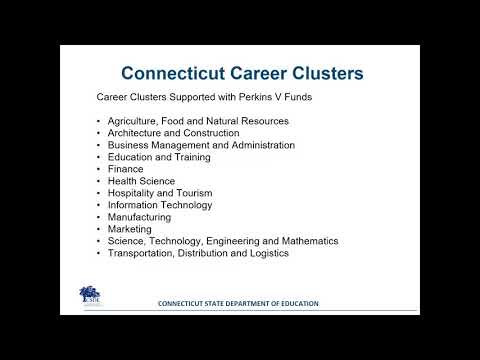
Perkins V champions several key programmatic areas designed to enhance the quality and relevance of CTE. These include developing programs of study that link secondary and postsecondary education, ensuring a seamless transition for students. There's a strong emphasis on building partnerships with employers to align curricula with industry needs and provide work-based learning opportunities, such as internships and apprenticeships. Furthermore, the act promotes the use of technology and innovative instructional methods to engage students and prepare them for modern workplaces. It also mandates the collection and use of performance data to measure program effectiveness and drive continuous improvement, ensuring that CTE remains a dynamic and impactful educational pathway.
⚖️ Perkins V vs. Previous Legislation
Compared to its predecessors, Perkins V (2018) represents a significant shift towards greater state and local flexibility and accountability. While earlier versions often dictated specific program requirements, Perkins V empowers states to design their own CTE systems, aligning with their unique economic landscapes and workforce needs. A major advancement is the increased focus on "programs of study" that integrate academic and technical knowledge, leading to recognized postsecondary credentials. The reauthorization also places a stronger emphasis on stakeholder engagement, requiring states to consult with employers, educators, and community members when developing their plans. This move from federal prescription to state-driven innovation is a defining characteristic of Perkins V, aiming for more responsive and effective CTE.
⭐ Impact & Effectiveness: The Vibe Score
The overall Vibe Score for Perkins V, as measured by its cultural energy and systemic impact, hovers around a solid 75/100. This score reflects its consistent, albeit sometimes debated, role in shaping vocational and technical education across the nation. Its strengths lie in its ability to direct federal resources towards critical workforce development needs and its adaptability to state-level priorities. However, the effectiveness of Perkins V is highly dependent on state implementation and the quality of local programs, leading to significant variation in outcomes. While it demonstrably improves access and opportunities for many, the challenge of ensuring equitable, high-quality CTE for all remains a persistent tension. The legislation's influence is undeniable, but its full potential is still being realized.
🤔 Criticisms & Controversies
Despite its widespread support, Perkins V is not without its critics and controversies. One persistent debate centers on the adequacy of federal funding, with many arguing that the allocated amounts are insufficient to meet the growing demand for high-quality CTE and the evolving needs of the workforce. There are also ongoing discussions about the metrics used to measure program success, with some advocating for broader indicators beyond traditional employment rates to capture the full value of CTE. Furthermore, ensuring equitable access and outcomes for all student populations, particularly those from underserved communities, remains a significant challenge. The tension between federal oversight and state autonomy also sparks debate regarding the best approach to national CTE policy. These discussions highlight the dynamic nature of education policy and the continuous effort to refine and improve federal initiatives.
🚀 The Future of Perkins V
The future of Perkins V is intrinsically linked to the evolving demands of the global economy and the ongoing digital transformation of industries. We can anticipate continued emphasis on emerging fields such as advanced manufacturing, cybersecurity, healthcare, and green technologies. The legislation will likely see further integration with workforce development initiatives, creating more direct pathways from education to employment. Expect increased focus on data analytics for program improvement and a greater push for innovative delivery models, including online and hybrid learning. The challenge will be to ensure Perkins V remains agile enough to adapt to rapid technological change and to proactively address future workforce needs, potentially through expanded apprenticeships and stronger industry partnerships. The success of future CTE hinges on its ability to anticipate and respond to these shifts.
📞 Getting Started with Perkins V
To get started with Perkins V, whether you're an educator, administrator, or student, the first step is to identify your state's specific CTE office and review their Perkins V State Plan. This document will detail the state's priorities, funding opportunities, and reporting requirements. For institutions, this often involves participating in grant application processes or developing proposals aligned with state goals. Students should consult their school counselors or career services departments to learn about available CTE programs and how they are supported by Perkins V funding. Many states also maintain websites with comprehensive information on CTE initiatives and resources. Connecting with your state's CTE network is crucial for accessing the full benefits of this legislation.
Key Facts
- Year
- 1963
- Origin
- United States Congress
- Category
- Education Policy
- Type
- Legislation
Frequently Asked Questions
What is the main goal of Perkins V?
The main goal of Perkins V is to strengthen career and technical education (CTE) programs across the United States. It aims to provide students with the skills and knowledge needed for high-skill, high-wage careers and further education. The legislation emphasizes preparing students for in-demand industries and fostering partnerships between secondary schools, postsecondary institutions, and employers.
How is Perkins V funding distributed?
Federal funding under Perkins V is allocated to states, which then distribute it to eligible secondary and postsecondary institutions. States develop comprehensive plans outlining how they will use these funds to improve CTE programs. Institutions typically apply for these funds through state-specific grant processes or formula-based allocations, with the goal of enhancing program quality and responsiveness to labor market needs.
Who are considered 'special populations' under Perkins V?
Special populations under Perkins V include students with disabilities, economically disadvantaged students, students in nontraditional fields, single parents, out-of-school youth, and English language learners. The legislation mandates that states develop strategies to ensure these students have equitable access to high-quality CTE programs and the support needed to succeed.
What are 'programs of study' in the context of Perkins V?
Programs of study are sequences of courses that integrate academic and technical instruction, leading to recognized postsecondary credentials or industry certifications. They are designed to provide students with a clear pathway from secondary to postsecondary education and ultimately to employment in a specific career field. Perkins V strongly encourages the development and implementation of these integrated programs.
How does Perkins V differ from previous versions of the Act?
Perkins V, reauthorized in 2018, grants states more flexibility and accountability in designing their CTE systems compared to earlier versions. It places a greater emphasis on 'programs of study,' stakeholder engagement (including employers), and the use of data to drive continuous improvement. The focus has shifted from federal prescription to state-driven innovation tailored to regional economic needs.
Can Perkins V funds be used for teacher training?
Yes, Perkins V funds can be used for professional development and training for educators involved in CTE. This includes improving their technical skills, pedagogical approaches, and understanding of industry needs. High-quality instruction is a cornerstone of effective CTE, and teacher training is a critical component supported by the Act.