
Contents
- 🔥 Immediate First Aid: The Critical First Minutes
- 💧 Rinsing: Your First Line of Defense
- 🩹 Dressing and Bandaging: Protecting the Injury
- 💊 Pain Management and Infection Prevention
- 🏥 When to Seek Professional Medical Help
- 📈 Long-Term Care and Scar Management
- 🔬 Understanding Different Chemical Burn Types
- 💡 Prevention: The Best Treatment of All
- Frequently Asked Questions
- Related Topics
Overview
Chemical burns demand swift, decisive action to minimize tissue damage. The immediate priority is to remove the chemical source and irrigate the affected area with copious amounts of water. Understanding the specific chemical involved is crucial, as different substances require tailored decontamination protocols. Prompt medical evaluation is non-negotiable, as severe burns necessitate specialized wound care, pain management, and potentially surgical intervention. Long-term recovery involves meticulous wound dressing, infection prevention, and rehabilitation to restore function and minimize scarring. This guide provides a practical framework for responding to chemical burns, from initial first aid to ongoing medical management.
🔥 Immediate First Aid: The Critical First Minutes
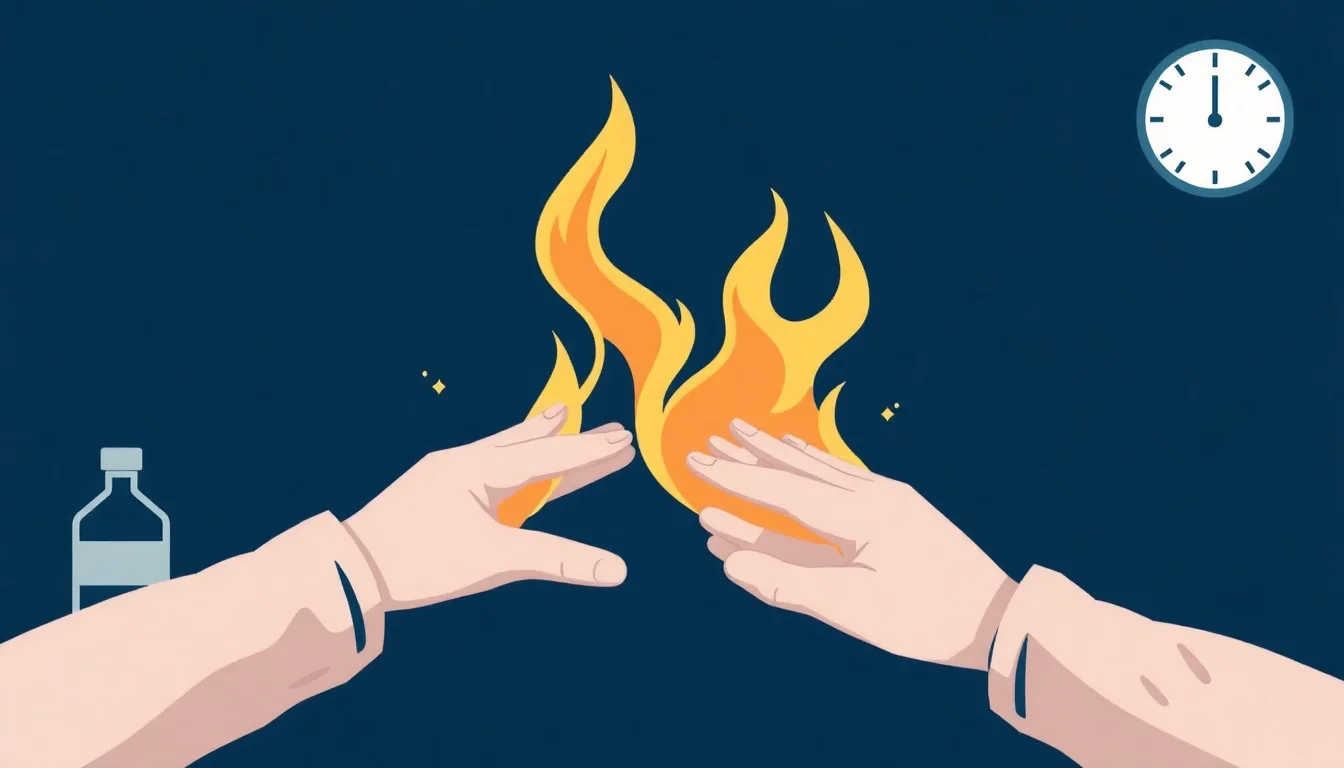
When a chemical burn occurs, the clock starts ticking. The immediate priority is to stop the chemical reaction and minimize tissue damage. This means swiftly removing any contaminated clothing or jewelry, being careful not to spread the chemical further. For dry chemicals, brush them off the skin before flushing with water. This initial action can drastically alter the severity of the burn, a fact often overlooked in the panic of the moment. The speed of your response directly impacts the long-term prognosis and potential for scarring.
💧 Rinsing: Your First Line of Defense
Flushing the affected area with copious amounts of cool, running water is paramount. Aim for at least 20 minutes, and ideally longer, depending on the chemical. This dilutes and washes away the corrosive substance, halting its destructive action. For eye burns, tilt the head so the contaminated eye is lower than the unaffected one, and flush from the nose outward. Never use neutralizing agents unless specifically instructed by poison control or medical professionals, as they can sometimes worsen the burn. This simple act of irrigation is the cornerstone of immediate chemical burn care.
🩹 Dressing and Bandaging: Protecting the Injury
After thorough flushing, protect the burn from further irritation and contamination. Use a sterile, non-stick dressing to cover the wound. Avoid fluffy cotton or materials that can shed fibers into the burn. If the burn is extensive, you might need to loosely secure the dressing with gauze or tape. For minor burns, a simple bandage might suffice. Proper wound dressing is crucial to prevent infection and promote healing, especially in the initial stages following the chemical exposure.
💊 Pain Management and Infection Prevention
Managing pain and preventing infection are key components of first aid for chemical burns. Over-the-counter pain relievers like ibuprofen or acetaminophen can help manage discomfort. For more severe burns, a doctor may prescribe stronger pain medication. Antibiotic ointments can be applied to prevent infection, especially if the skin barrier has been compromised. Always follow the advice of a medical professional regarding medication and wound care to avoid complications.
🏥 When to Seek Professional Medical Help
It's critical to know when to escalate care. Seek immediate medical attention if the burn is deep, covers a large area (larger than the palm of your hand), affects the face, hands, feet, joints, or genitals, or if you are unsure about the chemical involved. Any burn that causes blistering, severe pain, or numbness warrants a visit to the emergency room. Delaying professional treatment for significant chemical burns can lead to severe complications, including permanent tissue damage and systemic effects.
📈 Long-Term Care and Scar Management
Long-term care focuses on promoting healing, minimizing scarring, and restoring function. This may involve regular wound care, physical therapy, and specialized scar treatments like silicone sheets or massage. Dermatologists and plastic surgeons can offer options for improving the appearance and texture of scars. Patience is key; full recovery can take months or even years, and managing expectations is part of the healing process.
🔬 Understanding Different Chemical Burn Types
Different chemicals cause different types of burns. Acids, like sulfuric acid, cause coagulation necrosis, leading to a dry, leathery eschar. Alkalis, such as lye or ammonia, cause liquefaction necrosis, penetrating deeper and causing more severe damage. Oxidizing agents, like bleach, can cause burns through heat generation. Understanding the specific chemical agent involved can inform treatment decisions, though immediate flushing remains the universal first step. This knowledge is vital for effective medical intervention.
💡 Prevention: The Best Treatment of All
The most effective treatment for chemical burns is prevention. Always handle chemicals with appropriate personal protective equipment, such as gloves, eye protection, and protective clothing. Store chemicals safely and label them clearly. Ensure good ventilation when working with hazardous substances. Educating yourself and others about chemical safety can prevent painful and potentially life-altering injuries. This proactive approach to safety is always superior to reactive treatment.
Key Facts
- Year
- 2024
- Origin
- Vibepedia.wiki
- Category
- Health & Safety
- Type
- Resource Guide
Frequently Asked Questions
What is the very first thing I should do if I get a chemical burn?
Immediately remove any contaminated clothing or jewelry. Then, begin flushing the affected area with cool, running water for at least 20 minutes. This is the most critical step to stop the chemical reaction and minimize damage. If the chemical is dry, brush it off first before flushing.
Should I use a neutralizing agent on a chemical burn?
Generally, no. Unless specifically instructed by poison control or a medical professional, avoid using neutralizing agents. They can sometimes generate heat or cause a more severe reaction. Dilution with copious amounts of water is the safest and most effective initial treatment.
How long should I flush a chemical burn?
You should flush the burn with cool, running water for a minimum of 20 minutes. For certain chemicals, especially alkalis, longer flushing times (up to an hour) may be recommended by medical professionals. Continue flushing until medical help arrives if possible.
What kind of dressing should I use on a chemical burn?
After flushing, cover the burn with a sterile, non-stick dressing. Avoid fluffy materials like cotton that can adhere to the wound. Secure the dressing loosely with gauze or medical tape. This protects the burn from infection and further irritation.
When should I go to the emergency room for a chemical burn?
Seek immediate medical attention if the burn is deep, covers a large area, affects the face, hands, feet, joints, or genitals, or if you are unsure about the chemical. Any burn causing severe pain, blistering, or numbness also requires emergency care.
Can chemical burns cause long-term damage?
Yes, chemical burns can cause significant long-term damage, including permanent scarring, disfigurement, loss of function, and chronic pain. The severity depends on the type of chemical, its concentration, the duration of contact, and the speed and effectiveness of first aid and subsequent medical treatment.