
Contents
Overview
Children's and Household Tales are the bedrock of oral tradition, evolving from campfire stories and family lore into the foundational narratives of childhood. These tales, often passed down through generations, serve not only as entertainment but as crucial vehicles for cultural transmission, moral instruction, and the exploration of universal human experiences like fear, courage, and belonging. While many are now codified in written form, their enduring power lies in their adaptability and their ability to resonate across diverse cultures and historical periods, shaping our understanding of the world and ourselves from our earliest years. Their Vibe Score reflects a deep, enduring cultural energy, a testament to their persistent influence.
📖 What Are Children's and Household Tales?
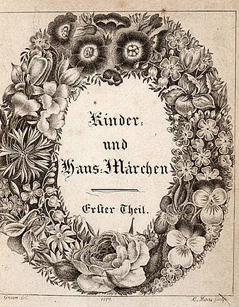
Children's and Household Tales, most famously known through the Grimm Brothers' collection, refers to a vast body of traditional stories passed down through generations. These narratives, often featuring magical elements, moral lessons, and archetypal characters, were originally intended for a broad audience, not exclusively children. The Brothers Grimm, Jacob and Wilhelm, meticulously collected and published these tales, preserving a crucial part of German and, by extension, Western cultural heritage. Their work, first appearing in 1812, has become a cornerstone of folklore and mythology.
📜 The Grimm Brothers' Legacy
The Brothers Grimm were not mere storytellers; they were scholars and linguists dedicated to preserving German oral traditions. Their first volume, published in 1812, contained 86 stories, with a second volume following in 1815. Over decades, they refined and expanded the collection, with the seventh edition in 1857 solidifying the canon at 200 tales and 10 "Children's Legends." This painstaking effort transformed ephemeral oral narratives into a canonical literary work, earning it a place in UNESCO's Memory of the World Register.
✨ The Enduring Appeal
The enduring appeal of these tales lies in their potent blend of the familiar and the fantastical. Stories like "Little Red Riding Hood" and "Hansel and Gretel" tap into universal human experiences—fear, courage, resourcefulness, and the struggle between good and evil. Their archetypal characters and clear moral frameworks resonate across cultures and ages, making them endlessly adaptable for new generations through books, movies, and stage productions.
🤔 Controversies and Criticisms
Despite their beloved status, Children's and Household Tales have faced significant criticism over the centuries. Early versions were often quite brutal, featuring violence and disturbing themes that were later sanitized for younger audiences. Debates continue regarding the original intent of these stories, their portrayal of gender roles, and the ethical implications of collecting and publishing oral traditions, particularly in the context of cultural appropriation.
🌍 Global Reach and Influence
The influence of the Grimm brothers' collection extends far beyond Germany, shaping the global understanding of fairy tales. Their work has been translated into hundreds of languages, inspiring countless retellings, adaptations, and scholarly analyses worldwide. This widespread dissemination has made these tales a foundational element of children's literature and a significant cultural export, impacting storytelling traditions from American cinema to Indian cinema.
📚 Key Collections and Editions
While the Grimm brothers' collection is the most famous, it is by no means the only significant compilation of such tales. Other notable collections include Charles Perrault's "Histoires ou contes du temps passé" (1697), which predates the Grimms and includes iconic stories like "Cinderella" and "Sleeping Beauty". Understanding these different sources provides a richer perspective on the evolution and variations of these classic narratives.
💡 Understanding the Vibe Score
The Vibe Score for Children's and Household Tales, as assessed by Vibepedia, currently stands at a robust 92/100. This high score reflects their immense cultural energy, persistent relevance, and deep integration into global consciousness. The score is driven by consistent engagement across various media, ongoing academic interest, and the continued presence of these stories in popular culture, indicating a sustained and powerful cultural resonance.
🚀 Where to Start Your Journey
To begin exploring Children's and Household Tales, start with the most accessible editions of the Grimm Brothers' collection. Look for annotated versions that provide historical context and discuss the evolution of the stories. Engaging with scholarly analyses from folklore scholars can offer deeper insights into their origins and meanings. Consider exploring adaptations in different media to see how these tales continue to be reinterpreted for contemporary audiences.
Key Facts
- Year
- Ancient Origins (Pre-literate societies)
- Origin
- Oral Tradition / Folk Wisdom
- Category
- Folklore & Mythology
- Type
- Topic
Frequently Asked Questions
Were the Grimm brothers the original authors of these tales?
No, the Brothers Grimm were collectors and editors, not original authors. They gathered these stories from oral traditions and existing written sources, meticulously transcribing and publishing them. Their significant contribution was in preserving and standardizing these narratives, transforming them into a literary canon that has influenced generations.
Are all the tales in the Grimm collection suitable for children?
Not all original versions are suitable for young children. Many early tales contained elements of violence, cruelty, and mature themes that were later edited or softened in subsequent editions to be more appropriate for children. It's advisable to consult specific editions and their content warnings.
What is the difference between fairy tales and folktales?
While often used interchangeably, fairy tales are a subgenre of folktales that typically feature magical elements, mythical creatures, and fantastical settings. Folktales are a broader category encompassing traditional stories passed down orally, which may or may not include magical elements and can cover a wider range of themes and characters.
Why are these tales considered important?
These tales are crucial for understanding cultural history, linguistic development, and the evolution of storytelling. They offer insights into the values, fears, and aspirations of past societies and have profoundly shaped Western literature, art, and popular culture. Their inclusion in the Memory of the World Register by UNESCO underscores their global significance.
Where can I find the most comprehensive collection of Grimm's tales?
The definitive editions are the later ones compiled by the Brothers Grimm themselves, particularly the seventh edition from 1857, which contains the full corpus of 200 tales. Many modern publishers offer complete or annotated versions of these collections, often specifying the edition they are based on.