
Contents
- 🏥 Introduction to Cholesterol
- 📍 Location & Function in the Body
- 💡 The Double-Edged Nature of Cholesterol
- 📊 Cholesterol Levels and Health Implications
- 🍴 Dietary Sources and Impact on Cholesterol
- 🏋️♀️ Lifestyle Factors and Cholesterol Management
- 👨⚕️ Medical Treatment and Management Options
- 📈 Current Research and Future Directions
- 🤝 Comparison with Other Health Markers
- 📊 Getting Tested and Understanding Results
- 📝 Practical Tips for Cholesterol Management
- Frequently Asked Questions
- Related Topics
Overview
Cholesterol is a vital component of human biology, yet its role in health and disease is multifaceted and often misunderstood. With a vibe score of 8, cholesterol sparks intense debate among medical professionals, researchers, and the general public. The American Heart Association reports that over 93 million American adults have high cholesterol, contributing to a significant risk of heart disease. However, some researchers, like Dr. Uffe Ravnskov, argue that the link between cholesterol and heart disease is not as clear-cut as previously thought. The controversy surrounding cholesterol is reflected in its influence flows, with key figures like Dr. Atkins and Dr. Ornish influencing the low-carb and low-fat diet trends, respectively. As our understanding of cholesterol evolves, it's essential to consider the topic intelligence, including key events like the introduction of statins in the 1980s and the ongoing debate over the benefits and risks of cholesterol-lowering medications.
🏥 Introduction to Cholesterol
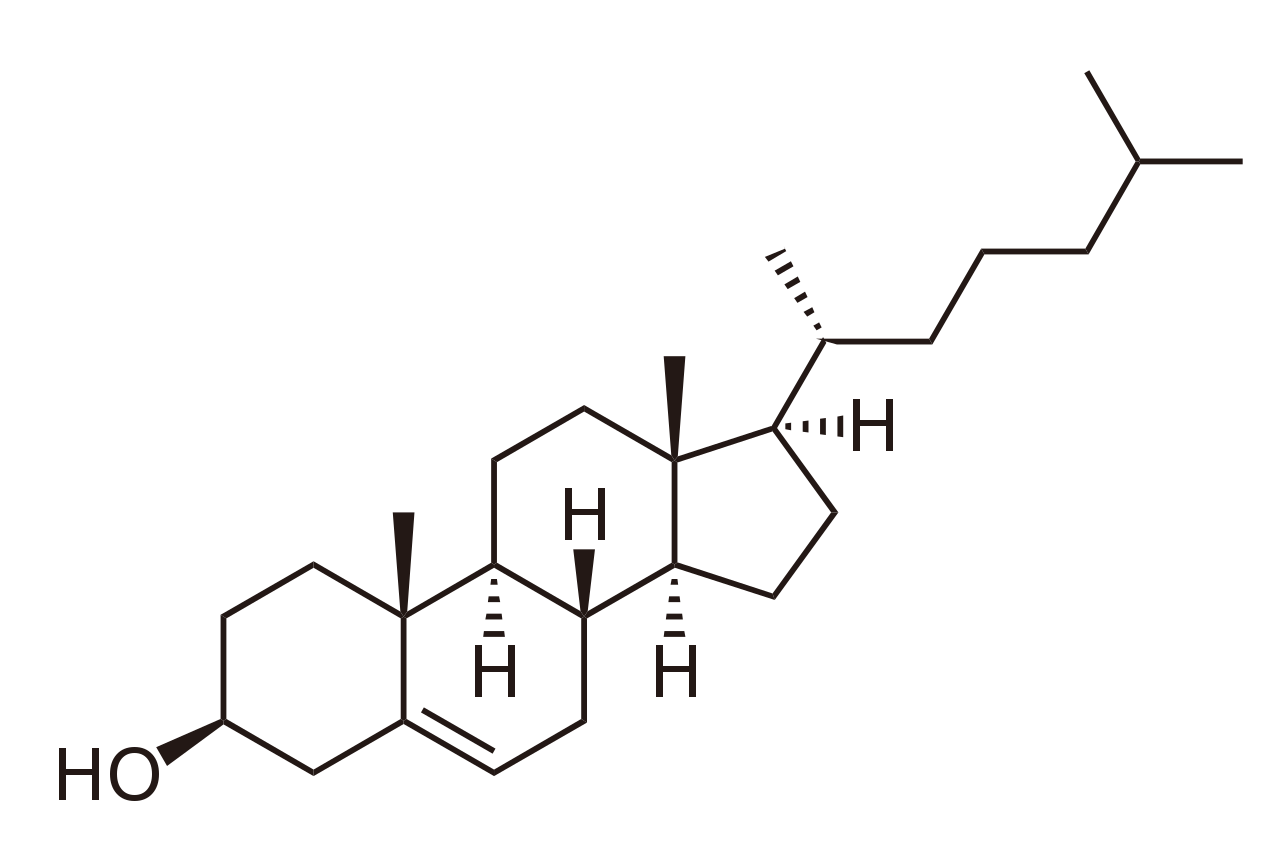
Cholesterol is a vital component of the human body, serving as the principal sterol of all animals. It is distributed in body tissues, especially the Brain and Spinal Cord, and in animal fats and oils. As a crucial molecule, cholesterol plays a central role in various bodily functions, including the production of Hormones and the maintenance of cell membranes. However, its double-edged nature has sparked intense debate and research in the scientific community, with some experts arguing that high levels of cholesterol can increase the risk of Heart Disease and Stroke.
📍 Location & Function in the Body
Cholesterol is primarily produced in the Liver and is then transported to other parts of the body via the bloodstream. It is an essential component of cell membranes, helping to maintain their structure and fluidity. Additionally, cholesterol is a precursor to the production of Bile Acids, which are crucial for the digestion and absorption of fats. The brain and spinal cord are particularly rich in cholesterol, with some estimates suggesting that they contain up to 25% of the body's total cholesterol content. This highlights the importance of cholesterol in maintaining proper Neurological Function and overall health.
💡 The Double-Edged Nature of Cholesterol
The double-edged nature of cholesterol is a topic of ongoing discussion and research. On one hand, cholesterol is essential for various bodily functions, including the production of hormones such as Testosterone and Estrogen. On the other hand, high levels of cholesterol, particularly low-density lipoprotein (LDL) cholesterol, can increase the risk of cardiovascular disease. This has led to the development of various treatments and management strategies, including Statins and other cholesterol-lowering medications. However, some experts argue that the benefits of these treatments may be overstated, and that a more nuanced approach to cholesterol management is needed, taking into account individual factors such as Diet and Lifestyle.
📊 Cholesterol Levels and Health Implications
Cholesterol levels and their implications for health are complex and multifaceted. The American Heart Association recommends that adults have their cholesterol levels checked every 5 years, starting at age 20. High levels of LDL cholesterol, often referred to as 'bad' cholesterol, can increase the risk of cardiovascular disease, while high levels of high-density lipoprotein (HDL) cholesterol, or 'good' cholesterol, can help to reduce this risk. Additionally, Triglycerides, a type of fat found in the blood, can also impact cardiovascular health. Understanding these different types of cholesterol and their relationships to overall health is crucial for developing effective management strategies, including Meditation and other stress-reducing techniques.
🍴 Dietary Sources and Impact on Cholesterol
Dietary sources of cholesterol, such as Eggs and Red Meat, can impact cholesterol levels, but the relationship between diet and cholesterol is more complex than previously thought. While some studies have suggested that dietary cholesterol has a limited impact on blood cholesterol levels, others have found that certain nutrients, such as Saturated Fats and Trans Fats, can have a more significant effect. Additionally, Fiber and other nutrients can help to lower cholesterol levels and improve overall cardiovascular health. A balanced diet that takes into account individual nutritional needs and health goals is essential for maintaining healthy cholesterol levels, and may involve consulting with a registered Dietitian or other healthcare professional.
🏋️♀️ Lifestyle Factors and Cholesterol Management
Lifestyle factors, such as Exercise and Smoking, can also impact cholesterol levels and overall cardiovascular health. Regular physical activity, such as Aerobics or Strength Training, can help to raise HDL cholesterol and lower LDL cholesterol, while smoking can increase the risk of cardiovascular disease. Additionally, Stress and other emotional factors can impact cholesterol levels and overall health, highlighting the importance of developing effective stress management strategies, such as Yoga or Mindfulness. By making informed lifestyle choices and developing healthy habits, individuals can take a proactive approach to managing their cholesterol levels and reducing their risk of cardiovascular disease.
👨⚕️ Medical Treatment and Management Options
Medical treatment and management options for high cholesterol are varied and depend on individual factors, such as the severity of the condition and the presence of other health risks. Statins are commonly prescribed to lower LDL cholesterol, but other medications, such as Bile Acid Sequestrants and Niacin, may also be used. In some cases, lifestyle modifications, such as dietary changes and increased physical activity, may be sufficient to manage cholesterol levels and reduce the risk of cardiovascular disease. However, for individuals with more severe or complex cases of high cholesterol, a combination of medical treatment and lifestyle modifications may be necessary, and may involve working with a healthcare team, including a Primary Care Physician and a Cardiologist.
📈 Current Research and Future Directions
Current research and future directions in the field of cholesterol and cardiovascular health are focused on developing a more nuanced understanding of the complex relationships between cholesterol, diet, lifestyle, and overall health. The development of new treatments and management strategies, such as Gene Therapy and Personalized Medicine, holds promise for improving outcomes for individuals with high cholesterol and related conditions. Additionally, a greater emphasis on preventive care and early intervention, including Health Screenings and Risk Assessment, may help to reduce the burden of cardiovascular disease and improve overall public health, and may involve collaboration between healthcare professionals, Public Health Officials, and other stakeholders.
🤝 Comparison with Other Health Markers
In comparison to other health markers, such as Blood Pressure and Blood Glucose, cholesterol is a complex and multifaceted indicator of cardiovascular health. While high blood pressure and blood glucose levels can increase the risk of cardiovascular disease, cholesterol levels provide a more nuanced understanding of the underlying factors contributing to this risk. By considering cholesterol levels in conjunction with other health markers and risk factors, individuals can develop a more comprehensive understanding of their overall health and take proactive steps to reduce their risk of cardiovascular disease, and may involve working with a Health Coach or other healthcare professional.
📊 Getting Tested and Understanding Results
Getting tested and understanding the results of cholesterol tests can be a complex and intimidating process. However, by working with a healthcare provider and taking the time to understand the different components of a cholesterol test, including LDL, HDL, and triglycerides, individuals can gain a better understanding of their cholesterol levels and develop effective management strategies. This may involve tracking progress over time, using tools such as Cholesterol Trackers or Health Journals, and making adjustments to diet and lifestyle as needed, and may also involve consulting with a Registered Dietitian or other healthcare professional.
📝 Practical Tips for Cholesterol Management
Practical tips for cholesterol management include developing a balanced diet that takes into account individual nutritional needs and health goals, engaging in regular physical activity, and managing stress and other emotional factors. Additionally, getting enough Sleep and maintaining a healthy Weight can help to support overall cardiovascular health and reduce the risk of cardiovascular disease. By taking a proactive and informed approach to cholesterol management, individuals can reduce their risk of cardiovascular disease and improve their overall health and well-being, and may involve working with a Healthcare Team or other support system.
Key Facts
- Year
- 1815
- Origin
- First isolated by French chemist Michel Eugène Chevreul
- Category
- Health and Medicine
- Type
- Biological Compound
Frequently Asked Questions
What is the difference between LDL and HDL cholesterol?
LDL, or low-density lipoprotein, cholesterol is often referred to as 'bad' cholesterol, as high levels can increase the risk of cardiovascular disease. HDL, or high-density lipoprotein, cholesterol, on the other hand, is often referred to as 'good' cholesterol, as high levels can help to reduce this risk. Understanding the difference between these two types of cholesterol is crucial for developing effective management strategies and reducing the risk of cardiovascular disease. This may involve working with a Healthcare Provider or other healthcare professional to develop a personalized plan.
How often should I have my cholesterol levels checked?
The American Heart Association recommends that adults have their cholesterol levels checked every 5 years, starting at age 20. However, individuals with a family history of high cholesterol or other risk factors may need to have their levels checked more frequently. This may involve working with a Primary Care Physician or other healthcare professional to develop a personalized plan.
What are the benefits of statins in managing high cholesterol?
Statins are a type of medication that can help to lower LDL cholesterol levels and reduce the risk of cardiovascular disease. They work by inhibiting the production of cholesterol in the liver and increasing the removal of LDL cholesterol from the bloodstream. While statins can be effective in managing high cholesterol, they may also have side effects, such as Muscle Pain and Liver Damage. Individuals should work with their healthcare provider to weigh the benefits and risks of statin therapy and develop a personalized treatment plan, and may involve consulting with a Pharmacist or other healthcare professional.
Can diet and lifestyle changes alone be enough to manage high cholesterol?
In some cases, diet and lifestyle changes may be sufficient to manage high cholesterol and reduce the risk of cardiovascular disease. This may involve developing a balanced diet, engaging in regular physical activity, and managing stress and other emotional factors. However, for individuals with more severe or complex cases of high cholesterol, medical treatment may also be necessary. Working with a healthcare provider to develop a comprehensive treatment plan that takes into account individual needs and health goals is essential, and may involve working with a Registered Dietitian or other healthcare professional.
What are the risks of high cholesterol if left untreated?
If left untreated, high cholesterol can increase the risk of cardiovascular disease, including heart attacks, strokes, and other cardiovascular events. High cholesterol can also increase the risk of peripheral artery disease, which can lead to pain and cramping in the legs. Additionally, high cholesterol can increase the risk of kidney disease and other health problems. Working with a healthcare provider to develop a comprehensive treatment plan and manage high cholesterol is essential for reducing these risks and improving overall health and well-being, and may involve working with a Healthcare Team or other support system.
How can I track my cholesterol levels and progress over time?
Tracking cholesterol levels and progress over time can be done by working with a healthcare provider and using tools such as cholesterol trackers or health journals. This can help individuals to monitor their progress, identify areas for improvement, and make adjustments to their diet and lifestyle as needed. Additionally, regular health screenings and check-ups with a healthcare provider can help to ensure that cholesterol levels are being effectively managed and that any changes or concerns are addressed in a timely manner, and may involve working with a Health Coach or other healthcare professional.
What are the benefits of working with a healthcare team to manage high cholesterol?
Working with a healthcare team, including a primary care physician, cardiologist, and registered dietitian, can provide individuals with a comprehensive and personalized approach to managing high cholesterol. This can include developing a tailored treatment plan, monitoring progress over time, and making adjustments as needed. Additionally, a healthcare team can provide individuals with the support and guidance they need to make lifestyle changes and manage their cholesterol levels effectively, and may involve working with a Pharmacist or other healthcare professional.