
Contents
- 🍒 What is Coffee Pulping?
- ⚙️ The Mechanics: How it Works
- 💧 Wet vs. Dry: The Great Divide
- 📈 Vibe Score: The Cultural Energy of Pulping
- 🤔 The Skeptic's Corner: Pulping's Downsides
- 💡 Innovations & The Future
- 🌍 Global Impact & Regional Differences
- 💰 Cost & Investment Considerations
- ✅ Choosing Your Pulping Method
- 📚 Further Reading & Resources
- Frequently Asked Questions
- Related Topics
Overview
Coffee pulping is the crucial first step in processing coffee cherries, separating the outer fruit pulp from the inner bean (seed). This isn't just a mechanical task; it's a gateway to flavor development, dictating much of the final cup's character. From the moment the ripe cherry is picked, its fate is tied to how efficiently and effectively this pulping process is executed. Understanding pulping is fundamental for anyone serious about the journey from farm to cup, impacting everything from shelf life to the nuanced Coffee Flavor Profile that coffee enthusiasts chase. It's the initial, often overlooked, transformation that sets the stage for all subsequent processing stages.
⚙️ The Mechanics: How it Works
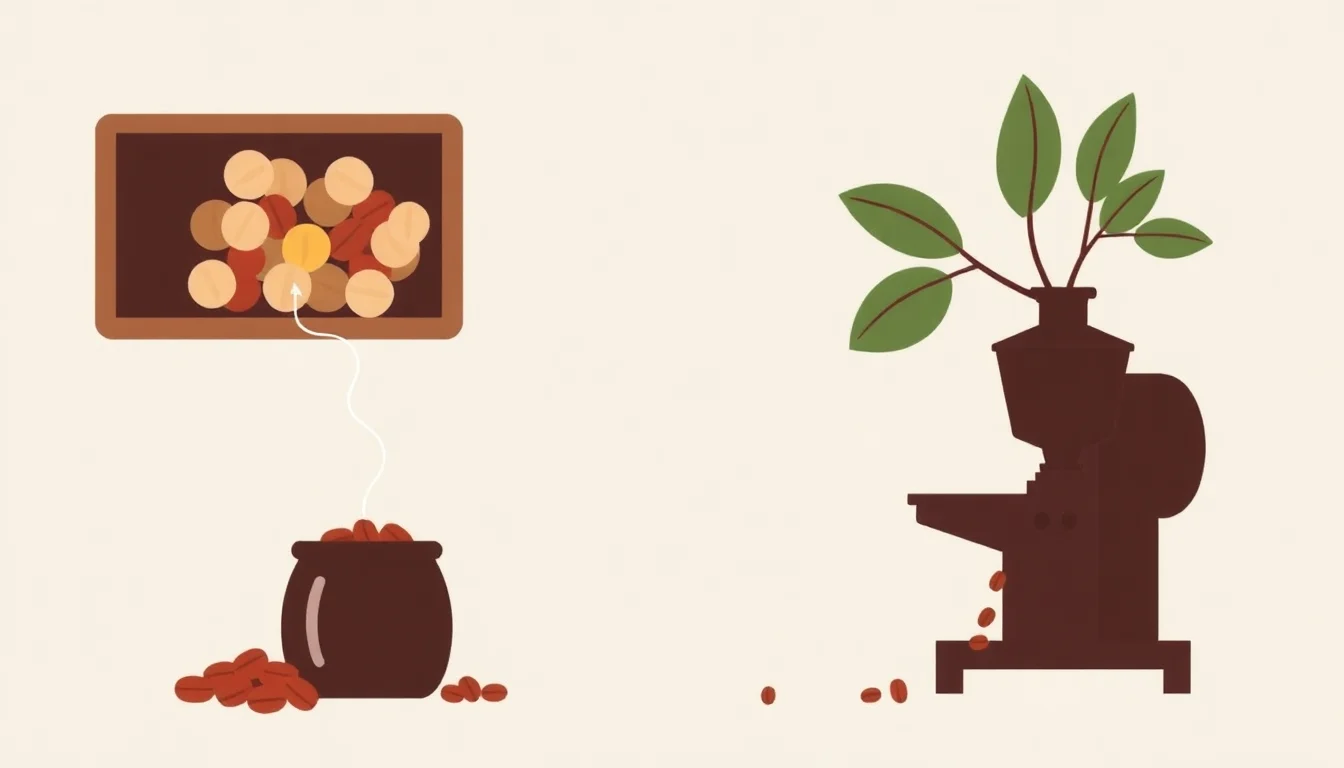
At its heart, pulping involves mechanical action to remove the mucilage and skin. Small-scale operations might use hand-cranked depulpers, while larger estates employ sophisticated, often automated, machines. These devices typically use rotating drums or abrasive surfaces to rub the pulp off the bean. The goal is to remove the fruit without damaging the bean's parchment layer, which protects it during drying. The efficiency of this mechanical separation directly influences the amount of water needed and the subsequent drying time, both critical factors in Coffee Quality Control.
💧 Wet vs. Dry: The Great Divide
The two dominant pulping paradigms are the Wet Coffee Processing and the Dry Coffee Processing. The wet method, often favored for its ability to produce cleaner, brighter coffees, involves washing the cherries to remove pulp and mucilage, sometimes with fermentation tanks. The dry method, conversely, involves drying the whole cherry before removing the outer layers, a more traditional approach yielding coffees with heavier body and fruitier notes. Each method has distinct implications for water usage, labor, and the final Coffee Flavor Profile.
📈 Vibe Score: The Cultural Energy of Pulping
The Vibe Score for coffee pulping hovers around 75/100, reflecting its foundational importance and the passionate debates it ignites. It's a critical node in the Coffee Supply Chain, influencing everything from farmer livelihoods to the quality perceived by consumers. The cultural energy is high, particularly among specialty coffee producers and roasters who meticulously track processing methods. This score acknowledges the technical skill involved, the historical significance of different methods, and the ongoing quest for optimal flavor extraction, making it a vibrant, if sometimes contentious, part of the coffee world.
🤔 The Skeptic's Corner: Pulping's Downsides
The skeptic's lens reveals that pulping isn't without its drawbacks. The wet process, while celebrated for clarity, is notoriously water-intensive, a significant concern in water-scarce regions and a point of contention for Sustainable Coffee Farming advocates. Furthermore, improper pulping can lead to bean damage, increasing susceptibility to defects and spoilage. The economic barrier to entry for advanced pulping machinery can also marginalize smallholder farmers, creating a Coffee Industry Economics within the industry. The environmental footprint, particularly concerning wastewater from wet processing, remains a persistent challenge.
💡 Innovations & The Future
The future of coffee pulping is being shaped by a drive for efficiency and sustainability. Innovations include water-saving depulpers, improved mucilage removal techniques that reduce fermentation times, and even methods that aim to re-purpose the fruit pulp as fertilizer or Coffee Byproduct Utilization. The rise of Eco-Pulper Technology and research into enzymatic mucilage breakdown signal a move towards less resource-intensive processing. These advancements aim to balance quality with environmental responsibility, potentially reshaping regional processing preferences and Coffee Production Costs.
🌍 Global Impact & Regional Differences
Regional differences in pulping are stark, often dictated by climate, water availability, and tradition. Ethiopia, the birthplace of coffee, predominantly uses the dry process, contributing to its unique flavor profiles. Central American countries often favor the wet process for their bright, acidic coffees. In Brazil, with its vast scale, both methods are employed, with a significant portion of production utilizing mechanical dryers after initial pulping. These variations underscore how pulping is not a one-size-fits-all solution but a technique adapted to local Coffee Growing Regions.
💰 Cost & Investment Considerations
The investment in pulping equipment varies wildly. A basic hand-crank depulper might cost a few hundred dollars, suitable for a smallholder or a hobbyist. Commercial-grade depulpers, capable of processing hundreds of kilograms per hour, can range from $2,000 to $10,000 or more, depending on automation and capacity. Larger, industrial processing plants with integrated pulping, washing, and drying systems represent a significant capital expenditure, often exceeding $50,000. The return on investment is tied directly to improved bean quality, reduced spoilage, and increased processing efficiency, impacting Coffee Farmer Income.
✅ Choosing Your Pulping Method
Deciding on a pulping method hinges on several factors: your available resources (water, electricity, capital), your desired coffee profile, and your local environmental regulations. For smallholders with limited water, the dry method or a low-water wet process might be ideal. Specialty producers aiming for bright, clean cups often lean towards efficient wet processing. If you're experimenting, a small, manual depulper is an accessible starting point. Always consider the Coffee Drying Methods and how they integrate with your chosen pulping technique for optimal results.
📚 Further Reading & Resources
For those seeking to deepen their understanding of coffee pulping, several avenues exist. The Specialty Coffee Association offers extensive training and resources on processing. Books like 'The Coffee Cupper's Handbook' by the SCA and 'World Atlas of Coffee' by James Hoffmann provide foundational knowledge. Academic journals in Food Science and Agricultural Engineering offer in-depth research. Engaging with producers and attending industry conferences are invaluable for practical insights into the latest techniques and challenges.
Key Facts
- Year
- 1850
- Origin
- Brazil
- Category
- Agriculture & Food Science
- Type
- Process
Frequently Asked Questions
What is the main difference between wet and dry pulping?
The primary distinction lies in how the pulp is removed. Wet pulping involves washing the cherries to remove pulp and mucilage, often followed by fermentation, yielding cleaner, brighter coffees. Dry pulping involves drying the whole cherry first, then mechanically removing the dried husk and pulp, typically resulting in coffees with more body and fruit-forward notes. Each method has significant implications for water usage and the final cup profile.
Can I pulp coffee cherries at home?
Yes, it's possible, especially for small batches. You can use a simple hand-cranked depulper, which is relatively inexpensive. For very small quantities, some resourceful individuals have even adapted kitchen tools, though this is less efficient and risks bean damage. The key is to ensure the beans are not bruised and that the parchment layer remains intact.
How much water is needed for wet pulping?
Water requirements for wet pulping can be substantial, ranging from 5 to 20 liters of water per kilogram of coffee cherries, depending on the efficiency of the machinery and the washing stages. This high water demand is a major environmental concern, driving innovation in water-saving technologies and alternative processing methods.
What happens to the coffee pulp after pulping?
Traditionally, coffee pulp was often discarded or used as low-grade fertilizer. However, there's a growing movement to utilize coffee byproducts. Pulp can be composted, used to create Coffee Byproduct Utilization, or even processed into Biofuel or animal feed. Some innovative producers are exploring its use in creating new food products or even Coffee Byproduct Utilization.
Does pulping affect coffee shelf life?
Yes, pulping significantly impacts shelf life. Improper pulping can damage the bean, making it more susceptible to mold and spoilage. The method of pulping and subsequent drying also plays a role. For instance, coffees processed using the dry method, which involves drying the whole cherry, can sometimes have a longer shelf life due to the protective husk, though proper drying is paramount for both methods.
What is mucilage, and why is it removed during pulping?
Mucilage is a sticky, gummy layer found between the parchment and the outer skin of the coffee cherry. It's rich in sugars and pectin. Removing it is crucial because it can ferment rapidly and negatively impact the coffee's flavor if not handled correctly. The method of mucilage removal (e.g., washing, fermentation, mechanical scrubbing) is a key determinant of the final coffee's taste.