
Contents
- 🛋️ What Exactly *Is* a Coffee Table?
- 📐 Sizing Up Your Space: The Golden Rules
- 🪵 Material World: From Wood to Wonder
- ✨ Style Spectrum: Finding Your Vibe
- 📚 Beyond the Basics: Storage & Functionality
- 💡 The Coffee Table as a Conversation Starter
- 🛒 Where to Find Your Perfect Match
- 💰 Investment vs. Impulse: What's Your Budget?
- 🤔 Coffee Table vs. Other Living Room Hubs
- 🌟 Top Picks for Every Aesthetic
- Frequently Asked Questions
- Related Topics
Overview
The coffee table, a seemingly simple piece of furniture, boasts a surprisingly rich history, evolving from its humble Ottoman roots as a low, portable tray to a central fixture in modern living rooms. Its primary function has always been convenience – a surface for drinks, books, and remotes – but its design has mirrored societal shifts, from the ornate styles of the Victorian era to the minimalist aesthetics of the mid-century modern movement. Today, the coffee table is a critical element in defining a room's vibe, offering opportunities for personal expression through curated decor and serving as a functional anchor for social gatherings. Its evolution reflects changing domestic habits and design philosophies, making it a surprisingly dynamic object in the domestic sphere.
🛋️ What Exactly *Is* a Coffee Table?
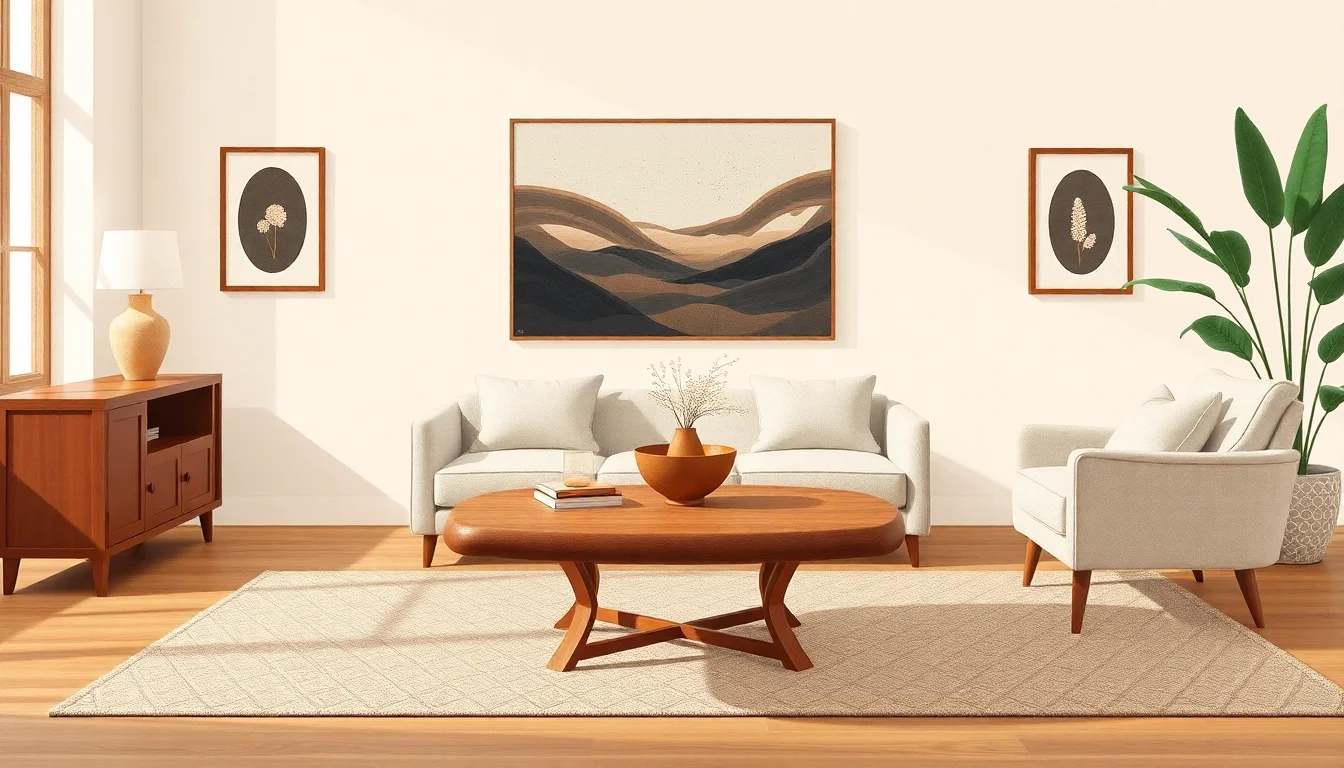
Forget the notion of a coffee table as mere furniture. This low-slung centerpiece in your living room is the unsung hero of your social and relaxation zones. Its primary function, as any interior designer will tell you, is to provide a convenient surface for life's little necessities: that steaming mug of coffee, the ever-elusive TV remote, a stack of your favorite books, or simply a place to rest your feet after a long day. It anchors the seating arrangement, defining the conversational space and acting as a visual focal point. Without it, your sofa and armchairs would feel adrift, a collection of disparate elements rather than a cohesive whole.
📐 Sizing Up Your Space: The Golden Rules
The cardinal sin of coffee table selection? Getting the size wrong. Too large, and it overwhelms the room, creating a traffic hazard. Too small, and it looks lost, failing to serve its purpose. The general rule of thumb, often cited by furniture retailers and home staging experts, is that your coffee table should be about two-thirds the length of your sofa. It should also be positioned at a comfortable distance, typically 14-18 inches, from the seating. This ensures easy access without making you feel like you're reaching across a chasm. Consider the traffic flow in your room; you need ample space to navigate around it.
🪵 Material World: From Wood to Wonder
The material of your coffee table profoundly impacts its aesthetic and durability. Classic choices like solid wood—oak, walnut, mahogany—offer warmth and timeless appeal, often found in traditional or rustic settings. glass tops, paired with metal or wood bases, lend an air of sophistication and can make a smaller space feel larger by reflecting light. For a more industrial or modern edge, consider metal (like steel or iron) or even concrete. Upholstered ottomans, while technically not tables, serve a similar function and add a plush, comfortable element, often seen in more relaxed, bohemian, or contemporary designs.
✨ Style Spectrum: Finding Your Vibe
Your coffee table is a powerful style statement. A mid-century modern piece with tapered legs and clean lines can complement a minimalist or retro-inspired room. A rustic, reclaimed wood table with visible grain and imperfections screams farmhouse chic. For the ultra-modernist, a geometric, perhaps even sculptural, table in a high-gloss finish or unexpected material might be the ticket. Don't be afraid to let your coffee table be a reflection of your personal style, whether that's Scandinavian simplicity, industrial grit, or eclectic maximalism.
📚 Beyond the Basics: Storage & Functionality
Modern coffee tables are increasingly designed with dual purposes in mind, especially for those living in smaller apartments or seeking to maximize utility. Look for tables with built-in storage solutions like drawers, shelves, or lift-tops. A lift-top coffee table, a favorite among minimalist living enthusiasts, can transform into a makeshift desk or dining surface, perfect for those impromptu work-from-home sessions or casual meals. Hidden compartments are also a godsend for stashing remotes, coasters, and other small items, keeping your living area clutter-free.
💡 The Coffee Table as a Conversation Starter
More than just a surface, a well-chosen coffee table can be a dynamic element that sparks conversation. The objects you display upon it—a curated selection of art books, a unique sculpture, a collection of vintage coasters, or a striking vase with fresh flowers—tell a story about your interests and personality. It's a canvas for your creativity, a place where personal touches can elevate the everyday. Think of it as the stage for your living room's narrative, inviting guests to engage with your curated world.
🛒 Where to Find Your Perfect Match
The hunt for the perfect coffee table can take you down several avenues. Large furniture chains like IKEA and West Elm offer a wide range of styles and price points, from budget-friendly to mid-range. For unique, artisanal pieces, explore independent furniture makers or local craft fairs. Online marketplaces such as Etsy and Chairish are treasure troves for vintage finds and custom designs. Don't underestimate the power of secondhand stores and flea markets for discovering hidden gems that offer character and value.
💰 Investment vs. Impulse: What's Your Budget?
The price of a coffee table can range from under $100 for a basic particleboard model to several thousand dollars for a designer piece crafted from exotic hardwoods or featuring intricate metalwork. Before you fall in love with a table, establish a realistic budget. Consider the materials, craftsmanship, and brand reputation. A well-made, solid wood table might cost more upfront but will likely last for decades, proving to be a better long-term investment than a cheaper, less durable option. Factor in potential delivery fees and assembly costs as well.
🤔 Coffee Table vs. Other Living Room Hubs
While the coffee table reigns supreme in many living rooms, it's not the only option for anchoring a seating area. ottomans, particularly those with flat tops or built-in trays, offer a softer, more versatile alternative, doubling as extra seating or a footrest. Some modern designs opt for a pair of smaller side tables instead of a single large coffee table, offering more flexibility and easier movement. For very minimalist spaces, a simple rug might suffice, with side tables providing the necessary surface area. Each choice offers a different vibe and functional emphasis.
🌟 Top Picks for Every Aesthetic
For the minimalist seeking clean lines, a floating coffee table or a simple, low-profile rectangular table in a light wood or white finish is ideal. If your style leans towards industrial chic, a metal-framed table with a concrete or distressed wood top, perhaps from brands like CB2, will fit perfectly. For a touch of bohemian flair, consider an intricately carved wooden table or a round, Moroccan-inspired piece. Those who love a bit of glam might gravitate towards a mirrored table or one with brass accents, often found at retailers like Wayfair.
Key Facts
- Year
- Circa 18th Century (modern form)
- Origin
- Ottoman Empire (precursor)
- Category
- Home Goods / Interior Design
- Type
- Object
Frequently Asked Questions
What's the ideal height for a coffee table?
The standard height for a coffee table is typically 16-18 inches. It should generally be the same height as, or slightly lower than, the seat height of your sofa. This ensures comfortable reach for drinks and remotes without requiring you to overextend. Too high, and it feels awkward; too low, and it becomes inconvenient. Always measure your sofa's seat height before purchasing to ensure a good match.
How do I choose the right shape for my coffee table?
The shape depends on your room layout and lifestyle. Rectangular tables are classic and work well with standard sofas. Round or oval tables are excellent for smaller spaces or rooms with a lot of traffic, as they eliminate sharp corners and promote smoother flow. Square tables can work well with sectional sofas or in square rooms. Consider the overall geometry of your living area when making your choice.
Can a coffee table be too big for a room?
Absolutely. A coffee table that's too large can make a room feel cramped and obstruct movement. As a general guideline, it shouldn't be longer than two-thirds the length of your sofa. Ensure there's at least 14-18 inches of space between the table and the seating for comfortable legroom and passage. Measure your space carefully before buying.
What are the most durable materials for a coffee table?
For maximum durability, solid hardwoods like oak, maple, or walnut are excellent choices. Metal tables, especially those with powder-coated finishes, are also very robust. For surfaces, tempered glass is surprisingly durable and resistant to scratches, though it can chip if hit hard. Avoid particleboard or MDF if longevity is your primary concern, as these are more susceptible to damage.
How should I arrange items on my coffee table?
Curate thoughtfully. Aim for a mix of heights and textures. Include functional items like coasters and a tray to corral smaller objects. Add decorative elements such as a stack of books, a small plant, a candle, or a piece of art. Don't overcrowd the surface; negative space is important. Rotate items seasonally or when you want a refresh to keep the look dynamic.
Is an ottoman a good alternative to a coffee table?
Yes, an ottoman can be a fantastic alternative, especially for a softer, more relaxed feel. Many ottomans can serve the same purpose, and some come with built-in storage or removable trays that function like a tabletop. They also offer extra seating and are safer in homes with young children due to their lack of hard edges. However, they may not provide as stable a surface for drinks without a tray.