
Contents
Overview
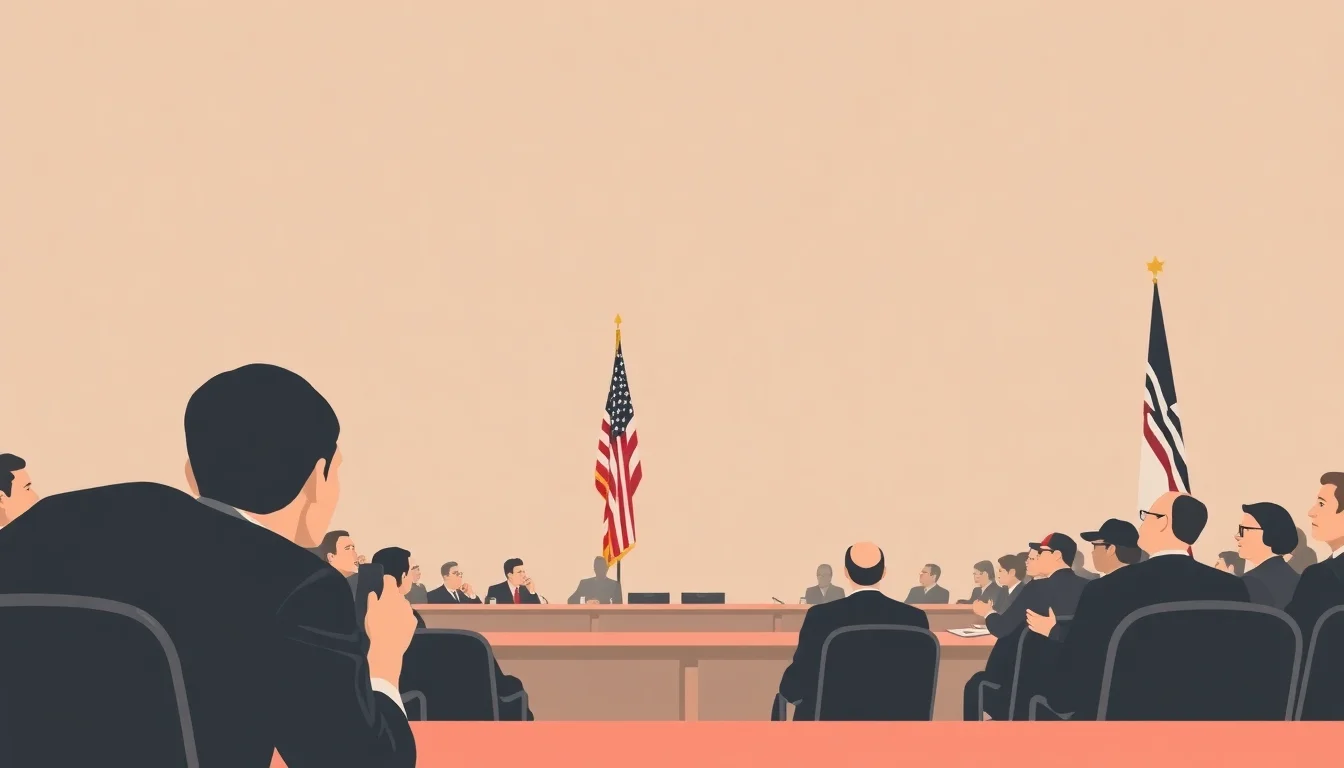
The Committee on Un-American Activities (HUAC) was a U.S. House of Representatives committee that investigated alleged disloyalty and subversive activities by private citizens, especially during the Cold War era. Established in 1938, its primary, though often controversial, mandate was to uncover and expose individuals and groups deemed a threat to American democracy, particularly those with alleged ties to communism or fascism. While its stated goal was national security, its methods and targets frequently ignited fierce debates about civil liberties, freedom of speech, and the limits of government power. Understanding HUAC is crucial for grasping the historical anxieties that shaped American society and its ongoing struggle with political dissent.
📅 Key Dates & Investigations
HUAC's operational history spans several decades, marked by pivotal moments. Its initial investigations in the late 1930s and early 1940s focused on alleged Nazi and fascist propaganda. However, its most infamous period began after World War II, with a significant escalation of anti-communist fervor. The committee gained widespread notoriety for its 1947 investigation into alleged communist influence in Hollywood, leading to the infamous Hollywood Blacklist. Subsequent high-profile hearings, such as those involving Alger Hiss in 1948 and the McCarthy Hearings (though Senator Joseph McCarthy led a Senate committee, his tactics were closely aligned with HUAC's aims), solidified its image as a powerful, and for many, a terrifying, instrument of political scrutiny.
👤 Who Was Targeted?
HUAC's investigations cast a wide net, but certain groups and professions became particular targets. The committee’s focus on alleged communist infiltration led to extensive scrutiny of labor unions, civil rights organizations, and academic institutions. The entertainment industry, especially Hollywood, became a prime target, with writers, actors, directors, and producers summoned to testify. Individuals were often asked to name others they believed were communists or communist sympathizers, creating a climate of fear and suspicion that extended far beyond those directly subpoenaed. The pressure to cooperate or face public condemnation was immense.
💥 The Fallout: Blacklists & Reputations
The most devastating consequence of HUAC's investigations was the creation and enforcement of blacklists. Individuals identified as communists or uncooperative witnesses were often denied employment, ostracized, and effectively silenced. The Hollywood Blacklist, in particular, ruined the careers of hundreds of talented individuals, many of whom were never able to work in their chosen profession again. This period represents a stark example of how government investigations, coupled with public pressure and industry complicity, can lead to widespread professional and personal ruin, leaving a lasting scar on American cultural and political history.
⚖️ Legal & Constitutional Battles
From its inception, HUAC faced significant legal and constitutional challenges. Critics argued that its investigations violated fundamental rights, including the First Amendment's protection of free speech and association, and the Fifth Amendment's protection against self-incrimination. The committee's broad subpoena powers and its tendency to conduct public hearings that often resembled trials without due process were points of contention. While the Supreme Court did not outright abolish HUAC, its rulings in cases like Yates v. United States (1957) and Brandenburg v. Ohio (1969) gradually narrowed the scope of permissible government action against political dissent, limiting the effectiveness of such committees.
💡 HUAC's Legacy & Modern Echoes
Though officially abolished in 1975, HUAC's legacy continues to resonate. The committee serves as a potent historical reminder of the dangers of unchecked government power and the fragility of civil liberties during times of perceived national crisis. Debates about loyalty oaths, government surveillance, and the suppression of dissenting voices echo HUAC's past. Understanding its history provides a critical lens through which to analyze contemporary political discourse and the potential for similar patterns of persecution to emerge, even in different forms. The question of how to balance national security with individual freedoms remains a central tension.
📚 Where to Learn More
For those seeking a deeper understanding of HUAC, numerous resources are available. Archival materials from the committee itself, though often biased, offer primary source insights. Academic books and scholarly articles provide critical analysis and historical context. Documentaries and films, such as Point of Order (1963), offer vivid portrayals of the hearings. Reputable historical organizations and university archives often house extensive collections related to HUAC and the broader McCarthy era. Engaging with these materials is essential for a comprehensive grasp of this complex chapter in American history.
🤔 Frequently Asked Questions
HUAC's investigations were often characterized by public spectacle, with witnesses subjected to intense questioning and public scrutiny. The committee's power derived not only from its legislative mandate but also from its ability to generate media attention, which could then be used to pressure individuals and institutions. The concept of 'un-American activities' itself was fluid and often used to target political opponents or those who challenged the status quo, rather than individuals engaged in genuinely subversive actions. The committee's broad interpretation of 'un-American' allowed it to pursue a wide range of targets, making its impact far-reaching and its methods highly controversial.
Key Facts
- Year
- 1938
- Origin
- United States House of Representatives
- Category
- Government & Politics
- Type
- Committee
Frequently Asked Questions
When was the Committee on Un-American Activities (HUAC) officially abolished?
The Committee on Un-American Activities (HUAC) was officially abolished by the House of Representatives in January 1975. Its functions were largely absorbed by the House Internal Security Committee, which itself was later abolished in 1977, with its remaining responsibilities transferred to the House Judiciary Committee. The abolition marked the end of a distinct era of congressional investigations into political dissent.
What was the primary goal of HUAC?
The primary stated goal of HUAC was to investigate alleged disloyalty and subversive activities by private citizens, organizations, and groups within the United States, particularly those suspected of having ties to communism, fascism, or other ideologies deemed hostile to American democracy. Its aim was to expose these threats and protect national security.
Who were some of the most famous individuals investigated by HUAC?
Some of the most famous individuals investigated by HUAC include members of the Hollywood film industry, such as Charlie Chaplin, Dalton Trumbo, and Zero Mostel. Public intellectuals, academics, and labor leaders were also frequently targeted. While Senator Joseph McCarthy led a Senate committee, his name became synonymous with the anti-communist investigations that HUAC also conducted.
Did HUAC have the power to arrest or imprison people?
HUAC did not have the power to arrest or imprison individuals directly. However, it could issue subpoenas, hold public hearings, and recommend contempt of Congress charges for those who refused to cooperate or testify. If found in contempt by Congress, individuals could face prosecution and potential imprisonment through the judicial system.
What is the difference between HUAC and McCarthyism?
While closely related and often conflated, HUAC was a standing committee of the House of Representatives, whereas 'McCarthyism' refers to the broader practice of making accusations of subversion or treason, particularly against alleged communists, without proper regard for evidence. Senator Joseph McCarthy, though a prominent figure in the anti-communist movement, led a Senate subcommittee, not HUAC itself. However, HUAC's investigations and McCarthy's tactics were part of the same historical period and shared similar goals and methods.
How did HUAC impact freedom of speech and association in the U.S.?
HUAC's investigations significantly chilled freedom of speech and association. The fear of being subpoenaed, publicly accused, or blacklisted led many individuals to self-censor or refrain from engaging in political activities or expressing dissenting opinions. The committee's practice of demanding names of alleged communists also pressured individuals to inform on their peers, undermining trust and open association.