
Contents
Overview
Covent Garden, a vibrant district nestled in London's West End, is globally recognized for its historic market square, now a hub for shoppers, tourists, and street performers. Historically, it evolved from monastic fields into a bustling fruit and vegetable market, eventually becoming synonymous with the performing arts, particularly the Royal Opera House. The area is a dynamic mix of independent boutiques around Neal's Yard and Seven Dials to the north, and the central piazza with its theatres, museums like the London Transport Museum, and the iconic Theatre Royal, Drury Lane to the south. Its transformation from agricultural land to a cultural epicentre showcases a rich layering of history, commerce, and entertainment that continues to define its unique 'vibe'.
🎵 Origins & History
The story of Covent Garden begins not with bustling crowds, but with quiet fields. By the 7th century, it was part of Lundenwic, the Anglo-Saxon trading town, only to be abandoned by the 9th century. By 1200, the Abbot of Westminster Abbey had enclosed a significant portion for use as arable land and orchards, giving rise to the name 'Convent Garden'. This monastic connection persisted for centuries until the monasteries were dissolved. It was during the 17th century that the area began its transformation into a fashionable residential square, designed with its distinctive arcades, a precursor to modern urban planning. The area soon developed a reputation for its vibrant market, which officially began under a charter granted by Charles II, cementing its role as a centre of commerce and social life.
⚙️ How It Works
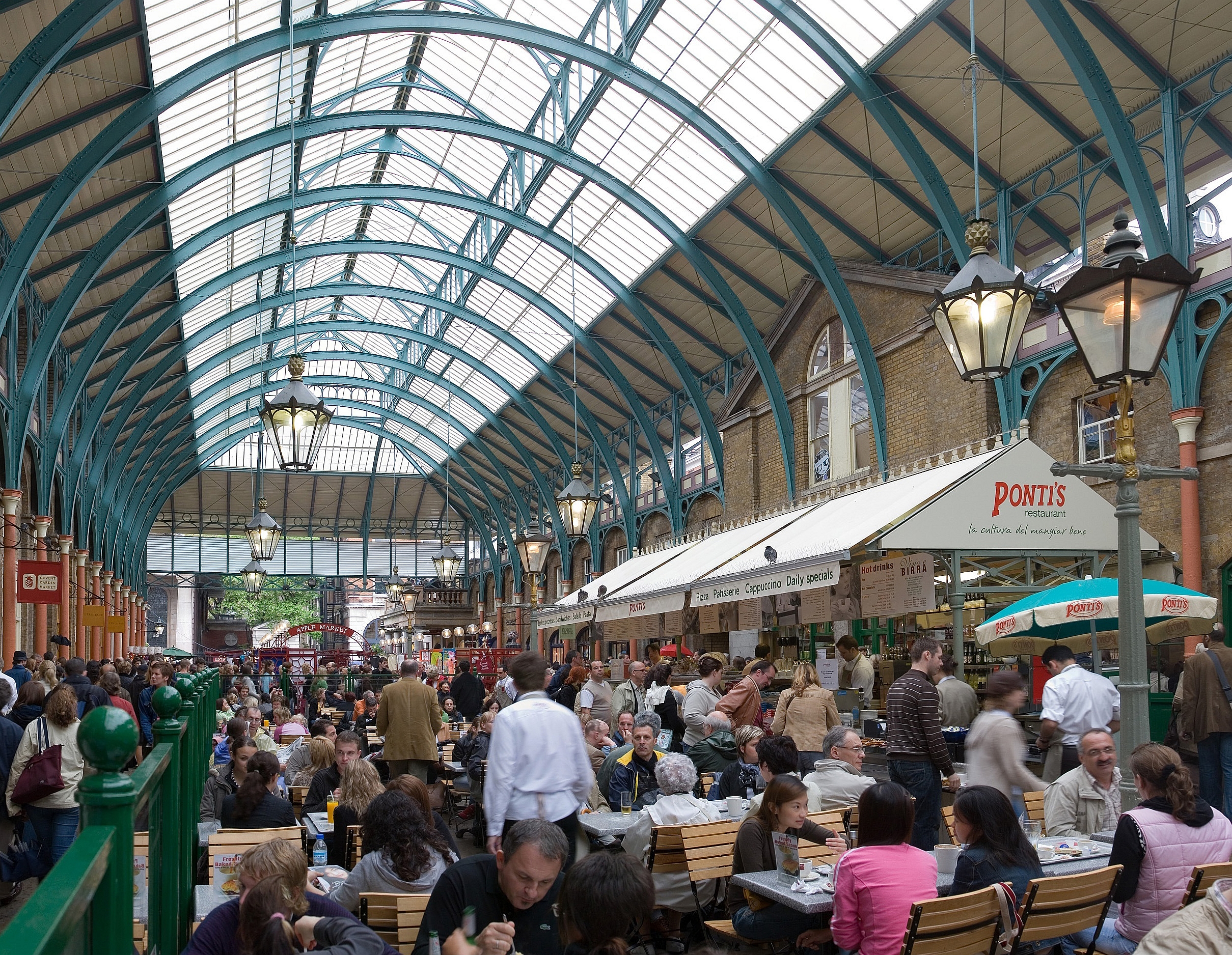
Covent Garden operates as a complex ecosystem of retail, entertainment, and public space. The central piazza, managed by the Capco group, serves as the primary stage for a curated selection of street performers, whose auditions and performances are strictly regulated to maintain a high standard and prevent overcrowding. Surrounding the piazza are hundreds of retail units, ranging from high-street brands to independent boutiques, alongside numerous restaurants, pubs, and cafes. The area also houses several major theatres, including the Royal Opera House and the Theatre Royal, Drury Lane, which are significant cultural anchors. The London Transport Museum adds an educational dimension, while the numerous smaller shops in areas like Neal's Yard and Seven Dials cater to niche markets. This intricate network relies on careful management of public spaces, tenant mix, and event programming to sustain its 'vibe'.
📊 Key Facts & Numbers
Covent Garden attracts millions of visitors annually, a significant portion of whom are tourists. The area boasts hundreds of retail outlets, encompassing a diverse range of businesses from global brands to independent artisans. Its major theatres host theatregoers annually. The central market building alone houses approximately market stalls and shops. Street performers, of which there are typically licensed acts performing daily, are estimated to earn per day, depending on the season and their popularity. The district is home to restaurants and bars, serving meals per week. The Royal Opera House alone has an annual turnover.
👥 Key People & Organizations
The development of Covent Garden is intrinsically linked to several key figures and organizations. The Westminster City Council played a crucial role in its urban planning and regulation. The Royal Opera House and the Theatre Royal, Drury Lane are central cultural institutions, with figures like Richard Brinsley Sheridan having significant historical ties to the latter. The Covent Garden Market Authority historically oversaw the fruit and vegetable market. More recently, Capco has been the primary property owner and manager of the central estate, influencing its current retail and entertainment landscape. The London Transport Museum also stands as a key cultural institution within the district.
🌍 Cultural Impact & Influence
Covent Garden's influence extends far beyond its physical boundaries, shaping perceptions of London as a cultural capital. Its iconic market square has been a backdrop for countless films and television shows, embedding its image in global popular culture. The tradition of street performance, meticulously managed and celebrated here, has inspired similar initiatives in cities worldwide. The district's theatrical heritage, dating back centuries, has nurtured generations of actors, playwrights, and performers, contributing significantly to the West End theatre scene. The area's architectural style has influenced subsequent urban design. Furthermore, its evolution from a working market to a premium retail and entertainment destination serves as a case study in urban regeneration and the creation of 'destination' districts, impacting how cities approach public space management and commercial development.
⚡ Current State & Latest Developments
In 2024, Covent Garden continues to thrive as a premier London destination. Capco has invested significantly in maintaining and enhancing the estate, focusing on a curated mix of retail, dining, and entertainment. The street performance programme remains a core attraction, with ongoing efforts to refine its management and ensure a high-quality experience for visitors. New retail openings and restaurant launches are frequent, reflecting the area's enduring commercial appeal. The Royal Opera House and the district's theatres continue to present world-class productions, drawing international audiences. There's a growing emphasis on experiential retail and dining, with pop-up events and immersive experiences becoming more common, particularly around the Seven Dials area, which has seen a resurgence in independent and niche brands. The district is also increasingly integrated into London's broader cultural calendar, hosting events during festivals and holidays.
🤔 Controversies & Debates
Covent Garden is not without its points of contention. The commercialization of the piazza and the strict regulation of street performers have drawn criticism, with some arguing it sanitizes the area's bohemian past and limits spontaneous artistic expression. The high rents charged by landlords like Capco have led to concerns about the displacement of independent businesses in favour of larger, more profitable chains, potentially homogenizing the district's unique character. The sheer volume of tourists can also lead to overcrowding, impacting the experience for both visitors and local residents. Debates also arise regarding the balance between preserving historical architecture and accommodating modern retail demands, a perennial challenge in historic urban centres. The economic impact of tourism is undeniable, but questions persist about whether the benefits are equitably distributed across the community.
🔮 Future Outlook & Predictions
The future of Covent Garden likely involves a continued balancing act between heritage and modernity. Expect further investment in experiential retail and dining concepts, as property owners like Capco seek to differentiate the district in an increasingly competitive market. The role of technology in enhancing visitor experience, from augmented reality tours to smart ticketing for performances, is set to grow. There may be increased focus on sustainability initiatives within the district's businesses and operations. The management of public space and street performance will likely remain a key area of discussion, with potential for new models that better integrate artists and the public. The district's proximity to other major London regeneration projects, such as Earl's Court, could also influence its future connectivity and appeal. The enduring appeal of its theatrical heart suggests that live performance will remain a central pillar of its identity.
💡 Practical Applications
Covent Garden's primary application is as a model for urban regeneration and the creation of a vibrant, multi-use district. Its success demonstrates how a historical site can be revitalized to become a major commercial and cultural hub. The district serves as a prime example of destination marketing, attracting millions of visitors through its unique blend of shopping, dining, theatre, and street entertainment. For aspiring urban planners and developers, Covent Garden o
Key Facts
- Category
- culture
- Type
- topic