
Contents
Overview
The roots of culinary tourism are as old as travel itself; people have always sought out unique foods in new lands, from ancient spice routes to colonial expeditions. However, the formalization of culinary tourism as a distinct field gained significant traction with the publication of a white paper by Erik Wolf, president of the World Food Travel Association. Wolf's work helped define and legitimize food as a primary travel motivator, moving it from a mere ancillary activity to a central purpose. Prior to this, while dining was a common tourist activity, it wasn't systematically recognized as a standalone tourism segment. Early examples of structured culinary travel included organized wine tours in Bordeaux and cheese-making excursions in Normandy, laying the groundwork for more diverse gastronomic explorations.
⚙️ How It Works
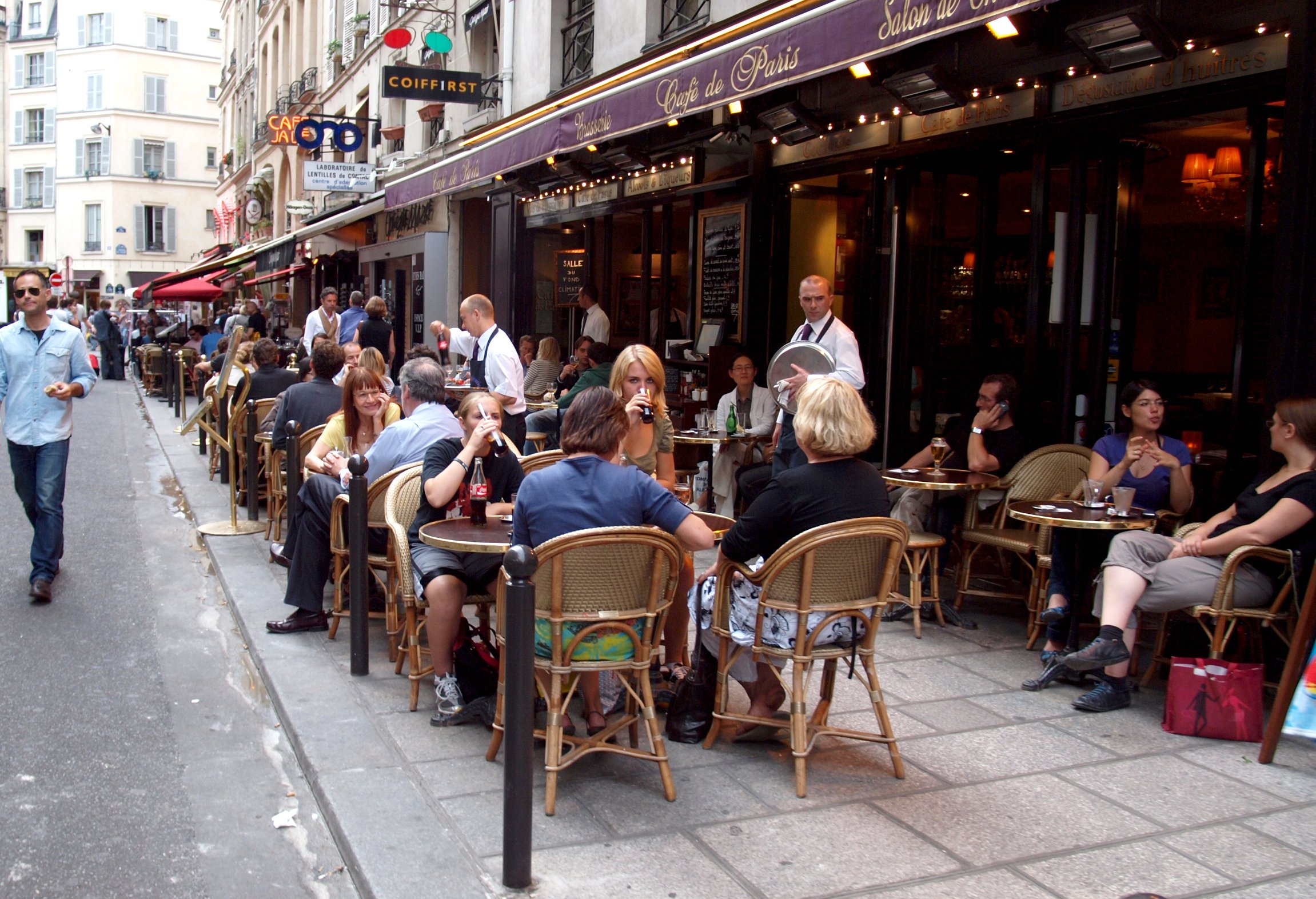
Culinary tourism operates by integrating food and beverage experiences into the travel itinerary, often becoming the central theme. This can manifest in numerous ways: visiting local markets like La Boqueria in Barcelona, participating in cooking classes focused on regional specialties such as Thai cooking in Chiang Mai, embarking on vineyard tours in Tuscany, or seeking out Michelin-starred restaurants like Noma in Copenhagen. It involves engaging with the local food culture through tasting, learning, and interacting with producers, chefs, and fellow enthusiasts. The experience is often enhanced by understanding the provenance of ingredients, the history behind dishes, and the social context of food consumption within a destination.
📊 Key Facts & Numbers
Globally, culinary tourism is a multi-billion dollar industry. A 2019 study revealed that 93% of participants engaged in food and beverage activities during their trips over the past two years, with 82% spending more on food and beverages while traveling than at home. In the United States, food-related travel spending reached an estimated $100 billion annually prior to the COVID-19 pandemic, according to the World Food Travel Association.
👥 Key People & Organizations
Erik Wolf is widely credited with coining the term 'culinary tourism' and establishing the World Food Travel Association (WFTA) in 2001 to promote and educate the industry. Other key figures include chefs and restaurateurs who become destination magnets, such as Massimo Bottura of Osteria Francescana in Modena, Italy, whose restaurant's fame draws food lovers from across the globe. Organizations like Slow Food International advocate for local food traditions and sustainable practices, influencing how culinary tourism is perceived and implemented. Tourism boards in regions like Provence and New Zealand actively promote their culinary offerings through dedicated campaigns and festivals.
🌍 Cultural Impact & Influence
Culinary tourism profoundly impacts local economies and cultural preservation. It provides a powerful incentive for communities to maintain traditional agricultural practices and artisanal food production, as seen with the resurgence of heritage grain farming in Mexico to support authentic tortilla making. Destinations that successfully leverage their unique food identities, such as Peru with its ceviche and Pisco Sour, often experience significant boosts in tourism revenue and international recognition. This form of tourism also fosters cultural exchange, allowing travelers to gain a deeper understanding and appreciation of a destination's history, values, and social fabric through its cuisine.
⚡ Current State & Latest Developments
The current landscape of culinary tourism is dynamic, heavily influenced by digital platforms and evolving consumer preferences. Social media, particularly Instagram and TikTok, plays a crucial role in showcasing food experiences, with 'foodie' influencers and viral trends shaping travel decisions. The rise of 'experiential travel' means tourists are seeking more authentic, hands-on activities, leading to an increase in farm-to-table tours, foraging expeditions, and immersive market visits. Post-pandemic, there's a heightened focus on sustainable and responsible food tourism, with travelers increasingly interested in supporting local producers and minimizing their environmental footprint.
🤔 Controversies & Debates
Several controversies surround culinary tourism. One significant debate centers on 'overtourism' in popular gastronomic hubs, where the influx of food tourists can strain local resources, inflate prices for residents, and disrupt traditional community life, as observed in cities like San Sebastián. Another point of contention is the potential for 'gastronomic gentrification,' where the focus on high-end culinary tourism can displace local, more affordable eateries. Furthermore, questions arise about authenticity: how much of the 'authentic' food experience is curated for tourists, and how much genuinely reflects local life? The ethical implications of promoting certain foods or practices, especially those with environmental or social costs, also spark debate.
🔮 Future Outlook & Predictions
The future of culinary tourism is poised for continued growth and diversification. Expect a greater emphasis on hyper-local and niche experiences, such as tours dedicated to specific ingredients like olive oil in Andalusia or unique regional beverages. Technology will likely play an even larger role, with augmented reality apps offering historical context at food sites or AI-powered recommendations for personalized culinary journeys. Sustainability will become a non-negotiable aspect, driving demand for tours that support ethical sourcing, waste reduction, and community empowerment. The 'foodie' identity will continue to evolve, with travelers seeking deeper, more meaningful connections to the places they visit through their palates.
💡 Practical Applications
Culinary tourism has direct practical applications for destinations aiming to boost their appeal and economy. Cities and regions can develop signature food trails, like the Whiskey Trail in Scotland or the Wine Routes of South Africa, to attract visitors. Hotels and tour operators can create specialized packages including cooking classes, market tours, and chef's table experiences. Governments and tourism bodies can invest in promoting local food festivals, such as the New York Wine & Food Festival, and support small-scale producers to ensure a sustainable supply chain for gastronomic tourism. Even individual travelers can plan trips around specific culinary events or renowned restaurants, turning a passion for food into a travel strategy.
Key Facts
- Category
- culture
- Type
- concept