
Contents
- 🎵 Origins & History
- ⚙️ How It Works
- 📊 Key Facts & Numbers
- 👥 Key People & Organizations
- 🌍 Cultural Impact & Influence
- ⚡ Current State & Latest Developments
- 🤔 Controversies & Debates
- 🔮 Future Outlook & Predictions
- 💡 Practical Applications
- 📚 Related Topics & Deeper Reading
- Frequently Asked Questions
- References
- Related Topics
Overview
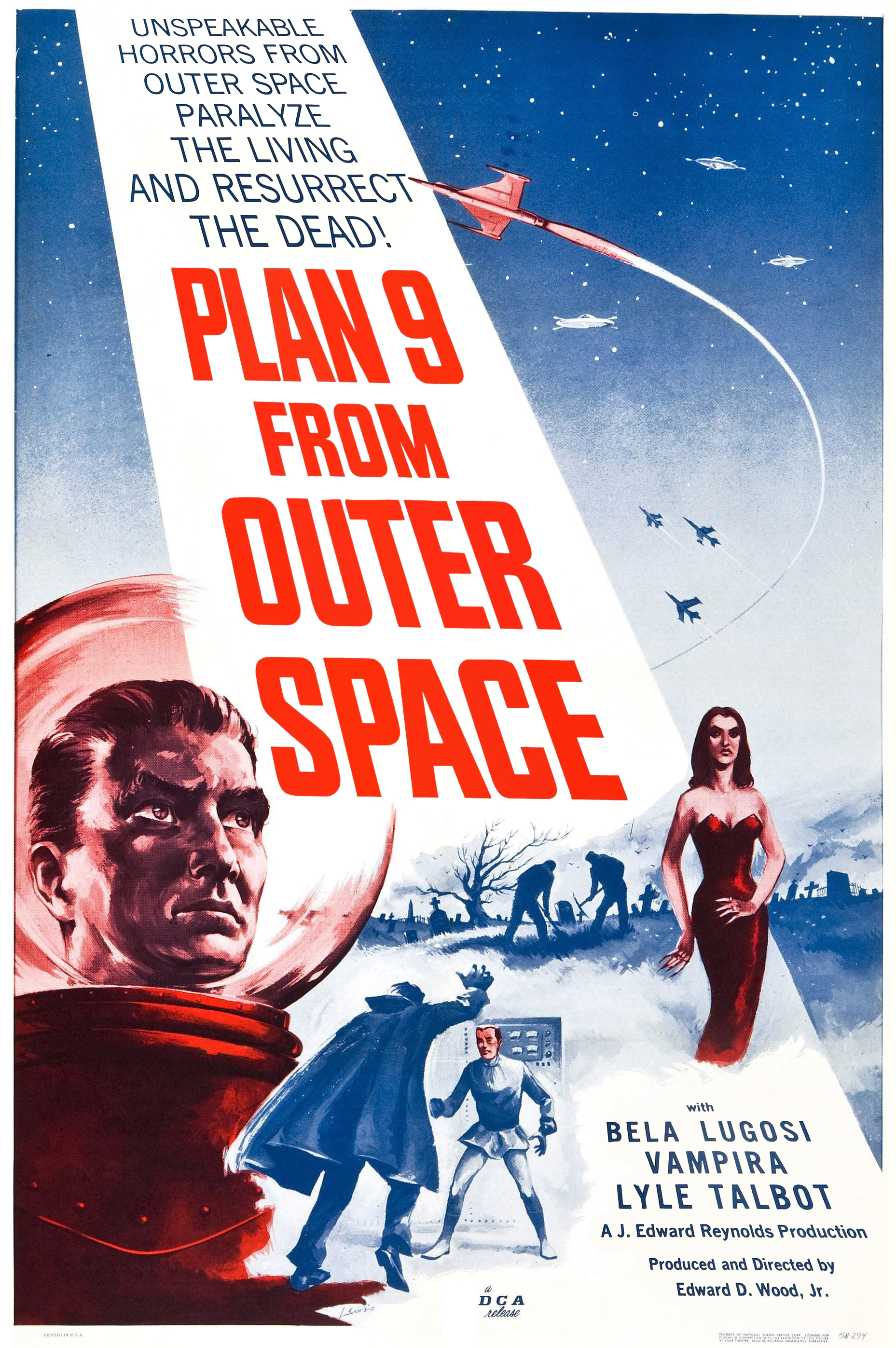
The roots of cult classic horror can be traced back to the early days of cinema, with films like Nosferatu (1922) and The Cabinet of Dr. Caligari (1920) pushing boundaries and attracting devoted followings despite their unconventional styles and unsettling themes. The post-war era saw the rise of exploitation films and B-movies, many of which were too bizarre or shocking for mainstream distribution, finding their audience in drive-in theaters and midnight screenings. Directors like Ed Wood with Plan 9 from Outer Space (1957) and Roger Corman with his Poe adaptations, though often working with limited budgets, created films that were too distinctive to be ignored. The 1970s and 1980s were a golden age for cult horror, with the emergence of independent studios and filmmakers willing to explore extreme violence, psychological dread, and taboo subjects, giving rise to enduring titles like The Texas Chain Saw Massacre (1974) and The Evil Dead (1981). These films, often initially met with controversy and censorship, slowly built their reputations through word-of-mouth and home video circulation, solidifying their cult status.
⚙️ How It Works
What elevates a horror film to cult classic status is a complex interplay of factors, often defying simple categorization. It's not merely about being scary; it's about possessing a unique, often idiosyncratic, sensibility that resonates with a passionate segment of the audience. This can manifest as a distinctive visual style, as seen in the surreal nightmares of David Lynch's Eraserhead (1977), or a groundbreaking approach to gore and practical effects, exemplified by John Carpenter's The Thing (1982). Narrative unconventionality, transgressive themes that challenge societal norms, or even a certain earnestness in their low-budget execution can also be key. Crucially, cult classics foster a sense of community among viewers, encouraging repeated viewings, quote-alongs, and fan-created content, transforming passive consumption into an active, participatory experience that keeps the film alive long after its initial release. The films often possess a 'vibe' that is inimitable and deeply felt by their devotees.
📊 Key Facts & Numbers
The cult classic horror landscape is vast, with thousands of films vying for recognition, but certain statistics highlight their enduring appeal. It's estimated that over 70% of films released before 1950 have been lost, making the survival of early cult horror like The Ghoul (1933) all the more remarkable. Films like The Rocky Horror Picture Show (1975) have been in continuous theatrical release for over 40 years, grossing an estimated $140 million worldwide, a testament to its unparalleled cult following. The home video boom of the 1980s and 1990s was instrumental in reviving many forgotten cult films, with sales of VHS tapes for titles like Basket Case (1982) and Re-Animator (1985) reaching millions. Today, streaming services host thousands of niche horror titles, with some independent horror films garnering millions of views within their first month of release, demonstrating the continued appetite for the unconventional. The global market for horror films, including cult entries, is projected to reach over $10 billion by 2027.
👥 Key People & Organizations
The ecosystem of cult classic horror is populated by visionary directors, dedicated producers, and passionate fans. Directors like Tobe Hooper (The Texas Chain Saw Massacre), Sam Raimi (The Evil Dead), and Wes Craven (A Nightmare on Elm Street) are titans, their early independent works becoming foundational texts for the genre. Producers like Irvin Yeaworth (The Blob, 1958) and Hemdale Film Corporation (The Terminator, 1984, which has cult horror elements) played crucial roles in bringing these often-risky projects to fruition. Fan communities, often organized through websites like Letterboxd and IMDb, and through physical gatherings at festivals like Fantastic Fest and Sitges Film Festival, are vital in sustaining and amplifying the films' legacies. Distributors specializing in cult and independent cinema, such as Arrow Films and Shout! Factory, are critical in preserving and reintroducing these films to new generations through meticulously curated Blu-ray releases and special editions.
🌍 Cultural Impact & Influence
The influence of cult classic horror extends far beyond the confines of the genre, permeating mainstream cinema, television, music, and fashion. The DIY ethos and practical effects pioneered in films like Braindead (1992) by Peter Jackson have inspired countless filmmakers working with limited resources. The unique visual aesthetics and thematic explorations found in films like Suspiria (1977) by Dario Argento have been emulated in high-fashion photography and music videos. Television shows like Stranger Things owe a significant debt to the creature features and coming-of-age horror of the 1980s, directly referencing films like The Goonies (1985) and Stand by Me (1986), which share cult horror sensibilities. The enduring popularity of franchises like Halloween and Friday the 13th demonstrates how cult horror can evolve into mainstream success, albeit often retaining elements of its original transgressive spirit. The very concept of 'midnight movies' was largely defined by cult horror, creating a distinct cultural phenomenon.
⚡ Current State & Latest Developments
In 2024 and 2025, the cult classic horror scene is more vibrant than ever, fueled by digital accessibility and a renewed appreciation for practical effects and independent filmmaking. Streaming platforms like Shudder and Tubi are increasingly curating extensive libraries of cult horror, making titles previously confined to rare VHS tapes or bootlegs readily available to a global audience. Independent filmmakers are actively drawing inspiration from the aesthetics and narrative structures of classic cult horror, leading to a resurgence of interest in practical gore effects and lo-fi filmmaking. Film festivals dedicated to horror continue to champion cult titles, providing platforms for rediscovery and discussion. Furthermore, the rise of social media communities dedicated to cult cinema allows fans to connect, share their passion, and introduce new audiences to these beloved films, ensuring their continued relevance and evolution. The recent success of films like Talk to Me (2023) signals a mainstream embrace of horror that echoes the boundary-pushing spirit of earlier cult hits.
🤔 Controversies & Debates
The definition and criteria for what constitutes a cult classic horror film are subjects of ongoing debate. Critics often clash over whether a film needs to be genuinely 'good' in a traditional sense or if its flaws are part of its charm, a point often raised when discussing films like Manos: The Hands of Fate (1966). The line between 'cult' and 'mainstream success' is also blurry; when does a film transition from niche appreciation to widespread recognition? Some argue that the commercial success of franchises like Saw dilutes the 'cult' aspect, while others contend that their initial independent spirit and controversial nature still qualify them. Ethical considerations surrounding extreme violence, exploitation, and representation in older cult horror films are also frequently discussed, prompting re-evaluations of their legacy and impact. The role of nostalgia versus genuine artistic merit is a constant point of contention.
🔮 Future Outlook & Predictions
The future of cult classic horror appears robust, driven by technological advancements and a persistent audience appetite for the unconventional. The increasing accessibility of filmmaking tools, from affordable high-quality cameras to sophisticated editing software, empowers a new generation of directors to create their own unique visions, potentially birthing future cult icons. The continued growth of niche streaming platforms and the demand for unique content suggest that films that defy mainstream trends will find dedicated audiences. We can anticipate a further blurring of lines between independent and studio productions, with major studios potentially acquiring or distributing films that exhibit cult potential. Furthermore, the ongoing exploration of AI in filmmaking might lead to entirely new forms of horror that, in turn, could develop their own cult followings, pushing the boundaries of what is considered 'cinematic' and 'horrific' in ways we can only begin to imagine. The legacy of cult horror will likely continue to inspire and challenge filmmakers for decades to come.
💡 Practical Applications
While not directly applicable in a commercial sense, the 'practical application' of cult classic horror lies in its profound influence on creative industries and audience engagement. For filmmakers, these films serve as case studies in building a dedicated fanbase, mastering practical effects on a budget, and crafting unique, memorable cinematic experiences. For fans, cult classics provide a shared language, a sense of belonging, and an entry point into deeper discussions about film history and artistic expression. The business models of niche distributors like The Criterion Collection and Arrow Films demonstrate the commercial viability of catering to passionate fan bases, proving that artistic integrity and profitability are not mutually exclusive. The phenomenon also informs marketing strategies, highlighting the power of word-of-mouth, community building, and leveraging niche appeal to achieve lasting cultural impact. Understanding cult horror is key to understanding how certain artistic visions transcend initial commercial failure to achieve enduring relevance.
Key Facts
- Year
- 1920s-Present
- Origin
- United States
- Category
- culture
- Type
- phenomenon
Frequently Asked Questions
What's the difference between a cult classic horror film and a mainstream horror hit?
Mainstream horror hits aim for broad appeal, often following established formulas to maximize box office returns, like the The Conjuring franchise. Cult classic horror, conversely, often defies convention, embracing unique artistic visions, transgressive themes, or even perceived flaws that resonate deeply with a dedicated, niche audience. Films like Re-Animator (1985) might be too gory or bizarre for mainstream tastes but are beloved by cult fans for their audacious blend of horror and dark comedy. While mainstream hits rely on widespread marketing, cult classics often grow through word-of-mouth, home video, and fan communities, exemplified by the enduring popularity of The Evil Dead (1981) long after its initial release.
How do films like 'The Rocky Horror Picture Show' become cult classics?
'The Rocky Horror Picture Show' (1975) achieved cult status through a combination of factors that fostered active audience participation. Its unconventional musical numbers, gender-bending themes, and campy aesthetic encouraged viewers to engage beyond passive viewing. Fans developed traditions of quoting lines, dressing as characters, and performing alongside the film during midnight screenings, creating a communal, ritualistic experience. This participatory culture, unlike the more passive consumption of mainstream films, transformed the movie into a living event, ensuring its continuous theatrical run for over 40 years and solidifying its status as perhaps the ultimate cult classic. This phenomenon highlights how audience interaction can be as crucial as the film's content itself.
Are cult classic horror films always low-budget or poorly made?
Not necessarily. While many cult classic horror films, such as Plan 9 from Outer Space (1957) by Ed Wood, are celebrated for their earnest, albeit flawed, low-budget execution, others were ambitious productions that simply didn't find a mainstream audience initially. Films like The Thing (1982) directed by John Carpenter, boasted impressive practical effects and a significant budget for its time, yet its bleak tone and ambiguous ending led to poor box office returns. It was only later, through home video and critical re-evaluation, that its artistic merits and chilling atmosphere earned it a devoted cult following. Conversely, some films gain cult status precisely because of their perceived 'badness,' becoming objects of ironic appreciation, as seen with The Room (2003), though that's not strictly horror.
What role did home video play in the rise of cult horror?
The advent of home video, particularly the VHS format in the 1980s and 1990s, was a critical catalyst for the proliferation and preservation of cult classic horror. Many films that were too extreme, obscure, or controversial for theatrical distribution found a new life on tape, allowing them to reach audiences outside of major cities and midnight screenings. Titles like Basket Case (1982) and Maniac (1980) gained significant followings through rental stores and word-of-mouth facilitated by this new medium. This accessibility allowed fans to collect, rewatch, and share these films, fostering dedicated communities and ensuring their survival against the ephemeral nature of theatrical runs. Without home video, many of these films might have been lost to obscurity.
Can a horror film be both a mainstream success and a cult classic?
Yes, the lines can blur. Some films achieve significant mainstream success upon release but later develop a cult following due to specific elements or a shift in critical perception. For instance, Donnie Darko (2001) was a modest box office performer but gained a massive cult following through DVD sales and word-of-mouth, celebrated for its complex narrative and unique atmosphere. Similarly, films like Halloween (1978) were successful but also spawned a dedicated fanbase that continues to dissect its themes and filmmaking techniques, making it both a mainstream hit and a foundational cult text. The key often lies in whether the film possesses a unique artistic identity, thematic depth, or provocative nature that continues to engage and inspire a passionate, dedicated audience beyond its initial commercial performance.
How do I find cult classic horror films to watch?
Discovering cult classic horror involves exploring niche platforms and communities. Streaming services like Shudder specialize in horror and often feature extensive libraries of cult titles. Websites like Letterboxd and IMDb allow users to create and browse lists of cult films, often curated by passionate fans. Following specialized film critics, horror podcasts, and fan forums can also provide excellent recommendations. Many cult films are also available through boutique distributors like Arrow Films and Shout! Factory, which release meticulously restored editions on Blu-ray and DVD, often accompanied by bonus features that delve into the film's history and impact. Attending horror film festivals like Fantastic Fest is another excellent way to encounter hidden gems.
What are some of the most influential cult classic horror films?
Several films stand out for their significant influence on the genre and filmmaking at large. The Texas Chain Saw Massacre (1974) by Tobe Hooper redefined gritty, visceral horror with its raw style and disturbing atmosphere. The Evil Dead (1981) from Sam Raimi showcased inventive low-budget filmmaking, extreme gore, and dark humor that became a benchmark for independent horror. A Nightmare on Elm Street (1984) by Wes Craven introduced a supernatural antagonist with a unique modus operandi, blending psychological terror with slasher elements. Suspiria (1977) by Dario Argento is celebrated for its stunning visual style, vibrant color palette, and atmospheric score, influencing the aesthetic of many later horror films. These films, among others, continue to inspire filmmakers and captivate audiences with their enduring power.