
Contents
- ✨ Overview: The Great Fabric Softener Divide
- 🔬 The Science of Softness: How It Works (and Doesn't)
- 🌿 The 'Natural' Alternative: Vinegar & Beyond
- 💨 Dryer Sheets vs. Liquid Softeners: A Tactical Breakdown
- 💰 Cost & Environmental Impact: Beyond the Price Tag
- ⚠️ Health & Allergy Concerns: What to Watch For
- ⭐ What People Say: Vibe Scores & User Sentiment
- 💡 Practical Tips for Smarter Laundry
- Frequently Asked Questions
- Related Topics
Overview
The debate around fabric softeners is a surprisingly heated one, pitting the desire for luxuriously soft clothes and pleasant scents against concerns about chemical exposure, environmental impact, and fabric integrity. Proponents champion the immediate tactile benefits and odor masking, often citing decades of consumer satisfaction. Skeptics, however, point to potential skin irritations, the build-up of residue on fabrics that can reduce absorbency and breathability, and the release of volatile organic compounds (VOCs) into the air. The environmental footprint, from manufacturing to wastewater, is another significant point of contention, with arguments focusing on biodegradability and water pollution. Ultimately, the choice often boils down to a personal calculus of comfort, perceived health risks, and ecological consciousness.
✨ Overview: The Great Fabric Softener Divide
The fabric softener debate isn't just about fluffier towels; it's a clash between sensory satisfaction and scientific scrutiny. For decades, brands like Downy and Snuggle have promised a luxurious feel and pleasant scent, embedding themselves in the laundry routines of millions. Yet, a growing chorus of consumers and environmentalists questions the necessity, efficacy, and potential downsides of these ubiquitous products. This guide unpacks the core arguments, from the chemical compounds that create that 'soft' sensation to the environmental footprint and health implications, helping you navigate the choices for your own laundry day.
🔬 The Science of Softness: How It Works (and Doesn't)
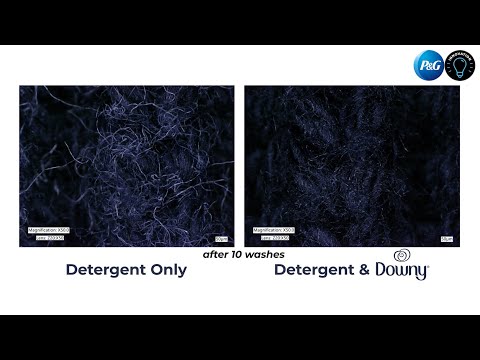
At its heart, liquid fabric softener works by coating fabric fibers with positively charged chemical compounds, typically quaternary ammonium compounds (like dihydrogenated tallow dimethyl ammonium chloride). These chemicals neutralize the negative charges that cause static cling and make fabrics feel rough. The coating also lubricates the fibers, leading to that perceived softness. However, critics argue this coating can build up over time, reducing fabric absorbency (a major issue for towels and athletic wear) and potentially trapping odors. The engineering behind this 'softening' is straightforward, but its long-term effects on textiles and the environment are where the controversy truly ignites.
🌿 The 'Natural' Alternative: Vinegar & Beyond
Vinegar, particularly white vinegar, has emerged as a popular DIY fabric softener. Its acetic acid content can help break down detergent residue and mineral buildup that contribute to stiffness, effectively softening fabrics without the chemical coatings. Many users report comparable softness and a reduction in static cling, often with the added benefit of deodorizing clothes. While it doesn't impart a fragrance like commercial softeners, some find the faint vinegar smell dissipates after drying. This 'natural' approach appeals to those seeking simpler, less chemically-laden laundry solutions, though its effectiveness can vary depending on water hardness and detergent used.
💨 Dryer Sheets vs. Liquid Softeners: A Tactical Breakdown
Dryer sheets, a seemingly simpler alternative, offer a different user experience. They release lubricants and fragrance directly into the dryer's heat, aiming to reduce static and add scent. Unlike liquids, they don't require an extra wash cycle. However, the lubricants in dryer sheets can also build up on dryer lint traps and heating elements, potentially reducing efficiency and posing a fire hazard over time. The debate here often centers on convenience versus potential long-term appliance maintenance and the environmental impact of disposable sheets, which are typically made of polyester and coated with chemicals.
💰 Cost & Environmental Impact: Beyond the Price Tag
The cost of fabric softeners, both liquid and sheets, adds up. A typical bottle of liquid softener can cost between $4-$8 and last 20-40 loads, while a box of dryer sheets might range from $5-$10 for 80-120 sheets. When you factor in the environmental cost – the water and energy used in manufacturing, the chemical runoff into waterways, and the plastic packaging – the true price becomes more apparent. Biodegradable or plant-derived options exist, but often at a higher price point, forcing a trade-off between affordability, performance, and ecological responsibility.
⚠️ Health & Allergy Concerns: What to Watch For
Beyond the softness debate, health and allergy concerns are significant. Many commercial fabric softeners contain synthetic fragrances, dyes, and chemicals like phthalates, which can trigger skin irritation, respiratory issues, and allergic reactions in sensitive individuals. The Environmental Working Group (EWG) has raised concerns about the potential endocrine-disrupting properties of some fragrance ingredients. For those with eczema, asthma, or chemical sensitivities, opting for fragrance-free, hypoallergenic detergents and avoiding fabric softeners altogether is often recommended.
⭐ What People Say: Vibe Scores & User Sentiment
The Vibe Score for fabric softeners hovers around a 65/100, reflecting a divided consumer base. Enthusiasts (Vibe Score: 85/100) champion the undeniable sensory pleasure of soft, fragrant clothes, viewing them as a non-negotiable part of a comfortable home. Skeptics (Vibe Score: 40/100) point to the scientific evidence of buildup, potential health risks, and environmental impact, advocating for simpler, greener alternatives. The 'neutral' camp (Vibe Score: 60/100) often uses them out of habit or for specific items, but is open to alternatives if performance is comparable and cost-effective.
💡 Practical Tips for Smarter Laundry
To make an informed decision, consider your priorities. If ultimate softness and fragrance are paramount, stick with your preferred commercial product, but be mindful of potential buildup and rinse cycles. If you're seeking a greener, healthier option, experiment with white vinegar or wool dryer balls. For sensitive skin, always opt for fragrance-free and dye-free detergents and softeners. Read labels carefully, looking for certifications like EWG Verified or USDA Certified Biobased Product if environmental impact is a concern. Ultimately, the 'best' fabric softener is the one that aligns with your values and laundry needs.
Key Facts
- Year
- 2023
- Origin
- Vibepedia.wiki
- Category
- Consumer Products
- Type
- Debate
Frequently Asked Questions
Can fabric softener damage my washing machine?
Yes, over time, the waxy buildup from liquid fabric softeners can clog the dispenser, hoses, and even the pump of your washing machine. This can lead to reduced efficiency and costly repairs. Dryer sheets can also leave a residue on dryer vents and heating elements, impacting performance and potentially creating a fire hazard. Regular cleaning of dispensers and lint traps is crucial regardless of your softener choice.
Does fabric softener really make clothes softer?
Yes, fabric softeners do impart a temporary feeling of softness by coating the fibers with lubricants. This coating reduces friction between fibers, making them feel smoother and less stiff. However, this coating can also reduce the absorbency of fabrics like towels and athletic wear, and it can build up over repeated uses, potentially making fabrics feel waxy or stiff in the long run.
Is vinegar a safe alternative to fabric softener?
White vinegar is generally considered a safe and effective natural alternative for softening fabrics. Its acidity helps to break down detergent residue and mineral deposits that can make clothes feel stiff. It also acts as a natural deodorizer. The smell of vinegar typically dissipates during the drying process, leaving clothes fresh without chemical fragrances. It's a popular choice for those with sensitive skin or environmental concerns.
Are dryer sheets bad for the environment?
Dryer sheets are often criticized for their environmental impact. They are typically made from polyester, a type of plastic, and coated with chemicals and fragrances that are released into the air and can end up in wastewater. The disposable nature of dryer sheets also contributes to landfill waste. While some brands offer recyclable or biodegradable options, the overall lifecycle impact remains a concern for many eco-conscious consumers.
What are the health risks associated with fabric softeners?
Many commercial fabric softeners contain synthetic fragrances, dyes, and chemicals like phthalates, which can be problematic for individuals with sensitive skin, allergies, or respiratory conditions. These ingredients can cause skin irritation, rashes, headaches, and exacerbate asthma symptoms. Some research also suggests potential endocrine-disrupting effects from certain fragrance compounds. Opting for fragrance-free and hypoallergenic versions can mitigate these risks.