
Contents
Overview
Deserts, covering about one-fifth of Earth's land surface, are defined by their aridity, receiving less than 25 centimeters (10 inches) of precipitation annually, with evaporation often exceeding rainfall. These drylands can be found on every continent and are home to approximately one billion people. Historically, deserts have been shaped by geological processes and climatic shifts. For instance, the Sahara Desert, the world's largest hot desert, was once a much moister environment during periods known as the North African Humid Periods, as evidenced by archaeological findings and fossils. The classification of deserts can be based on precipitation, temperature, causes of desertification, or geographical location, with types including subtropical, coastal, rain shadow, interior, and polar deserts. The study of desert ecology, as explored by organizations like National Geographic, highlights the intricate relationships between organisms and their environment, a concept also touched upon in discussions of climate change.
⚙️ How It Works
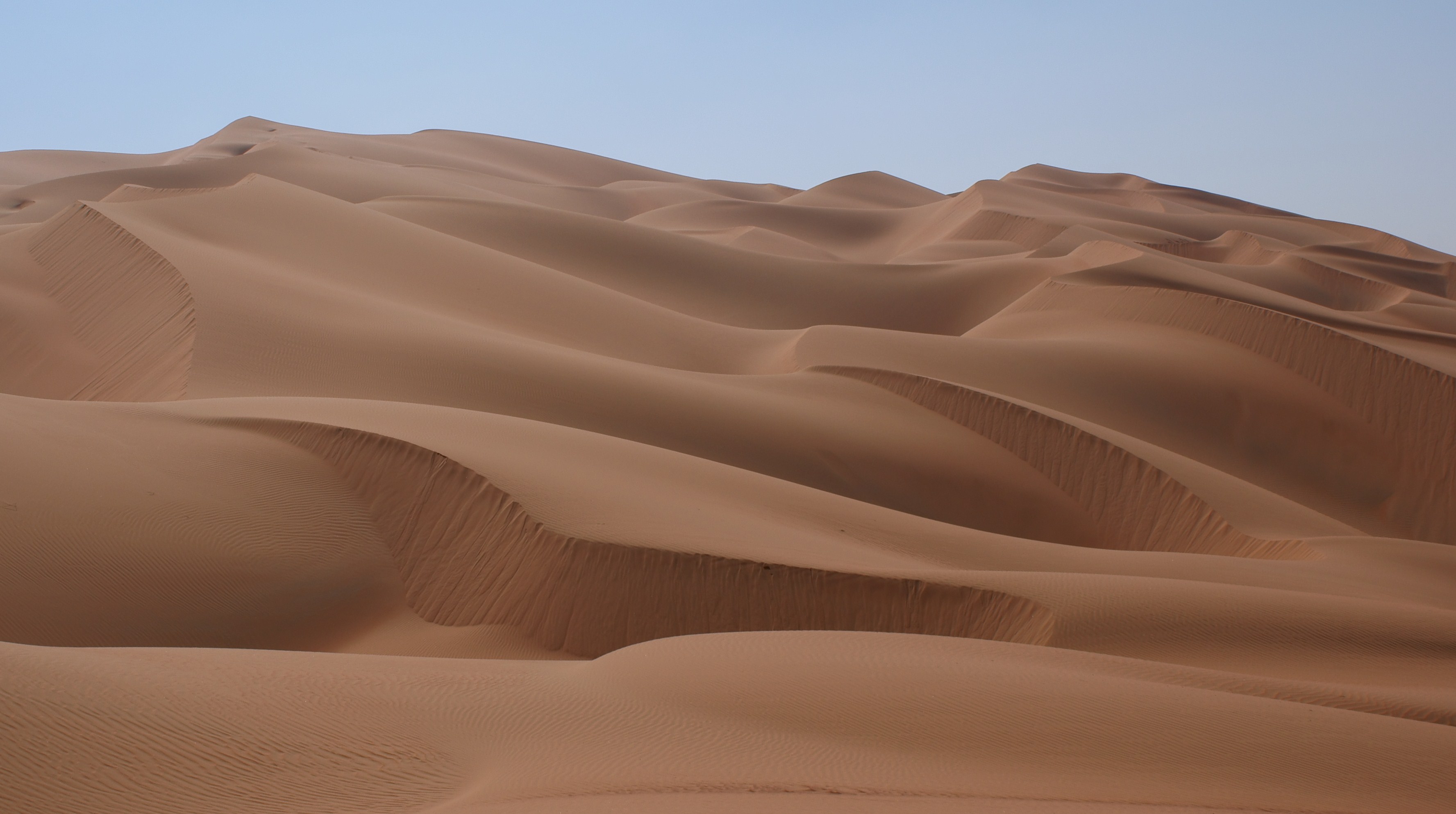
The defining characteristic of a desert is its lack of water. This aridity shapes the landscape through weathering processes, where extreme temperature fluctuations between day and night cause rocks to break down. While rain is infrequent, it can occur in intense downpours, leading to flash floods. The sparse vegetation, or lack thereof, exposes the ground to erosion by wind, which can create sandstorms and shape the terrain into dunes, as seen in satellite imagery from the Landsat Program. Organisms in deserts, whether plants like cacti or animals like kangaroo rats, have developed specialized adaptations to conserve water and withstand extreme temperatures. These adaptations are crucial for survival in environments where conditions can range from scorching heat to freezing nights, a stark contrast to more temperate regions studied in climate science.
🎭 Cultural Impact
Deserts have profoundly influenced human history, culture, and development. Nomadic cultures have traversed desert regions for millennia, following grazing lands, while oases have served as vital centers for settlement and trade routes, such as those across the Sahara. The challenges of desert living have spurred innovation in areas like irrigation and resource management. Furthermore, deserts have captured the human imagination, appearing in literature and art, and inspiring scientific inquiry into their unique ecosystems. The vast, often stark landscapes have also been a subject of philosophical contemplation, sometimes leading to discussions related to concepts like the 'post-truth' era or even the nature of reality, as explored in Simulation Theory. The resilience of life in deserts, as documented by sources like Wikipedia and Britannica, serves as a powerful testament to adaptation.
⏳ Legacy & Future
The future of desert ecosystems is increasingly intertwined with global climate change. Aridification, the process by which non-desert areas become drier, is expanding desert boundaries, leading to challenges like increased sandstorms and the proliferation of invasive species. Understanding these changes is crucial for conservation efforts and for the livelihoods of the billions of people who inhabit or depend on desert regions. Research into desertification, supported by institutions like the USGS and NASA, aims to mitigate its impacts. The study of deserts also offers insights into broader environmental science topics, such as water resource management and the resilience of life in extreme conditions, providing valuable lessons for a changing planet. The ongoing exploration of these environments, from the Atacama Desert to Antarctica, continues to reveal the remarkable adaptability of life.
Key Facts
- Year
- Ongoing
- Origin
- Earth
- Category
- nature
- Type
- place
Frequently Asked Questions
What is the primary characteristic that defines a desert?
The primary characteristic of a desert is its extreme aridity, meaning it receives very little precipitation, typically less than 25 centimeters (10 inches) per year. Evaporation rates often exceed the amount of rainfall, making water a scarce resource.
Are all deserts hot and sandy?
No, deserts are not all hot and sandy. While hot and dry deserts are common, there are also cold deserts (like Antarctica), coastal deserts, and semi-arid deserts. Deserts can also be mountainous, rocky, or covered in salt flats, not just sand dunes.
How do plants and animals survive in deserts?
Desert organisms have developed remarkable adaptations. Plants may store water in succulent stems, have small leaves to reduce water loss, or possess deep root systems. Animals often are nocturnal to avoid daytime heat, conserve water by extracting it from food, and have specialized physiological mechanisms to cope with dehydration and temperature extremes.
What are the main types of deserts?
Deserts are commonly classified into four main types: hot and dry deserts, semi-arid deserts, coastal deserts, and cold deserts. Other classifications include subtropical, rain shadow, interior, monsoon, and polar deserts, based on their geographical location and the causes of their dryness.
How is climate change affecting deserts?
Climate change is contributing to desertification, which is the expansion of desert-like conditions into non-desert areas. This can lead to increased aridity, more frequent and intense sandstorms, and the proliferation of invasive species, posing significant challenges to both ecosystems and human populations.
References
- en.wikipedia.org — /wiki/Desert
- merriam-webster.com — /dictionary/desert
- education.nationalgeographic.org — /resource/desert/
- worldatlas.com — /articles/what-are-the-four-types-of-deserts.html
- dictionary.cambridge.org — /us/dictionary/english/desert
- ucmp.berkeley.edu — /exhibits/biomes/deserts.php
- britannica.com — /science/desert
- pubs.usgs.gov — /gip/deserts/types/