
Contents
Overview
The history of digital art dates back to the 1960s, when artists like Frieder Nake and Georg Nees began experimenting with computer-generated art. This early work was influenced by the abstract expressionist movement, as seen in the works of artists like Jackson Pollock and Mark Rothko. The development of digital art was also shaped by the contributions of pioneers like John Whitney, who created the first computer-generated film, and Charles Csuri, who founded the Computer Graphics Research Group at Ohio State University. Companies like IBM and Microsoft have also played a significant role in the evolution of digital art, with their development of graphics software and hardware.
🖥️ Techniques and Tools
Digital art encompasses a wide range of techniques, from digital painting and sculpture to computational art and generative art. Artists use software like Adobe Photoshop and Autodesk Maya to create complex, layered images and 3D models. The rise of social media platforms like Instagram and TikTok has also democratized digital art, allowing artists to share their work with a global audience. Influencers like Beeple and Refik Anadol have gained widespread recognition for their digital art, which often incorporates elements of science and technology. The use of artificial intelligence and machine learning algorithms has also become increasingly prevalent in digital art, with artists like Robbie Barrat and Anna Ridler using these tools to create innovative and interactive pieces.
🌐 Digital Art in the Modern Era
Today, digital art is a thriving field, with numerous galleries and museums dedicated to showcasing digital works. The Museum of Modern Art (MoMA) in New York has a significant collection of digital art, including works by artists like Nam June Paik and Bill Viola. The Whitney Museum of American Art has also exhibited digital art, including a retrospective of the work of Cory Arcangel. Online platforms like DeviantArt and ArtStation have also become important hubs for digital artists, providing a space for them to share their work and connect with other artists. The rise of digital art has also been influenced by the work of companies like Google and Facebook, which have developed tools and software to support the creation and dissemination of digital art.
👨🎤 Notable Artists and Their Contributions
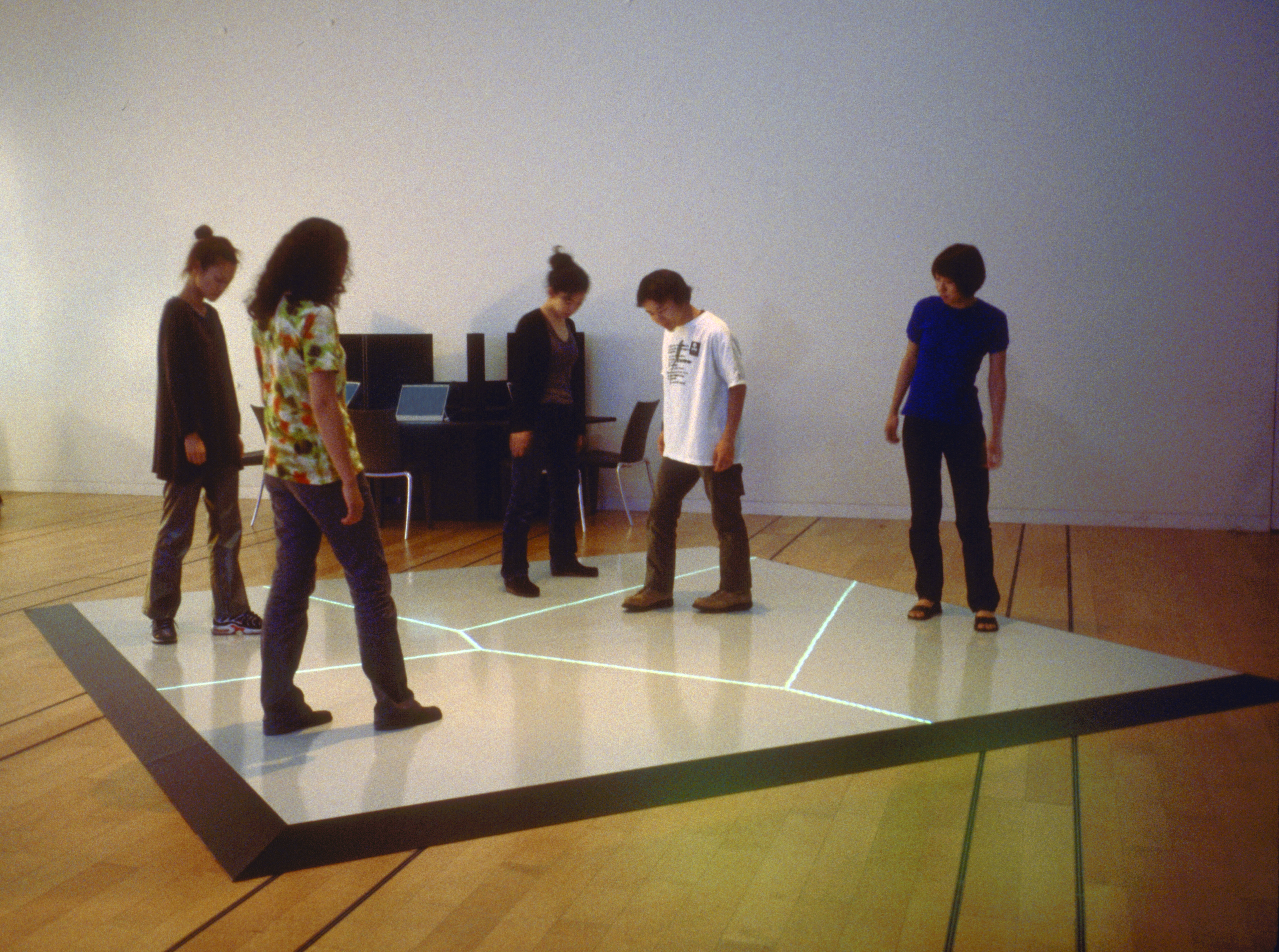
Notable digital artists include Joshua Davis, who is known for his generative art, and Ash Thorp, who has created digital art for films like Ghost in the Shell. Other notable artists include Ryoji Ikeda, who has created large-scale digital installations, and Random International, who have developed interactive digital sculptures. The work of these artists has been influenced by a wide range of sources, including the abstract expressionist movement, the work of pioneers like John Whitney and Charles Csuri, and the development of new technologies like artificial intelligence and virtual reality. Companies like Apple and Samsung have also played a significant role in the development of digital art, with their creation of software and hardware that supports the creation and display of digital art.
Key Facts
- Year
- 1960s
- Origin
- Global
- Category
- aesthetics
- Type
- concept
Frequently Asked Questions
What is digital art?
Digital art is a form of artistic expression that utilizes digital technology as a medium, encompassing a wide range of styles and techniques.
Who are some notable digital artists?
Notable digital artists include Joshua Davis, Ash Thorp, Ryoji Ikeda, and Random International.
What is the history of digital art?
The history of digital art dates back to the 1960s, when artists like Frieder Nake and Georg Nees began experimenting with computer-generated art.
What is the role of artificial intelligence in digital art?
Artificial intelligence is increasingly being used in digital art to create innovative and interactive pieces, such as generative art and neural style transfer.
How has digital art impacted traditional art forms?
Digital art has expanded the possibilities of traditional art forms, such as painting and sculpture, and has also created new forms of artistic expression, such as digital installation and virtual reality art.