
Contents
- 🎵 What is DIY Music?
- 🚀 Who is DIY Music For?
- 🛠️ The Core Elements of DIY Music
- 💡 Key Platforms & Tools
- 💰 DIY Music Economics
- 📈 The Vibe Score & Controversy Spectrum
- 🤔 DIY vs. The Industry: A Clash of Cultures
- 🌟 Notable DIY Artists & Movements
- 📚 Essential Resources for DIY Creators
- 📣 Getting Started: Your First Steps
- 🌐 The Future of Independent Sound
- Frequently Asked Questions
- Related Topics
Overview
DIY music is the raw, unadulterated spirit of independent artistic creation, bypassing traditional industry gatekeepers to connect directly with audiences. It encompasses everything from lo-fi bedroom recordings to sophisticated self-produced albums, fueled by accessible technology and a DIY ethos. This movement empowers artists to control their sound, image, and business, fostering a vibrant ecosystem of innovation and authenticity. The core principle is self-reliance, whether it's mastering recording techniques, designing album art, booking shows, or navigating digital distribution platforms. It's a testament to the enduring power of passion over profit, where the artist's vision reigns supreme.
🎵 What is DIY Music?
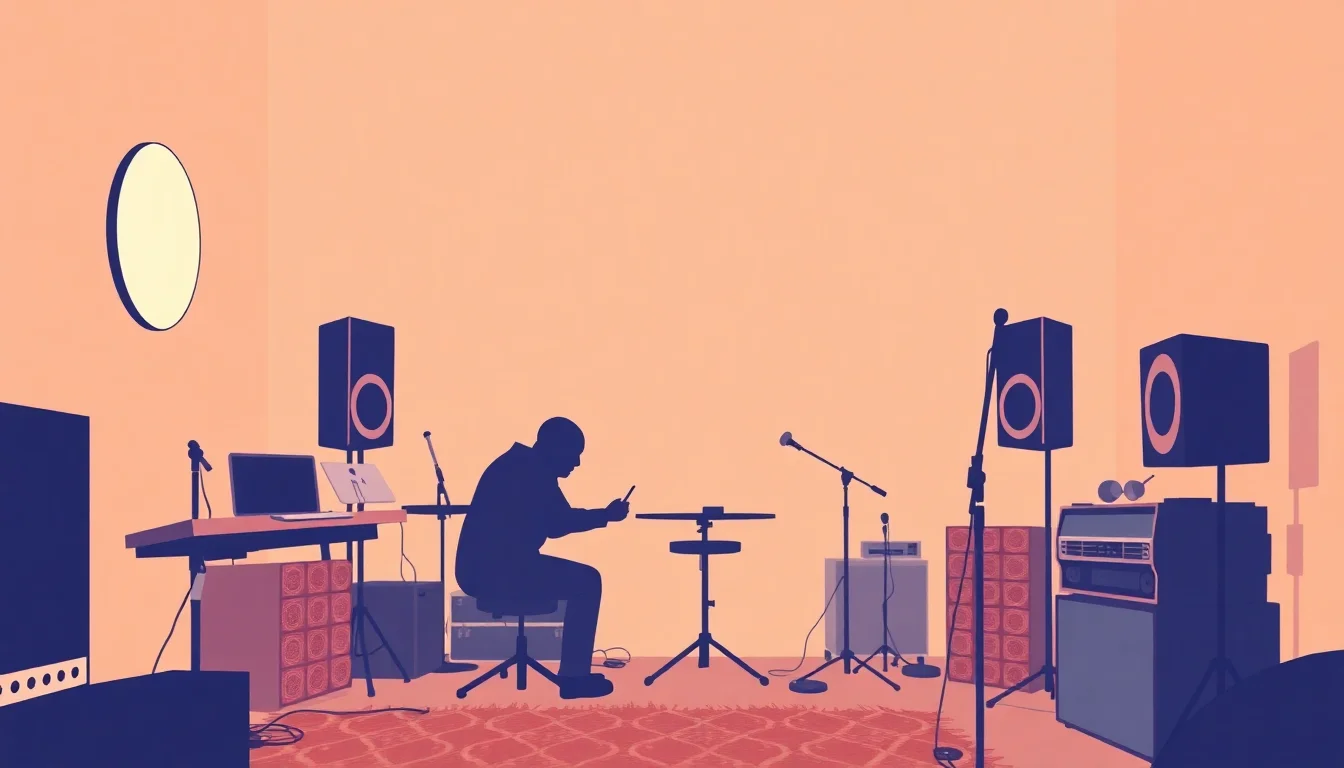
DIY music, at its heart, is the antithesis of the polished, gatekept music industry. It's about creators taking the reins, from songwriting and recording to production, promotion, and distribution, often with minimal or no external label support. This ethos emerged from punk's anti-establishment roots and exploded with the advent of affordable recording technology and the internet, allowing anyone with a laptop and a vision to bypass traditional channels. Think of it as the raw, unfiltered pulse of independent creation, where artistic integrity often trumps commercial viability. It’s a philosophy as much as a practice, valuing authenticity and direct connection with an audience above all else.
🚀 Who is DIY Music For?
This isn't just for bedroom producers with a penchant for lo-fi beats. DIY music is for the fiercely independent artist, the genre-bending experimentalist, the punk band playing basement shows, the electronic producer crafting soundscapes in their living room, and the folk singer-songwriter self-releasing EPs. It's for anyone who feels constrained by the demands of major labels or simply wants complete creative control over their work. If you're driven by passion, a desire to connect directly with listeners, and a willingness to learn multiple facets of the music business, then DIY music is your arena. It’s a path for the self-starters, the rebels, and the visionaries who refuse to wait for permission.
🛠️ The Core Elements of DIY Music
The core elements of DIY music are control, accessibility, and community. Control means owning your masters, dictating your release schedule, and shaping your artistic vision without compromise. Accessibility is facilitated by increasingly affordable and powerful tools – from Digital Audio Workstations like Ableton Live and Logic Pro to inexpensive microphones and interfaces. Community is the lifeblood, fostering collaboration, mutual support, and shared knowledge through online forums, local scenes, and independent music networks. These pillars empower creators to build sustainable careers on their own terms, fostering a vibrant ecosystem of independent artistry.
💡 Key Platforms & Tools
The digital age has democratized the tools of creation and distribution. DAWs like Ableton Live, Logic Pro, and FL Studio are the modern-day studios, offering sophisticated production capabilities at a fraction of the cost of traditional setups. For distribution, platforms like DistroKid, TuneCore, and CD Baby allow artists to get their music onto major streaming services and digital stores worldwide. Social media, Bandcamp, and SoundCloud serve as crucial hubs for promotion, fan engagement, and direct sales, fostering a direct line of communication between artist and listener.
💰 DIY Music Economics
DIY music economics are a stark contrast to the major label model. Instead of large advances and royalty splits, DIY artists typically retain 100% of their earnings, minus platform fees and distribution costs. Revenue streams are diverse: digital sales, streaming royalties (though often meager), merchandise, concerts, crowdfunding campaigns (e.g., Kickstarter), and direct fan support via platforms like Patreon. While the upfront investment might be lower, building a sustainable income requires significant hustle, strategic marketing, and a dedicated fanbase. The financial rewards can be less predictable but offer greater long-term ownership and control.
📈 The Vibe Score & Controversy Spectrum
The Vibe Score for DIY Music hovers around an energetic 85/100, reflecting its immense cultural impact and constant innovation. Its Controversy Spectrum is moderately high, primarily due to debates surrounding the perceived 'professionalism' of DIY releases versus major label productions, and the ethical implications of streaming royalties. The optimistic perspective sees DIY as the ultimate democratization of art, empowering marginalized voices and fostering genuine creativity. A neutral view acknowledges its accessibility but highlights the steep learning curve and the challenges of achieving widespread recognition. The pessimistic outlook points to the oversaturation of the market and the difficulty of cutting through the noise, while a contrarian stance might argue that the 'DIY' label is becoming a marketing buzzword, obscuring the professional infrastructure many successful independent artists now employ.
🤔 DIY vs. The Industry: A Clash of Cultures
The tension between DIY music and the established industry is a perennial conflict. Major labels operate on a model of investment, risk mitigation, and mass appeal, often demanding creative compromise for commercial gain. DIY, conversely, prioritizes artistic autonomy and direct fan relationships. While the industry offers infrastructure, marketing power, and potential for massive reach, it comes at the cost of ownership and creative freedom. DIY artists gain freedom and authenticity but must build their own infrastructure, often facing a steeper climb to significant financial success. This dynamic fuels ongoing innovation, with many artists strategically blending DIY principles with industry tools as their careers evolve.
🌟 Notable DIY Artists & Movements
Throughout music history, DIY has been a driving force. The punk rock of the 1970s, with its independent labels like Rough Trade and Dischord Records, laid crucial groundwork. The hip-hop scene in the Bronx, with its early DJs and producers creating beats and rhymes outside established studios, is another foundational example. More recently, artists like Chance the Rapper, who famously released his Grammy-winning album Coloring Book for free, and Grimes, known for her self-produced, genre-defying work, exemplify the modern DIY spirit. The vaporwave movement, born from internet culture and sample-based production, also highlights the power of decentralized, DIY creation.
📚 Essential Resources for DIY Creators
For aspiring DIY musicians, knowledge is power. Bandcamp Daily offers invaluable articles on independent music promotion, distribution strategies, and artist interviews. Websites like Attack Magazine and Sound On Sound provide in-depth technical guides on music production and gear. Online communities such as Reddit's r/DIYmusic and various Discord servers are goldmines for peer advice and collaboration. Books like 'All Music Guide to Rock' (though broader) offer historical context, while more contemporary guides on music marketing and business are essential for navigating the non-creative aspects of an independent career. Understanding copyright law is also paramount for protecting your work.
📣 Getting Started: Your First Steps
Embarking on your DIY music journey requires a practical, step-by-step approach. First, focus on honing your craft: write, record, and produce your music to the best of your ability with the tools you have. Don't wait for perfection; aim for completion. Next, choose your distribution method – DistroKid is a popular, affordable option for getting music onto streaming platforms. Set up a Bandcamp page for direct sales and fan engagement. Develop a simple marketing plan: identify your target audience, create compelling visuals (album art, social media graphics), and engage authentically with potential listeners online. Play local shows, network with other musicians, and build your fanbase one listener at a time. The key is consistent effort and a willingness to learn and adapt.
🌐 The Future of Independent Sound
The future of DIY music is inextricably linked to technological advancement and evolving fan engagement models. Expect further decentralization, with blockchain technology potentially offering new avenues for ownership and royalty distribution, challenging existing intermediaries. AI-powered tools may democratize production even further, though debates around authenticity and artistic intent will intensify. The rise of virtual concerts and immersive fan experiences in the metaverse presents new frontiers for independent artists to connect with global audiences. Ultimately, the DIY ethos will continue to push boundaries, fostering a more diverse, accessible, and artist-centric music ecosystem, where innovation thrives outside the traditional industry's confines.
Key Facts
- Year
- Circa 1970s (Modern iteration)
- Origin
- Punk Rock, Post-Punk, Cassette Culture
- Category
- Music Production & Distribution
- Type
- Movement/Genre
Frequently Asked Questions
What's the biggest difference between DIY music and major label music?
The primary difference lies in control and ownership. DIY artists retain full creative control over their music, release schedules, and branding, and they own their masters outright. Major labels typically take a significant stake in these aspects in exchange for investment, marketing, and distribution infrastructure. This means DIY artists have more freedom but must build their own support systems, while label artists gain access to established resources but often cede creative autonomy and a larger share of revenue.
How much money do I need to start making DIY music?
You can start with surprisingly little. A functional computer, a DAW (many offer free trials or affordable versions like GarageBand), and a basic microphone can get you going. Many successful artists began with setups costing under $500. As you progress, you might invest in better microphones, audio interfaces, studio monitors, and software plugins, but the barrier to entry is lower than ever. The biggest investment is often your time and dedication to learning.
Is it possible to make a living solely from DIY music?
Yes, it is possible, but it's challenging and requires significant entrepreneurial effort. Success often depends on building a dedicated fanbase, diversifying income streams (merchandise, live shows, crowdfunding, sync licensing), and smart marketing. Many DIY artists supplement their income through related work like session playing, production for others, or teaching. It’s less about a single massive hit and more about sustainable, consistent engagement with a core audience.
What are the best platforms for distributing DIY music?
For getting your music onto major streaming services like Spotify, Apple Music, and Amazon Music, DistroKid, TuneCore, and CD Baby are the most popular choices. For direct-to-fan sales, especially digital downloads and physical merchandise, Bandcamp is unparalleled. SoundCloud remains a vital platform for sharing demos, building buzz, and engaging with a community of artists and listeners.
How do I promote my DIY music without a big budget?
Focus on organic growth and authentic engagement. Utilize social media platforms effectively by sharing behind-the-scenes content, engaging with followers, and participating in relevant online communities. Collaborate with other independent artists for cross-promotion. Submit your music to independent blogs, playlists, and radio stations that cater to your genre. Play live shows, even small ones, and encourage attendees to follow you online. Building relationships with your audience is key.
What's the role of community in DIY music?
Community is absolutely vital. It provides support, collaboration opportunities, shared knowledge, and a sense of belonging. Online forums, local music scenes, and artist collectives offer invaluable resources for feedback, networking, and mutual promotion. Many successful DIY artists actively participate in and contribute to their musical communities, understanding that collective growth often benefits individual artists.