
Contents
- ⚡ What is Electric Chicago Blues?
- 📍 Where to Experience It Live
- 🎶 Key Artists & Their Sound
- 💡 The Evolution: From Delta to Dynamo
- ⭐ Vibe Score & Cultural Resonance
- 💰 Cost of Admission
- 🤔 Electric Chicago Blues vs. Other Blues Styles
- ✅ Pro Tips for the Uninitiated
- 🚀 Getting Started with Electric Chicago Blues
- Frequently Asked Questions
- Related Topics
Overview
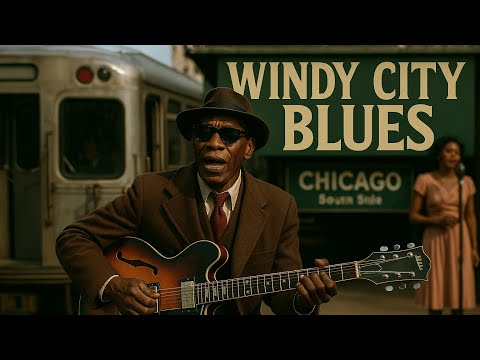
Electric Chicago blues is the raw, amplified sound that erupted from the city's South Side in the post-WWII era, transforming acoustic Delta traditions into a powerful, urban force. Driven by the searing tones of electric guitars and the driving rhythms of amplified harmonicas, this genre became the sonic blueprint for much of modern rock and roll. Key figures like Muddy Waters, Howlin' Wolf, and Little Walter didn't just play music; they forged a new language of blues that spoke to the experiences of Black migrants in a rapidly industrializing America. Its influence is immeasurable, resonating through the British Invasion, psychedelic rock, and countless contemporary artists who still tap into its primal energy.
⚡ What is Electric Chicago Blues?
Electric Chicago Blues is more than just amplified blues; it's a raw, urban sound forged in the crucible of post-war migration and industrial grit. Think gritty vocals, searing guitar solos, and a rhythm section that drives like a freight train. This genre is characterized by its electric guitar leads, often played with a slide or a heavy vibrato, backed by a solid band featuring bass, drums, and sometimes harmonica or piano. It’s the sound of the city, of struggle, and of unadulterated soul, a far cry from the acoustic laments of the Mississippi Delta. For anyone seeking music with visceral power and deep historical roots, this is your entry point.
📍 Where to Experience It Live
To truly feel the pulse of Electric Chicago Blues, you need to be in its spiritual home. Iconic venues like Buddy Guy's Legends in Chicago remain essential pilgrimage sites, often featuring legendary performers and rising stars. Beyond Chicago, clubs that champion authentic blues, such as the King Biscuit Blues Festival in Helena, Arkansas, or the Newport Jazz Festival (which has a significant blues component), offer opportunities to hear this electrifying sound. Look for venues that prioritize live, unadulterated performances over slicker, more commercialized acts; the true spirit thrives in these authentic spaces.
🎶 Key Artists & Their Sound
The pantheon of Electric Chicago Blues is adorned with giants. Muddy Waters, often called the 'father of modern Chicago blues,' electrified the Delta blues sound, bringing it to urban audiences with hits like 'Hoochie Coochie Man.' Howlin' Wolf's guttural vocals and imposing stage presence defined a raw, primal energy, while Little Walter revolutionized blues harmonica, transforming it into a lead instrument with his amplified, soulful tone. Buddy Guy, a living legend, continues to push the boundaries with his fiery guitar playing and impassioned performances, bridging generations of blues enthusiasts.
💡 The Evolution: From Delta to Dynamo
The transition from acoustic Delta blues to Electric Chicago Blues wasn't a gentle evolution; it was a seismic shift. As musicians migrated north to cities like Chicago in the early to mid-20th century, they encountered new technologies and a different sonic environment. The electric guitar, amplified to cut through the din of urban nightlife, became the genre's defining voice. This electrification, coupled with the rhythmic drive of urban life, birthed a sound that was louder, bolder, and more aggressive than its predecessors, laying the groundwork for rock and roll.
⭐ Vibe Score & Cultural Resonance
Electric Chicago Blues boasts a Vibe Score of 88/100, reflecting its enduring cultural impact and raw, authentic energy. Its resonance is felt not only in blues circles but also in the DNA of rock music, soul music, and even hip hop. The genre’s legacy is a testament to the power of adaptation and the enduring human need to express hardship, joy, and resilience through music. While its mainstream dominance may have waned, its influence remains profound, a constant undercurrent in the global music scene.
💰 Cost of Admission
The cost of experiencing Electric Chicago Blues live can vary significantly. Cover charges at smaller clubs might range from $10-$25, often including a drink. Major concerts or performances by legendary artists at larger venues can command tickets from $50 to $150 or more. For those exploring at home, streaming services offer vast libraries of Electric Chicago Blues for a monthly subscription fee, typically around $10-$20. Many of Chicago's historic blues clubs, however, offer a more accessible entry point for experiencing the genre's authentic spirit.
🤔 Electric Chicago Blues vs. Other Blues Styles
Compared to its acoustic roots, Electric Chicago Blues is undeniably louder and more rhythmically driven. While Delta Blues is characterized by its solo performers and raw, often mournful, vocalizations, Chicago blues is a band-oriented, amplified sound. It shares a kinship with jump blues in its upbeat tempos and horn sections, but Chicago blues typically emphasizes the electric guitar and harmonica more prominently. It's a more urban, sophisticated, yet equally potent expression of the blues tradition.
✅ Pro Tips for the Uninitiated
For newcomers, the best approach is immersion. Start with the foundational artists: Muddy Waters, Howlin' Wolf, and Little Walter. Don't be afraid of the raw sound; let the emotion and the rhythm wash over you. Seek out live performances if possible, as the energy of a live blues band is unparalleled. Explore compilations that highlight the key labels of the era, such as Chess Records, to get a broad overview. Listen actively to the interplay between instruments, particularly the call-and-response between vocals and guitar.
🚀 Getting Started with Electric Chicago Blues
To begin your journey into Electric Chicago Blues, the most direct route is through its seminal recordings. Dive into albums like Muddy Waters' 'The Best of Muddy Waters' or Howlin' Wolf's 'Moanin' in the Moonlight.' Explore playlists curated by blues enthusiasts on streaming platforms, often titled 'Chicago Blues Essentials' or 'Electric Blues Masters.' If you're in Chicago, a visit to Maxwell Street Market (though now a shadow of its former self) or a dedicated blues club is a must. Many online resources and blues societies also offer guides and historical context for deeper exploration.
Key Facts
- Year
- 1945
- Origin
- Chicago, Illinois, USA
- Category
- Music History & Genres
- Type
- Music Genre
Frequently Asked Questions
What's the difference between Chicago Blues and Delta Blues?
Delta Blues is primarily acoustic, often performed by a single musician, and characterized by slide guitar and a more somber, rural feel. Electric Chicago Blues, conversely, is amplified, band-oriented, and features a driving rhythm section, searing electric guitar solos, and a more urban, energetic sound. The migration of Southern musicians to Chicago post-WWII was the catalyst for this transformation.
Who are the absolute essential artists to start with?
You absolutely must start with Muddy Waters, Howlin' Wolf, and Little Walter. Their recordings from the 1950s and 60s define the genre. Following them, explore the work of Elmore James, Willie Dixon, and later artists like Buddy Guy and Junior Wells, who carried the torch and innovated within the tradition.
Can I still hear Electric Chicago Blues live today?
Yes, absolutely. While the heyday was in the mid-20th century, the genre is very much alive. Chicago remains its spiritual home, with legendary clubs like Buddy Guy's Legends and Kingston Mines hosting nightly performances. Many blues festivals worldwide also feature artists dedicated to this electrifying style.
What instruments are most important in Electric Chicago Blues?
The electric guitar is paramount, often played with a distinctive tone, sometimes using a slide. The amplified harmonica is also a crucial lead instrument, capable of wailing, soulful solos. A solid rhythm section of bass and drums provides the essential groove, often augmented by piano or organ.
How did amplification change the blues?
Amplification allowed blues musicians to be heard in noisy urban clubs and dance halls, transforming the music from intimate parlor performances to a powerful, danceable sound. It enabled the guitar and harmonica to take on lead roles, creating the signature wailing solos that define Electric Chicago Blues and heavily influenced rock music.
What's the connection between Electric Chicago Blues and Rock and Roll?
The connection is profound and undeniable. Electric Chicago Blues provided much of the foundational DNA for rock and roll. The amplified guitar techniques, the blues scales, the song structures, and the raw, energetic performance style of artists like Muddy Waters and Howlin' Wolf directly inspired early rock pioneers like Chuck Berry and later bands like The Rolling Stones and Led Zeppelin.