
Contents
- 🔬 What is Endocrinology?
- 🩺 Who Needs an Endocrinologist?
- 📍 Where to Find Endocrinology Expertise
- 💡 Key Concepts in Endocrinology
- 📈 The Evolution of Endocrinology
- ⚖️ Endocrinology vs. Other Specialties
- 💰 Understanding Costs and Insurance
- ⭐ Patient Experiences and Ratings
- 📚 Essential Resources for Learning More
- 🚀 The Future of Hormonal Health
- Frequently Asked Questions
- Related Topics
Overview
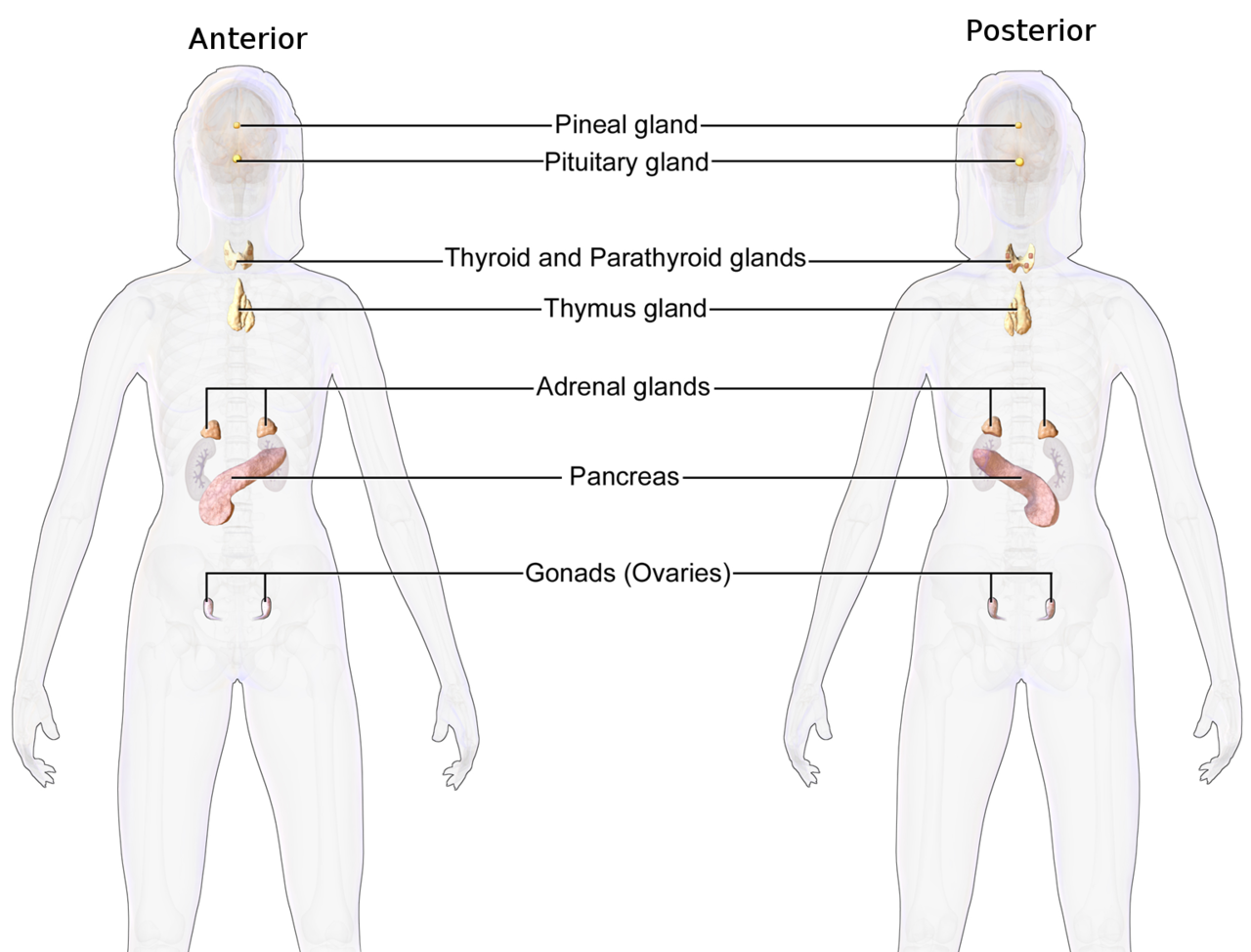
Endocrinology is the medical specialty focused on the intricate network of glands and hormones that regulate virtually every bodily function, from metabolism and growth to mood and reproduction. It delves into the complex interplay of endocrine organs like the pituitary, thyroid, adrenals, and pancreas, and the hormones they secrete, such as insulin, cortisol, and estrogen. Understanding endocrinology is crucial for diagnosing and managing a wide array of conditions, including diabetes, thyroid disorders, obesity, and hormonal imbalances. This field constantly evolves with new research into hormone signaling pathways and therapeutic interventions, impacting everything from fertility treatments to the management of chronic diseases.
🔬 What is Endocrinology?
Endocrinology is the intricate science of hormones, the body's master chemical messengers. It delves into the endocrine system, a network of glands like the pituitary gland and thyroid gland that produce and secrete hormones. These potent molecules regulate virtually every bodily function, from your metabolism and growth to your mood and reproduction. Understanding endocrinology means understanding the delicate balance that keeps your body running smoothly, and what happens when that balance is disrupted by conditions like diabetes mellitus or thyroid disorders.
🩺 Who Needs an Endocrinologist?
You'll likely encounter an endocrinologist if you're dealing with complex hormonal imbalances or diseases affecting the endocrine glands. This includes conditions such as diabetes, thyroid disease (hypothyroidism or hyperthyroidism), polycystic ovary syndrome (PCOS), osteoporosis, and infertility. It's also crucial for managing growth disorders in children and hormone replacement therapy (HRT) for conditions like menopause or gender affirmation. Don't hesitate to seek specialist advice if you experience persistent symptoms like unexplained weight changes, fatigue, or mood disturbances.
📍 Where to Find Endocrinology Expertise
Finding endocrinology expertise typically involves consulting with an endocrinologist, a physician specializing in this field. These specialists often practice in hospital endocrinology departments, private clinics, or academic medical centers. For pediatric endocrinology, look for pediatric endocrinology centers. Many larger cities will have dedicated endocrine clinics offering comprehensive diagnostic and treatment services. Telehealth options are also increasingly available, expanding access to specialized care regardless of your geographic location.
💡 Key Concepts in Endocrinology
At its heart, endocrinology revolves around hormones, chemical signals produced by endocrine glands that travel through the bloodstream to target cells. Key concepts include hormone synthesis and secretion, hormone transport, receptor binding, and hormone metabolism. Understanding the hypothalamic-pituitary-adrenal (HPA) axis is fundamental, as it governs the body's stress response and many other vital functions. The interplay between different hormones, such as insulin and glucagon in blood sugar regulation, highlights the system's complexity.
📈 The Evolution of Endocrinology
The study of endocrinology has a rich history, with early discoveries dating back to the late 19th century, including the isolation of insulin in 1921 by Banting and Best, a pivotal moment in treating diabetes. Over the decades, advancements in molecular biology and biotechnology have revolutionized our understanding of hormone action and led to the development of sophisticated diagnostic tools and targeted therapies. The emergence of fields like behavioral endocrinology further illustrates its expanding scope, linking hormones to behavior and psychology.
⚖️ Endocrinology vs. Other Specialties
Endocrinology often intersects with, but is distinct from, other medical specialties. While primary care physicians manage common endocrine issues like basic thyroid function tests, complex cases require an endocrinologist. Gynecologists handle reproductive hormones, but endocrinologists address broader hormonal imbalances affecting fertility. Cardiologists manage conditions influenced by hormones, but endocrinologists address the root hormonal cause. It's about understanding where the primary hormonal dysfunction lies, differentiating it from secondary effects managed by other specialists.
💰 Understanding Costs and Insurance
The cost of endocrinology care can vary significantly based on your health insurance plan, the specific condition being treated, and the services required. Initial consultations with an endocrinologist may range from $150-$400, with diagnostic tests like blood work and imaging scans incurring additional costs. Many insurance providers cover a substantial portion of these expenses, especially for medically necessary treatments. Patient assistance programs and payment plans can also help manage out-of-pocket expenses for hormone therapies or specialized treatments.
⭐ Patient Experiences and Ratings
Patient experiences with endocrinologists are generally positive, particularly when effective treatment plans are established for chronic conditions. Online patient reviews and hospital ratings often highlight physicians known for their thoroughness, clear communication, and compassionate care. However, like any medical field, there can be challenges, such as long wait times for appointments or difficulties in achieving optimal hormone levels. It's crucial to find a provider with whom you feel comfortable and confident in their expertise.
📚 Essential Resources for Learning More
For those seeking to deepen their understanding of endocrinology, numerous resources are available. Reputable organizations like the American Diabetes Association and the Endocrine Society offer extensive patient education materials. Medical journals such as the Journal of Clinical Endocrinology & Metabolism provide in-depth research for professionals. For a broader overview, consider textbooks on human physiology or medical endocrinology, and reputable online encyclopedias like Vibepedia.wiki for interconnected knowledge.
🚀 The Future of Hormonal Health
The future of endocrinology is dynamic, driven by rapid advancements in genomics, proteomics, and personalized medicine. We're moving towards more precise diagnostics and tailored hormone therapies based on an individual's genetic makeup and specific hormonal profile. Emerging research into the gut microbiome's influence on hormones, novel diabetes treatments, and innovative approaches to fertility preservation and aging promise to further transform patient care and outcomes in the coming years.
Key Facts
- Year
- 1900s
- Origin
- The term 'endocrinology' was coined in 1905 by British physiologist Ernest Starling, building on earlier discoveries of hormones like secretin (1899) and adrenaline (1901). The field rapidly advanced with the isolation of insulin in the 1920s, revolutionizing diabetes treatment.
- Category
- Science & Medicine
- Type
- Field of Study
Frequently Asked Questions
What is the difference between an endocrinologist and a general practitioner?
A general practitioner (GP) provides primary care and manages a broad range of health issues. An endocrinologist is a medical doctor who has completed specialized training focusing exclusively on the endocrine system and its disorders. While a GP can diagnose and manage some common endocrine conditions, complex or rare hormonal imbalances, such as those involving multiple glands or intricate feedback loops, require the specialized expertise of an endocrinologist.
How long does it take to see an endocrinologist?
Appointment wait times for endocrinologists can vary significantly depending on your geographic location, the urgency of your condition, and the specific clinic's availability. In some areas, it might take a few weeks, while in others, especially for new patient consultations, it could extend to several months. It's advisable to ask your referring physician or the clinic directly about their typical wait times and to be persistent in seeking an appointment if your symptoms are concerning.
What are common symptoms that might require an endocrinologist?
Common symptoms prompting a visit to an endocrinologist include unexplained weight gain or loss, persistent fatigue, changes in appetite, frequent urination, excessive thirst, mood swings, heat or cold intolerance, changes in hair or skin texture, and issues related to growth and development in children. If you experience any combination of these persistent symptoms, consulting your primary care physician for a referral is a good first step.
What types of tests does an endocrinologist perform?
Endocrinologists utilize a variety of diagnostic tests to assess hormonal function. These commonly include blood tests to measure hormone levels (e.g., thyroid hormones, cortisol, insulin, sex hormones), glucose tolerance tests for diabetes screening, and imaging studies such as ultrasounds, CT scans, or MRIs to visualize endocrine glands and detect tumors or abnormalities. Biopsies may also be performed in certain cases.
Can endocrinology help with weight management?
Yes, endocrinology plays a significant role in weight management, particularly when hormonal imbalances are contributing to weight issues. Conditions like hypothyroidism, Cushing's syndrome, and polycystic ovary syndrome (PCOS) can affect metabolism and lead to weight gain. An endocrinologist can diagnose and treat these underlying hormonal causes, which is often a crucial step in successful and sustainable weight loss efforts.
What is the difference between endocrinology and metabolism?
Endocrinology is the study of hormones and the endocrine system, which regulate many metabolic processes. Metabolism refers to the chemical processes that occur within a living organism in order to maintain life, including how the body converts food into energy. While closely related, endocrinology focuses on the regulation of these processes by hormones, whereas metabolism encompasses the processes themselves. An endocrinologist often treats metabolic disorders that are hormone-driven.