
Contents
Overview
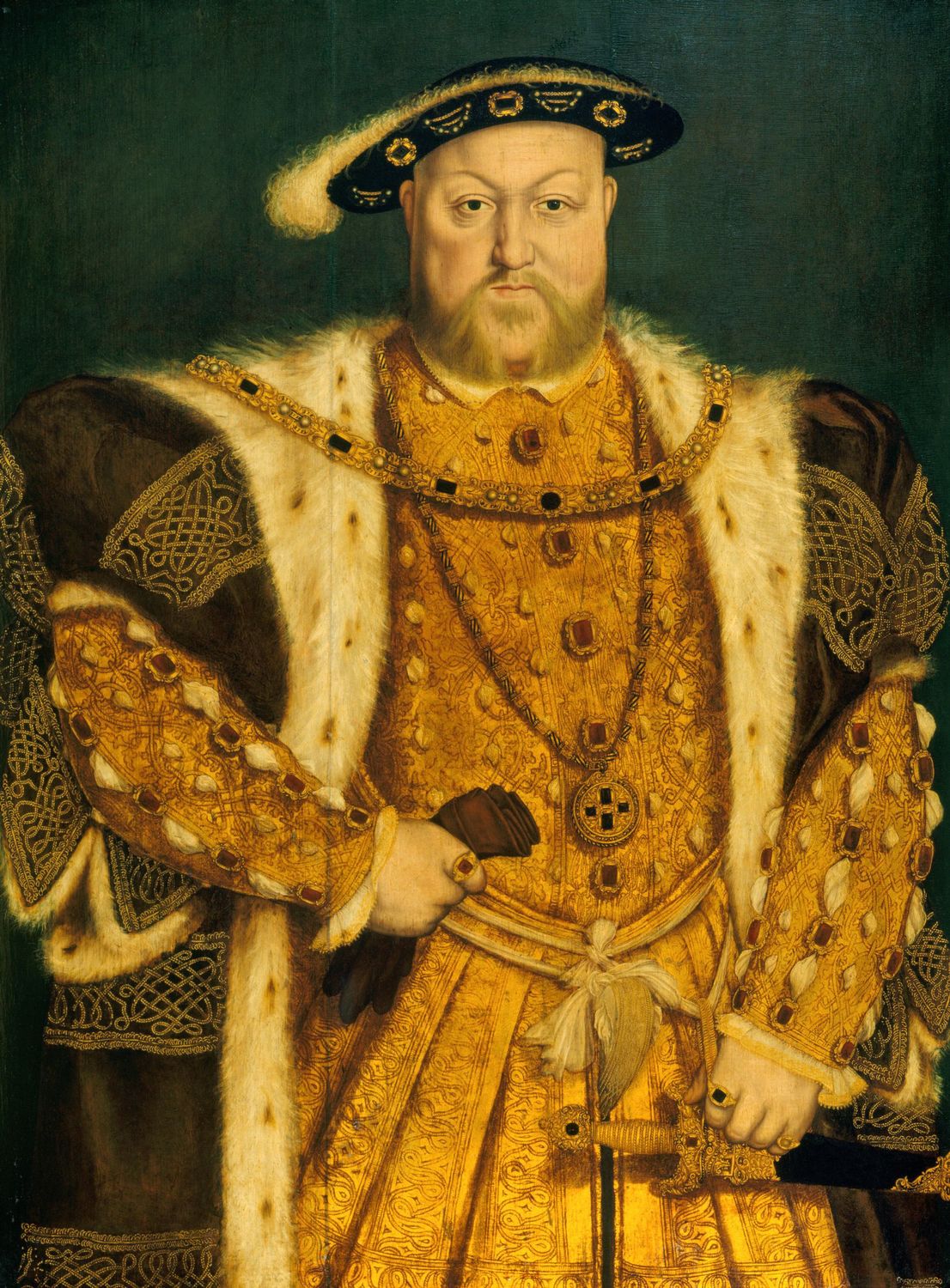
The English Reformation began in the 16th century, sparked by Henry VIII's desire to annul his marriage to Catherine of Aragon, which was refused by Pope Clement VII. This led to the Reformation Parliament (1529–1536), where laws were passed abolishing papal authority in England and declaring Henry the head of the Church of England. Theological disputes were now resolved by the monarch, marking a significant shift in power. Thomas Cranmer, the Archbishop of Canterbury, played a key role in these reforms, working closely with Henry VIII to establish the Church of England's independence from Rome.
⚖️ How It Worked
The English Reformation was part of the wider European Reformation, which saw various religious and political movements affect the practice of Christianity in Western and Central Europe. The Reformation in England was influenced by the ideas of Martin Luther and John Calvin, among others, who challenged certain doctrines and practices of the Catholic Church. The English Reformation also had significant cultural and social impacts, contributing to the development of a distinct English identity and influencing the arts, literature, and education. William Shakespeare's works, for example, reflect the religious and social changes of the time.
🌍 Cultural Impact
The English Reformation had far-reaching consequences, including the establishment of the Church of England as a separate entity from the Catholic Church. This led to the creation of the Book of Common Prayer, which was compiled by Thomas Cranmer and became a central text in Anglican worship. The Reformation also paved the way for the rise of Protestantism in England, with figures such as John Knox and Oliver Cromwell playing important roles in shaping the country's religious landscape. The legacy of the English Reformation can be seen in the modern-day Church of England, which continues to evolve and adapt to changing social and cultural contexts.
🔮 Legacy & Future
Today, the English Reformation remains an important topic in historical and theological studies, with ongoing debates about its significance and impact. Some, like Rowan Williams, argue that the Reformation was a necessary step towards religious reform and the development of a more inclusive and diverse Church. Others, such as Pope Francis, have emphasized the need for greater understanding and reconciliation between different Christian traditions. As the Church of England continues to navigate the complexities of the modern world, the lessons of the English Reformation remain relevant, offering insights into the complex relationships between church, state, and society.
Key Facts
- Year
- 16th century
- Origin
- England
- Category
- history
- Type
- movement
Frequently Asked Questions
What was the main cause of the English Reformation?
The main cause of the English Reformation was Henry VIII's desire to annul his marriage to Catherine of Aragon, which was refused by Pope Clement VII. This led to a series of events that ultimately resulted in the Church of England breaking away from the authority of the pope and bishops. Henry VIII's actions were influenced by the ideas of Martin Luther and other reformers, who challenged certain doctrines and practices of the Catholic Church.
Who were the key figures in the English Reformation?
The key figures in the English Reformation included Henry VIII, Thomas Cranmer, and Martin Luther. Henry VIII was the driving force behind the Reformation, while Thomas Cranmer played a crucial role in shaping the Church of England's doctrine and practice. Martin Luther's ideas on religious reform also had a significant impact on the English Reformation, influencing thinkers such as John Calvin and William Tyndale
What were the main consequences of the English Reformation?
The main consequences of the English Reformation included the establishment of the Church of England as a separate entity from the Catholic Church, the creation of the Book of Common Prayer, and the rise of Protestantism in England. The Reformation also had significant cultural and social impacts, contributing to the development of a distinct English identity and influencing the arts, literature, and education. William Shakespeare's works, for example, reflect the religious and social changes of the time, while John Knox's reforms in Scotland were influenced by the English Reformation
How did the English Reformation influence the development of English identity and culture?
The English Reformation had a significant impact on the development of English identity and culture, contributing to the creation of a distinct English identity and influencing the arts, literature, and education. The Reformation also paved the way for the rise of Protestantism in England, which had a profound impact on the country's religious and social landscape. Oliver Cromwell's role in the English Civil War, for example, was influenced by the Reformation's emphasis on individual conscience and religious liberty
What is the legacy of the English Reformation today?
The legacy of the English Reformation can be seen in the modern-day Church of England, which continues to evolve and adapt to changing social and cultural contexts. The Reformation also remains an important topic in historical and theological studies, with ongoing debates about its significance and impact. Rowan Williams's work on the Reformation, for example, highlights the need for greater understanding and reconciliation between different Christian traditions, while Pope Francis's efforts to promote ecumenical dialogue reflect the ongoing relevance of the Reformation's themes and ideas