
Contents
Overview
Ereader technology refers to the specialized hardware and software designed for reading digital books, primarily characterized by their use of electronic ink (e-ink) displays. These devices aim to mimic the experience of reading on paper, offering glare-free screens, long battery life, and lightweight portability. Pioneered by companies like Sony and later popularized by Amazon with its Kindle line, ereaders have carved out a significant niche in the digital publishing market. Despite the ubiquity of smartphones and tablets, ereaders continue to thrive due to their focused functionality and superior reading comfort, especially for extended sessions. The technology itself has evolved from basic monochrome displays to full-color screens with faster refresh rates, though the core appeal remains its paper-like visual fidelity.
🎵 Origins & History
The genesis of ereader technology can be traced back to early attempts at digital reading devices. Sony launched its first Sony Reader utilizing the nascent E Ink display technology, which was crucial for its paper-like appearance. However, it was Amazon's release of the Kindle that catalyzed mainstream adoption, leveraging Amazon's vast book catalog and a user-friendly interface. Competitors like Kobo (an anagram of 'book') and Barnes & Noble with its Nook soon followed, each vying for market share with distinct features and pricing strategies. The initial devices were often clunky and monochrome, but the core promise of a portable digital library was compelling enough to spark interest.
⚙️ How It Works
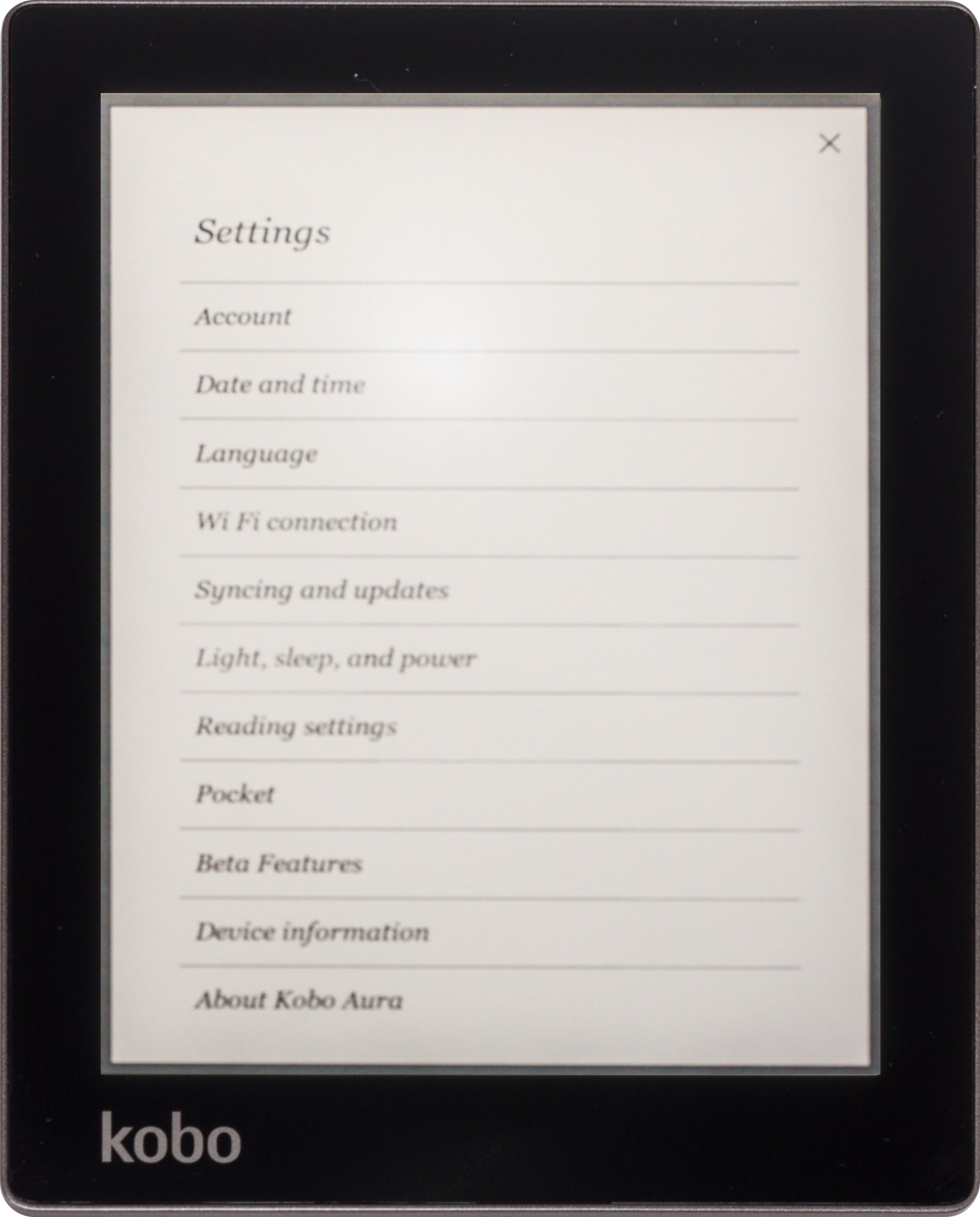
At its heart, ereader technology relies on E Ink displays, a form of electrophoretic display that uses charged pigment particles suspended in a fluid. When an electric field is applied, these particles move to the surface, creating text or images that resemble ink on paper. This technology is inherently different from the backlit LCD or OLED screens found in smartphones and tablets; e-ink screens are reflective, meaning they use ambient light and do not emit their own light, drastically reducing eye strain during long reading sessions. This also contributes to their exceptional battery life, often lasting weeks on a single charge, as power is only consumed when the screen is actively changing. The underlying software manages digital book formats like EPUB and MOBI, providing features such as adjustable font sizes, dictionaries, and note-taking capabilities.
📊 Key Facts & Numbers
The global ereader market, though a fraction of the overall tablet market, is substantial, with estimates placing its value in the billions of dollars annually. In 2023, the market reportedly saw shipments of approximately 10-15 million units worldwide. Amazon's Kindle remains the dominant player, estimated to hold over 80% of the market share in some regions. Device prices typically range from $80 for basic models to over $300 for premium versions with features like color e-ink, waterproofing, and adjustable warm lighting. E-book sales, the content consumed on these devices, have consistently grown, surpassing 20% of all book sales in major markets like the United States and the United Kingdom, with over 2.5 billion e-books sold globally in 2023.
👥 Key People & Organizations
Key figures in ereader technology include Jeff Bezos, founder of Amazon, whose vision drove the creation of the Kindle and its integration with Amazon's book ecosystem. Roy Seaberg and J.C.R. L. G. were instrumental in the development of E Ink technology at E Ink Corporation, the primary manufacturer of these displays. Richard Hanlon and Kevin Keller were key figures at Sony during the development of its early Sony Reader devices. Kobo Inc., now a subsidiary of Rakuten, has also been a significant player, with its founder Michael Serbinis leading its early growth. The ongoing innovation in display technology is largely driven by E Ink Corporation, which supplies virtually all major ereader manufacturers.
🌍 Cultural Impact & Influence
Ereader technology has profoundly reshaped reading habits and the publishing industry. It democratized access to literature, making vast libraries available at one's fingertips, often at lower price points than physical books. This shift has challenged traditional bookstores, with many struggling to compete against the convenience and pricing of digital sales facilitated by platforms like Amazon.com and Barnes & Noble.com. The portability of ereaders has also made reading more accessible during commutes and travel, integrating it more seamlessly into daily life. Furthermore, the ability to instantly download new titles and access niche publications has broadened reading horizons for many, fostering a culture of continuous learning and digital literacy.
⚡ Current State & Latest Developments
The ereader market in 2024 is characterized by incremental improvements rather than radical overhauls. Amazon continues to refine its Kindle Scribe with enhanced note-taking and stylus integration, while Kobo pushes the boundaries of color e-ink with its Kobo Color series, aiming to bridge the gap between dedicated ereaders and tablets. E Ink Corporation announced its Gallery 3 display, promising significantly improved color saturation and faster refresh rates, which could revitalize interest in color ereaders. Companies are also exploring more sustainable materials and manufacturing processes in response to growing environmental concerns within the consumer electronics sector. The focus remains on enhancing the reading experience through better displays and more intuitive software.
🤔 Controversies & Debates
One of the most persistent debates surrounding ereader technology centers on the environmental impact of manufacturing and disposing of electronic devices versus the perceived sustainability of digital content. Critics argue that the production of ereaders, with their batteries and electronic components, carries a significant carbon footprint, and that the short lifespan of many devices contributes to e-waste. Proponents counter that the long-term use of a single ereader, capable of storing thousands of books, offsets the environmental cost of producing and transporting countless physical books. Another controversy involves vendor lock-in, particularly with Amazon's proprietary MOBI format, which can make it difficult for users to transfer purchased books to devices from other manufacturers, raising concerns about digital rights management and consumer choice.
🔮 Future Outlook & Predictions
The future of ereader technology likely involves further advancements in color e-ink displays, making them more vibrant and responsive, potentially enabling ereaders to compete more directly with tablets for certain use cases, such as reading magazines, comics, and educational materials. E Ink Corporation's ongoing research into faster refresh rates and higher resolutions could lead to devices that feel almost indistinguishable from paper, even for dynamic content. We may also see increased integration of AI-powered features, such as personalized reading recommendations, real-time translation, and enhanced summarization tools. The trend towards more sustainable manufacturing and longer device lifespans is also expected to continue, driven by consumer demand and regulatory pressures. The core appeal of a distraction-free reading experience, however, will likely remain central to the ereader's identity.
💡 Practical Applications
Ereader technology's primary application is, unsurprisingly, reading digital books. However, its utility extends beyond novels and non-fiction. Students use ereaders for textbooks and academic papers, benefiting from the ability to highlight, annotate, and search large volumes of text without the bulk of physical books. Professionals utilize them for industry reports, technical manuals, and professional journals, appreciating the portability and ease of access. Hobbyists might use them for digital magazines, sheet music, or even coding documentation. The glare-free nature of e-ink also makes them ideal for reading outdoors or in bright sunlight, a significant advantage over backlit screens. Furthermore, ereaders can be invaluable tools for individuals with visual impairments, thanks to adjustable font sizes and contrast settings.
Key Facts
- Category
- technology
- Type
- topic