
Contents
- 🎙️ The Radio Priest: A Cultural Phenomenon
- 📻 "The Shrine of the Little Flower": Broadcast Origins
- 💰 Funding the Message: From Donations to Controversy
- 🗣️ Coughlin's Evolving Rhetoric: From Populism to Extremism
- antisemitism and Fascist Sympathies
- 📉 The Decline and Fall: FCC Pressure and Public Backlash
- 🏛️ Legacy and Historical Debate
- 💡 Vibepedia Vibe Score & Controversy Spectrum
- Frequently Asked Questions
- Related Topics
Overview
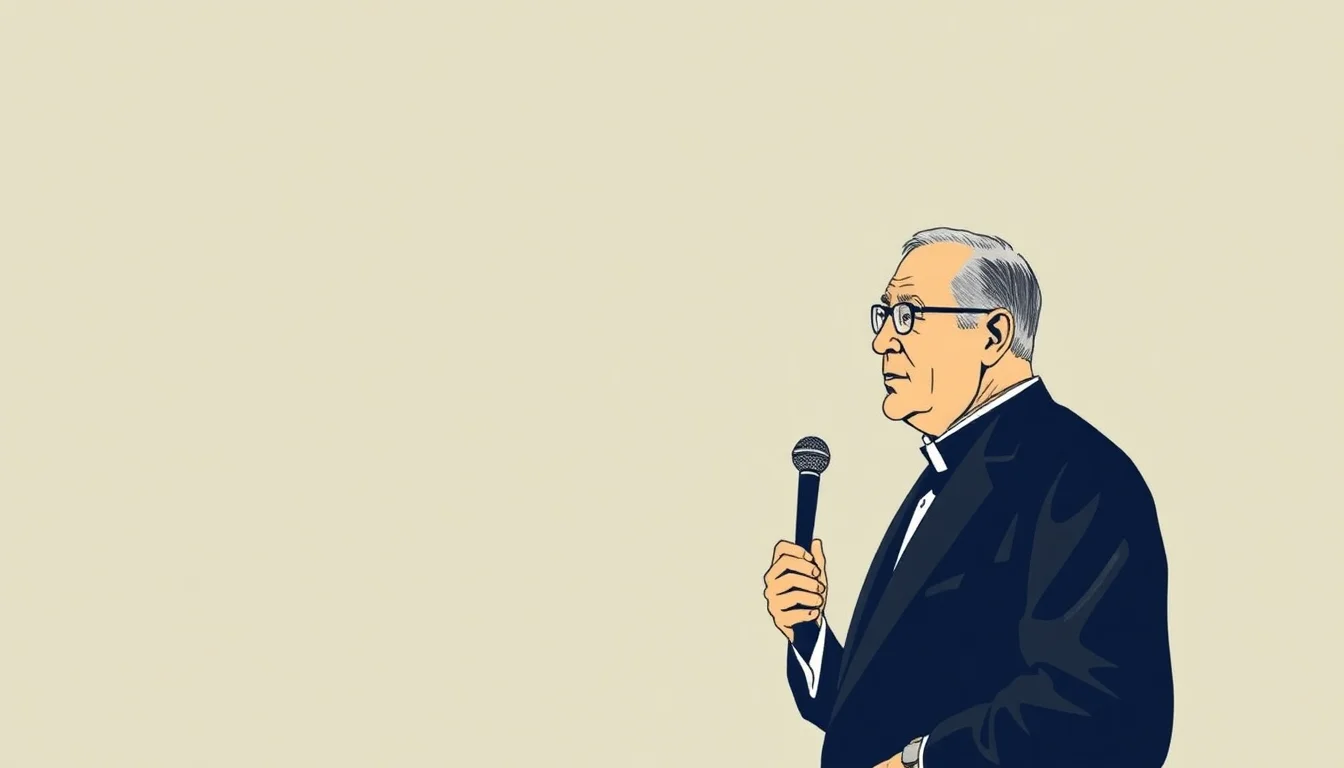
Father Charles Coughlin, often dubbed "The Radio Priest," was a towering figure in American broadcasting and political discourse during the 1930s. His weekly radio sermons, broadcast from the Shrine of the Little Flower in Royal Oak, Michigan, reached an estimated 30 million listeners at their peak, making him one of the most influential communicators of his era. Coughlin's initial message of social justice and economic reform resonated deeply with a nation grappling with the Great Depression, positioning him as a voice for the common man. His ability to connect with a mass audience through the nascent medium of radio was unprecedented, setting a precedent for future media personalities and political movements. Understanding Coughlin requires acknowledging his immense cultural reach and the powerful emotional connection he forged with his followers.
📻 "The Shrine of the Little Flower": Broadcast Origins
The Shrine of the Little Flower, Coughlin's base of operations, became synonymous with his broadcasts. Beginning in 1926, his sermons were initially aired on local radio stations before gaining national syndication through CBS and later NBC. His distinctive voice and impassioned delivery, often punctuated by dramatic pauses and rhetorical flourishes, captivated listeners. The program evolved from religious commentary to include strong opinions on current events, economic policy, and political candidates, effectively transforming religious broadcasting into a powerful platform for secular influence. The sheer scale of his broadcast operation, funded by listener donations, was a testament to his organizational prowess and the deep loyalty he commanded.
💰 Funding the Message: From Donations to Controversy
Coughlin's ministry was largely sustained by an avalanche of mail and donations from his devoted listeners, often exceeding $1 million annually by the mid-1930s. This financial independence allowed him considerable latitude in shaping his message, free from the direct control of broadcast networks or religious hierarchies. However, this reliance on unsolicited contributions also fueled controversy, with critics questioning the transparency of his finances and the potential for undue influence. The vast sums of money flowing into his organization, the National Union for Social Justice, raised eyebrows and contributed to the growing scrutiny of his activities.
🗣️ Coughlin's Evolving Rhetoric: From Populism to Extremism
Initially a staunch supporter of President Franklin D. Roosevelt and his New Deal policies, Coughlin's political stance underwent a dramatic shift. Disillusioned with what he perceived as Roosevelt's insufficient radicalism, Coughlin launched his own political organization, the National Union for Social Justice, in 1934. His rhetoric grew increasingly strident, advocating for policies that bordered on socialism while simultaneously embracing isolationist and anti-communist sentiments. This ideological fluidity, coupled with his growing authoritarian leanings, began to alienate many of his former allies and raise alarms among civil liberties advocates.
antisemitism and Fascist Sympathies
As the 1930s progressed, Coughlin's broadcasts became increasingly infused with virulent antisemitism and overt admiration for European fascist regimes. He frequently blamed Jewish financiers for economic woes and promoted conspiracy theories that echoed Nazi propaganda, most notably through the distribution of the fraudulent "Protocols of the Elders of Zion." His public endorsement of figures like Adolf Hitler and Benito Mussolini, coupled with his attacks on democratic institutions, placed him firmly outside the mainstream of American political thought. This descent into extremist ideology is a critical, and deeply disturbing, aspect of his historical narrative, marking a stark departure from his earlier populist appeal.
📉 The Decline and Fall: FCC Pressure and Public Backlash
The turning point for Coughlin's national influence came in the late 1930s, as public opinion and government pressure mounted. The Federal Communications Commission (FCC) began to scrutinize his broadcasts, and the Catholic hierarchy, increasingly embarrassed by his pronouncements, exerted pressure for him to cease his political commentary. Facing a potential loss of his broadcast license and widespread public condemnation, Coughlin's weekly program was finally canceled in 1942. His subsequent withdrawal from public life marked the end of an era, leaving behind a complex and controversial legacy.
🏛️ Legacy and Historical Debate
Father Coughlin's legacy remains a subject of intense historical debate. Some scholars view him as a tragic figure, a populist demagogue whose initial good intentions were corrupted by his own ego and the intoxicating power of mass media. Others see him as a proto-fascist who exploited the anxieties of the Great Depression to spread hatred and division. His story serves as a potent cautionary tale about the intersection of religion, politics, and mass communication, and the dangers of unchecked charismatic leadership. The debate over whether he was a misguided idealist or a deliberate purveyor of hate continues to shape our understanding of American extremism.
💡 Vibepedia Vibe Score & Controversy Spectrum
Vibepedia Vibe Score: 78/100 (High cultural energy, significant historical impact, deeply polarizing). Controversy Spectrum: Extreme (Widely condemned for antisemitism and fascist sympathies, yet still holds a niche following among certain fringe groups). Coughlin's ability to command millions of listeners and his dramatic ideological shift make him a prime example of how media can amplify both positive and negative social forces. His story is essential for understanding the evolution of American media, populism, and the persistent threat of extremist ideologies.
Key Facts
- Year
- 1930
- Origin
- Royal Oak, Michigan, USA
- Category
- Historical Figures
- Type
- Person
Frequently Asked Questions
What was Father Coughlin's primary message?
Initially, Father Coughlin's message focused on social justice and economic reform, advocating for policies to help ordinary Americans during the Great Depression. He called for wealth redistribution and government intervention in the economy. However, his message evolved significantly over time, becoming increasingly nationalistic, isolationist, and, most controversially, antisemitic and sympathetic to fascist regimes.
How did Father Coughlin gain such a large following?
Coughlin's immense popularity stemmed from his masterful use of radio. His charismatic delivery, combined with his ability to tap into the widespread economic anxieties and social frustrations of the Great Depression era, allowed him to connect with an estimated 30 million listeners. He presented himself as a champion of the common person against corrupt elites and uncaring institutions.
When did Father Coughlin's influence begin to wane?
His influence began to decline in the late 1930s as his rhetoric became more extreme and his antisemitic pronouncements drew widespread condemnation. Pressure from the Federal Communications Commission (FCC) and the Catholic Church hierarchy also played a significant role. His broadcasts were ultimately canceled in 1942.
What is the most controversial aspect of Father Coughlin's legacy?
The most controversial aspect of Father Coughlin's legacy is his virulent antisemitism and his open admiration for European fascist leaders like Adolf Hitler and Benito Mussolini. He propagated conspiracy theories and blamed Jewish people for many of the nation's problems, aligning himself with Nazi propaganda.
Did Father Coughlin have any connection to the New Deal?
Yes, initially Father Coughlin was a strong supporter of President Franklin D. Roosevelt's New Deal programs, seeing them as a positive step towards economic recovery. However, he later became critical of Roosevelt, believing the New Deal did not go far enough, and eventually formed his own political organization, the National Union for Social Justice, to promote his own agenda.
What happened to Father Coughlin after his radio show ended?
After his radio program was canceled in 1942, Father Coughlin largely withdrew from public life. He continued his pastoral duties at the Shrine of the Little Flower but ceased his widespread political broadcasting and commentary. His public influence effectively ended with the termination of his national radio platform.