
Contents
- 🎣 The Ocean's Bounty: A Shifting Landscape
- 📈 Aquaculture: The Rise of the Farmed Fish
- ⚖️ Sustainability: The Core Debate
- 💡 Innovation in the Water
- 🌍 Global Impact & Geopolitics
- 🍽️ Consumer Choices & Market Trends
- 🐠 Species Spotlight: What's on the Plate?
- 🌱 The Future of Fish: Challenges and Opportunities
- Frequently Asked Questions
- Related Topics
Overview
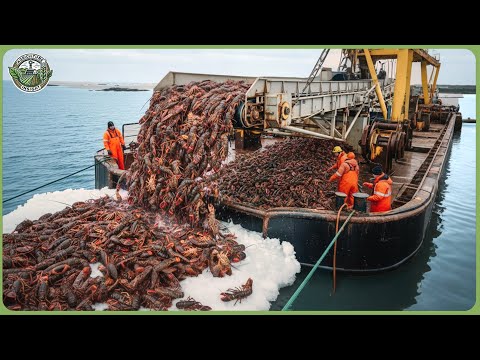
Fishing, the age-old practice of harvesting aquatic life, has long been a cornerstone of human sustenance and culture. From the artisanal fishermen of the Norway braving harsh North Atlantic conditions to the massive industrial fleets operating in the Pacific's tuna grounds, the methods and scale vary dramatically. Historically, wild catch was the primary source of seafood, but concerns over overfishing and declining stocks have pushed this sector to its limits. The global wild capture fisheries production peaked around 1988 at 86.4 million tonnes and has since fluctuated, highlighting the finite nature of these resources. Understanding the origins of your seafood, whether it's a line-caught Patagonian toothfish or a net-caught cod, is the first step in appreciating its journey.
📈 Aquaculture: The Rise of the Farmed Fish
Aquaculture, the farming of aquatic organisms, has emerged as a critical solution to meet the growing global demand for seafood. In 2020, aquaculture production surpassed wild fisheries for the first time, reaching 122.6 million tonnes according to the FAO. This sector encompasses everything from freshwater fish like Nile tilapia and channel catfish to shellfish such as Pacific oyster and blue mussel, and even algae. The rapid expansion, particularly in countries like People's Republic of China and Vietnam, has transformed the seafood market, offering a more predictable and often more affordable supply. However, the environmental and social impacts of intensive aquaculture systems are a subject of ongoing scrutiny.
⚖️ Sustainability: The Core Debate
The sustainability of both wild fishing and aquaculture is perhaps the most contentious issue in the seafood industry. Debates rage over fishing quotas, marine protected areas, and the effectiveness of certifications like the MSC for wild-caught products and the ASC for farmed ones. Critics point to issues like bycatch – the unintentional capture of non-target species – in wild fisheries, and habitat destruction, pollution, and disease spread in aquaculture. Proponents argue that responsible management and technological advancements are making these practices more viable. The Controversy Spectrum for seafood sustainability typically scores high, reflecting the deep divisions and the significant stakes involved.
💡 Innovation in the Water
Innovation is rapidly reshaping the fishing and aquaculture industries. In wild fisheries, advancements in fish finders and GPS tracking aim to improve efficiency and reduce bycatch, while selective fishing gear is being developed. Aquaculture is seeing breakthroughs in recirculating aquaculture systems (RAS), which minimize water usage and waste discharge, and in fish breeding to produce faster-growing, disease-resistant species. Feed innovation, moving away from reliance on wild-caught fishmeal towards plant-based or insect-based alternatives, is another crucial area. These technological leaps are central to the Topic Intelligence surrounding modern seafood production.
🌍 Global Impact & Geopolitics
The fishing and aquaculture sectors are deeply intertwined with global economics and geopolitics. Coastal communities worldwide depend on these industries for livelihoods, and seafood trade represents a significant portion of international commerce. Disputes over fishing rights in contested waters, such as the South China Sea disputes, can escalate into diplomatic tensions. Furthermore, the environmental footprint of seafood production, including carbon emissions from fishing vessels and the impact of aquaculture on coastal ecosystems, has broader implications for climate change and biodiversity. The Influence Flows in this sector often originate from international bodies like the FAO and regional fisheries management organizations.
🍽️ Consumer Choices & Market Trends
For consumers, navigating the world of seafood can be complex, but informed choices are increasingly accessible. Market trends show a growing demand for sustainably sourced and traceable seafood. Resources like the Seafood Watch provide consumer guides to help make environmentally responsible choices. The rise of direct-to-consumer models, where consumers can buy directly from fishermen or aquaculture farms, is also gaining traction, offering greater transparency. Understanding the Vibe Score for different seafood options can help gauge their current cultural resonance and perceived sustainability.
🐠 Species Spotlight: What's on the Plate?
Certain species dominate the global seafood market due to their popularity, availability, and farming potential. Tuna (especially skipjack and yellowfin) is a major commodity, largely sourced from wild fisheries but with growing aquaculture interest. Atlantic salmon, predominantly farmed, has seen a massive surge in popularity. Pacific white shrimp is another aquaculture giant, though often plagued by sustainability concerns. Atlantic cod and haddock remain popular white fish, with wild stocks facing significant management challenges. Each species has its own unique history, ecological niche, and associated controversies, contributing to the rich Entity Relationships within the seafood ecosystem.
🌱 The Future of Fish: Challenges and Opportunities
The future of fishing and aquaculture hinges on balancing human demand with ecological preservation. The challenge lies in scaling up sustainable practices to meet the needs of a growing global population, projected to reach nearly 10 billion by 2050. This will require continued investment in research and development, robust international cooperation, and a fundamental shift in how we perceive and manage our aquatic resources. The Perspective Breakdown for the future of seafood includes optimistic views on technological solutions, neutral assessments of ongoing challenges, and pessimistic outlooks on the potential for irreversible ecological damage. The question remains: can we innovate fast enough to ensure a thriving ocean for generations to come?
Key Facts
- Year
- Prehistoric
- Origin
- Humanity's earliest food procurement strategies
- Category
- Food & Agriculture
- Type
- Industry Sector
Frequently Asked Questions
What is the difference between wild-caught and farmed fish?
Wild-caught fish are harvested from their natural marine or freshwater environments using various fishing methods. Farmed fish, or aquaculture, are raised in controlled environments, such as ponds, tanks, or net pens, from juvenile stages to harvest. While wild fishing relies on natural populations, aquaculture aims to provide a more consistent and scalable supply, though it presents its own set of environmental considerations.
How can I tell if seafood is sustainable?
Look for reputable third-party certifications like the MSC for wild-caught and the ASC for farmed seafood. Resources like the Seafood Watch also offer pocket guides and online tools to help you identify seafood that is fished or farmed responsibly. Checking for origin and fishing method information can also provide clues.
What are the main environmental concerns with aquaculture?
Key concerns include habitat destruction (e.g., mangrove clearing for shrimp farms), pollution from excess feed and waste, the spread of diseases and parasites to wild populations, and the use of wild-caught fish for feed. However, advancements like RAS are designed to mitigate many of these issues by recycling water and controlling waste.
Is it true that some fish farms use antibiotics extensively?
Historically, some aquaculture operations, particularly in certain regions, have relied on antibiotics to manage disease outbreaks in crowded conditions. However, there is a global trend towards reducing antibiotic use through improved biosecurity, selective breeding for disease resistance, and alternative treatments. Consumers can look for certifications that specifically address antibiotic use.
What is the role of the [[Food and Agriculture Organization of the United Nations (FAO)|FAO]] in fishing and aquaculture?
The FAO plays a crucial role in collecting and disseminating global statistics on fisheries and aquaculture, developing international guidelines and standards for sustainable practices, and providing technical assistance to member countries. Their reports, such as 'The State of World Fisheries and Aquaculture,' are vital for understanding global trends and challenges.
How does overfishing impact marine ecosystems?
Overfishing depletes fish populations, disrupting marine food webs and potentially leading to ecosystem collapse. It can also result in the loss of biodiversity, damage to seafloor habitats from destructive fishing gear, and significant economic hardship for fishing communities. The recovery of overfished stocks can take decades, if it occurs at all.