
Contents
Overview
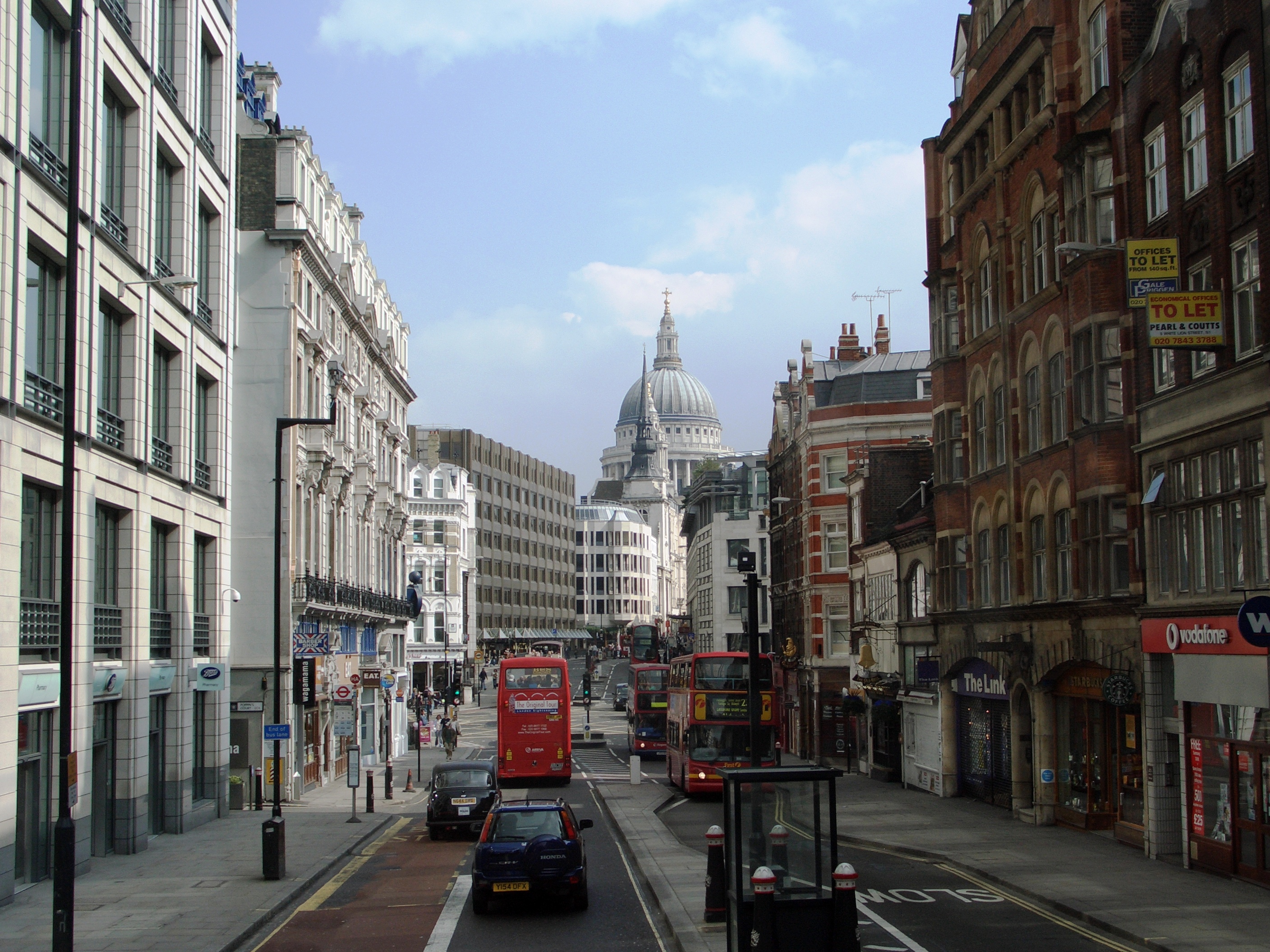
Fleet Street, a thoroughfare in London, England, is indelibly linked to the history of British journalism. Running from Temple Bar to Ludgate Circus, its name became a metonym for the national press, a powerful entity that once commanded the attention of millions. For centuries, this street was the epicenter of newspaper production, housing the offices and printing presses of major publications. The advent of new technologies and changing economic landscapes, particularly the move to Wapping in the 1980s, saw the physical departure of most newspapers. Yet, the street's legacy endures, with its former sites often preserved and its name still evoking the power and influence of the British press.
🎵 Origins & History
The story of Fleet Street begins not with ink and paper, but with Roman roads and medieval clergy. Its origins trace back to ancient routes, later becoming a significant thoroughfare lined with churches like St Bride's Church and Temple Church, and residences for senior clergy. The true transformation into a media hub began in the early 16th century with the establishment of printing presses. By the 18th century, publications like the Tatler and Spectator were circulating, laying the groundwork for the street's future identity. The 19th century saw the proliferation of mass-circulation newspapers, solidifying Fleet Street's reputation as the nerve center of British news.
⚙️ How It Works
The 'how it works' of Fleet Street was a complex ballet of editorial prowess and industrial might. Newspapers housed on the street operated integrated printing presses, often working through the night to produce millions of copies. Journalists, editors, and printers worked in close proximity, fostering a unique, high-pressure environment. The process involved receiving news, writing and editing copy, typesetting (initially by hand, later by machines like the Linotype machine), printing, and distribution. The speed and efficiency required meant that the physical layout of these newspaper offices was crucial, with presses often located in basements and production lines running vertically through buildings.
📊 Key Facts & Numbers
Fleet Street's reign as the newspaper capital was marked by staggering numbers. At its peak in the mid-20th century, over 100 million newspapers were sold weekly in the UK, with the vast majority produced on or near Fleet Street. Publications like the Daily Mirror and The Sun (United Kingdom) each boasted circulations in the millions. The street itself was home to the headquarters of major newspaper groups such as Associated Newspapers and News UK. The economic impact was immense, supporting thousands of jobs directly in printing and journalism, and many more indirectly in distribution and supply chains.
👥 Key People & Organizations
While Fleet Street itself is a place, its identity is intrinsically tied to the people and organizations that defined it. Figures like Lord Northcliffe, a pioneer of mass-circulation journalism, and Lord Beaverbrook, owner of the Daily Express, wielded immense influence from their Fleet Street offices. Major newspaper groups like Odhams Press (publishers of the Daily Herald) and News of the World were pillars of the street. The pubs, such as the Ye Olde Cheshire Cheese, became legendary watering holes for journalists and editors, fostering a distinct Fleet Street culture.
🌍 Cultural Impact & Influence
The cultural impact of Fleet Street is immeasurable, extending far beyond the physical street. It became a powerful metonym for the British national press, symbolizing its authority, influence, and sometimes, its sensationalism. The stories, scandals, and scoops that emerged from Fleet Street shaped public opinion, influenced political discourse, and provided the daily narrative for generations of Britons. The very term 'Fleet Street' conjures images of fast-paced newsrooms, hard-drinking journalists, and the relentless pursuit of the next headline, a narrative often depicted in films and literature.
⚡ Current State & Latest Developments
The 21st century sees Fleet Street grappling with its legacy in a vastly changed media landscape. While the major newspaper operations have long since relocated, particularly to Wapping following Rupert Murdoch's move in the 1980s, the street retains a symbolic significance. Some former newspaper buildings, like the Daily Express Building, are now listed landmarks, repurposed for other uses. A few smaller media organizations and specialist publishers still maintain a presence, and the pubs once frequented by journalists remain popular destinations, drawing on the street's historical allure.
🤔 Controversies & Debates
The primary controversy surrounding Fleet Street is the romanticization versus the reality of its past. Critics argue that the 'golden age' of Fleet Street often overlooked the industry's role in sensationalism, class bias, and the propagation of misinformation. The shift away from the street also sparked debates about the economic viability of traditional print media and the impact of technological change on journalism. The preservation of former newspaper buildings versus their redevelopment also presents ongoing discussions about heritage and urban planning.
🔮 Future Outlook & Predictions
The future of Fleet Street is less about newspaper production and more about its enduring symbolic value. Efforts are underway to rebrand and revitalize the area, potentially focusing on its historical significance as a media hub and attracting new creative industries. While the physical newspapers are gone, the spirit of information dissemination and public discourse that Fleet Street represented continues to evolve online. The question remains whether the street can recapture a sense of purpose beyond its historical echo, perhaps as a center for media history or digital innovation.
💡 Practical Applications
While the large-scale printing operations have ceased, Fleet Street continues to serve as a practical application of its historical significance. The street's name is still used as a metonym for the British national press, influencing how news organizations are perceived. Former newspaper buildings are now repurposed for commercial and residential use, demonstrating adaptive reuse of industrial heritage. Furthermore, the pubs and establishments that once served journalists remain popular tourist and local attractions, capitalizing on the 'Fleet Street' brand and its association with journalism and London's history.
Key Facts
- Category
- history
- Type
- place