
Contents
Overview
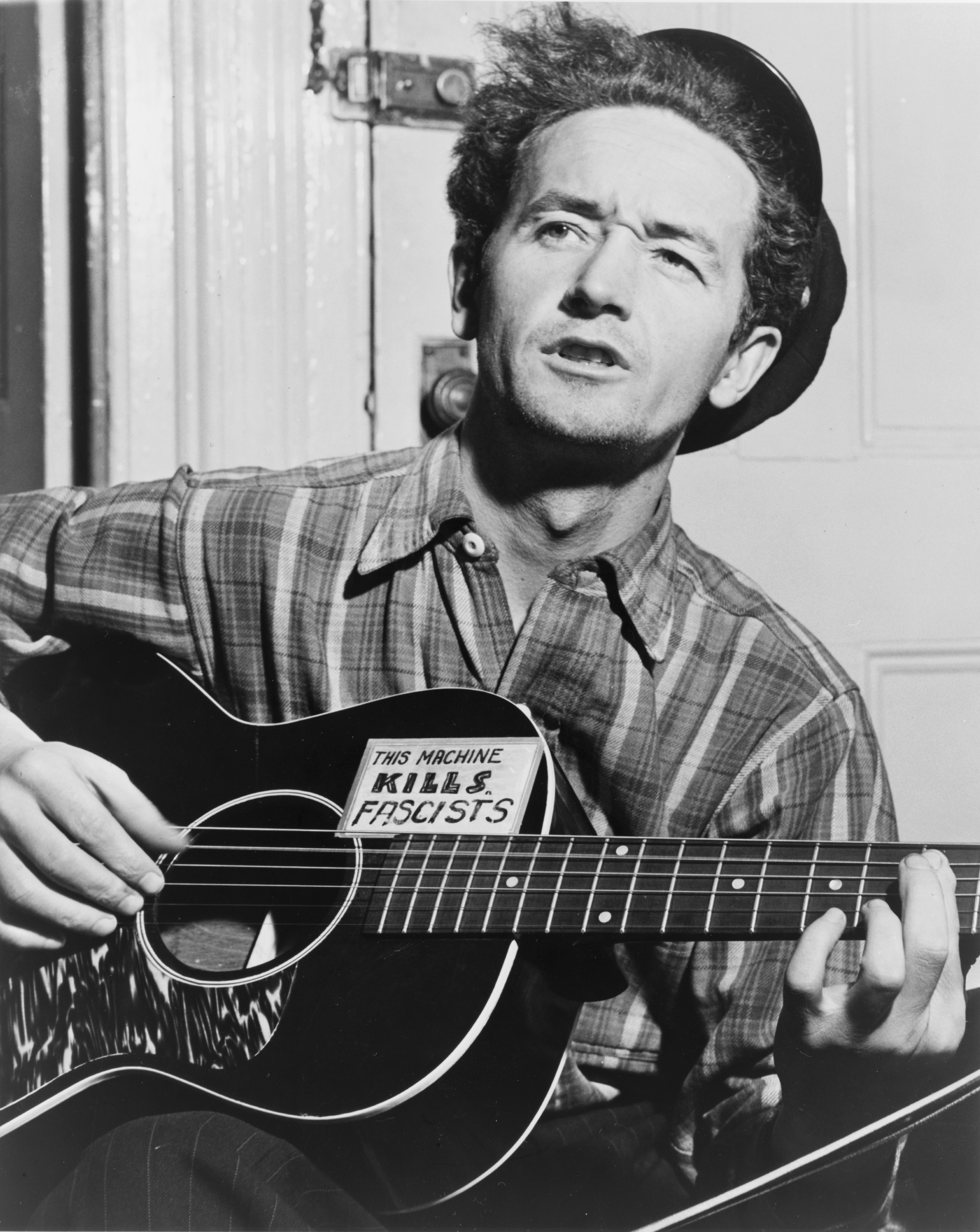
The concept of a "folk revival" isn't a singular event but a recurring cultural phenomenon, with the most prominent example being the American folk music revival that gained momentum from the 1940s through the 1970s. Precursors can be traced to earlier efforts to collect and popularize traditional music, such as the work of Francis Child and his collection of English and Scottish ballads in the late 19th century, and the field recordings made by folklorists like John A. Lomax and his son Alan Lomax for the Library of Congress starting in the 1930s. These efforts laid the groundwork by documenting and preserving a vast archive of American vernacular music. The post-World War II era saw a growing interest in authentic cultural expressions, providing fertile ground for a revival that would bring artists like Woody Guthrie and Lead Belly to wider attention, even as they themselves were rooted in earlier traditions.
⚙️ How It Works
A folk revival typically operates through a cycle of rediscovery, performance, and adaptation. It begins with artists and enthusiasts seeking out older, often rural or working-class musical traditions that may have fallen out of mainstream favor. These artists then perform these songs, sometimes with minimal alteration, and often create new material inspired by the style, themes, and instrumentation of the traditional music. This process involves meticulous research, often through archival recordings, oral histories, and direct engagement with older musicians. The music is then disseminated through live performances, recordings, and media, reaching a new audience that might not have otherwise encountered these sounds. Key to the revival's success is the ability of new performers to imbue the music with contemporary relevance, as seen with artists like Pete Seeger and his activism-infused folk songs.
📊 Key Facts & Numbers
The American folk revival of the 1950s and 1960s saw surges in record sales for folk albums, with artists like Peter, Paul and Mary achieving multi-platinum status. The genre's influence extended to radio, with folk music programs gaining significant listenership. Several folk albums charted in the Billboard Top 10 during the 1960s, demonstrating a significant market for the genre.
👥 Key People & Organizations
The American folk revival was propelled by a constellation of influential figures and organizations. Woody Guthrie penned the iconic "This Land Is Your Land." Pete Seeger, a tireless advocate and performer, was instrumental in popularizing banjo tunes and protest songs, co-founding groups like The Weavers. Lead Belly's powerful renditions of "Goodnight, Irene" and "Cotton Fields" became standards. Joan Baez became known as the "Queen of Folk" for her clear soprano and commitment to social justice. Organizations like the Greenwich Village Folk Scene and festivals such as the Newport Folk Festival served as crucial hubs for performance and community.
🌍 Cultural Impact & Influence
The cultural impact of the folk revival was profound and far-reaching. "We Shall Overcome" became synonymous with social struggles. The revival broadened the definition of American music, and folk music contributed to the development of country music, blues, and bluegrass. Furthermore, it fostered a greater appreciation for lyrical depth and storytelling in popular music, influencing countless artists across genres. The emphasis on authenticity and direct emotional expression in folk music also contributed to a broader cultural shift towards valuing raw, unvarnished artistic statements, a sentiment echoed in the rise of singer-songwriter movements.
⚡ Current State & Latest Developments
While the peak of the mid-20th century American folk revival has passed, the spirit of folk music continues to evolve and find new expressions. Contemporary artists like Rhiannon Giddens are actively exploring and reviving African American folk traditions, demonstrating a renewed interest in the genre's diverse roots. Streaming platforms and online communities have made it easier than ever for niche genres and traditional music to find audiences, fostering a global folk revival of sorts. Independent artists are increasingly using digital tools to record and distribute their music, bypassing traditional gatekeepers and reaching listeners directly. The ongoing exploration of ancestral music by artists worldwide suggests that the folk revival is less a historical event and more a continuous process of cultural rediscovery and reinterpretation.
🤔 Controversies & Debates
One of the primary controversies surrounding folk revivals, particularly the American one, involves questions of authenticity and appropriation. Critics have debated whether artists performing traditional songs, especially those from marginalized communities, were truly honoring the source material or merely profiting from it. The commercialization of folk music also raised concerns, with some arguing that the genre's political edge was blunted as it entered the mainstream market. The role of white artists in popularizing music originally created by Black musicians, for instance, has been a subject of ongoing discussion and critical re-evaluation.
🔮 Future Outlook & Predictions
The future of folk revival movements appears to be increasingly global and digitally interconnected. We can anticipate further cross-pollination of traditional music styles from different cultures, facilitated by online collaboration and accessible recording technology. Expect to see a continued emphasis on reclaiming and reinterpreting the music of underrepresented communities, as artists like Rhiannon Giddens lead the charge in bringing forgotten histories to light. The rise of DIY music production and distribution means that future revivals may be more decentralized, driven by grassroots communities rather than large record labels or festivals. Furthermore, as artificial intelligence continues to develop, it's conceivable that AI could be used to analyze, reconstruct, and even generate new music in traditional folk styles, raising fascinating questions about creativity and heritage.
💡 Practical Applications
The principles and practices of folk revival have numerous practical applications. In music education, understanding folk revival movements provides valuable context for teaching traditional instruments and song forms, fostering an appreciation for musical history. Ethnomusicologists and folklorists utilize the methods of revivalists—collecting, transcribing, and analyzing traditional music—to preserve cultural heritage. For musicians, the revival offers a rich source of repertoire and inspiration, providing a foundation for creating new works that connect with historical roots. Furthermore, the revival's role in social activism demonstrates how music can be a powerful tool for communication, community building, and political engagement, a lesson still relevant for contemporary social movements.
Key Facts
- Category
- movements
- Type
- topic