
Contents
Overview
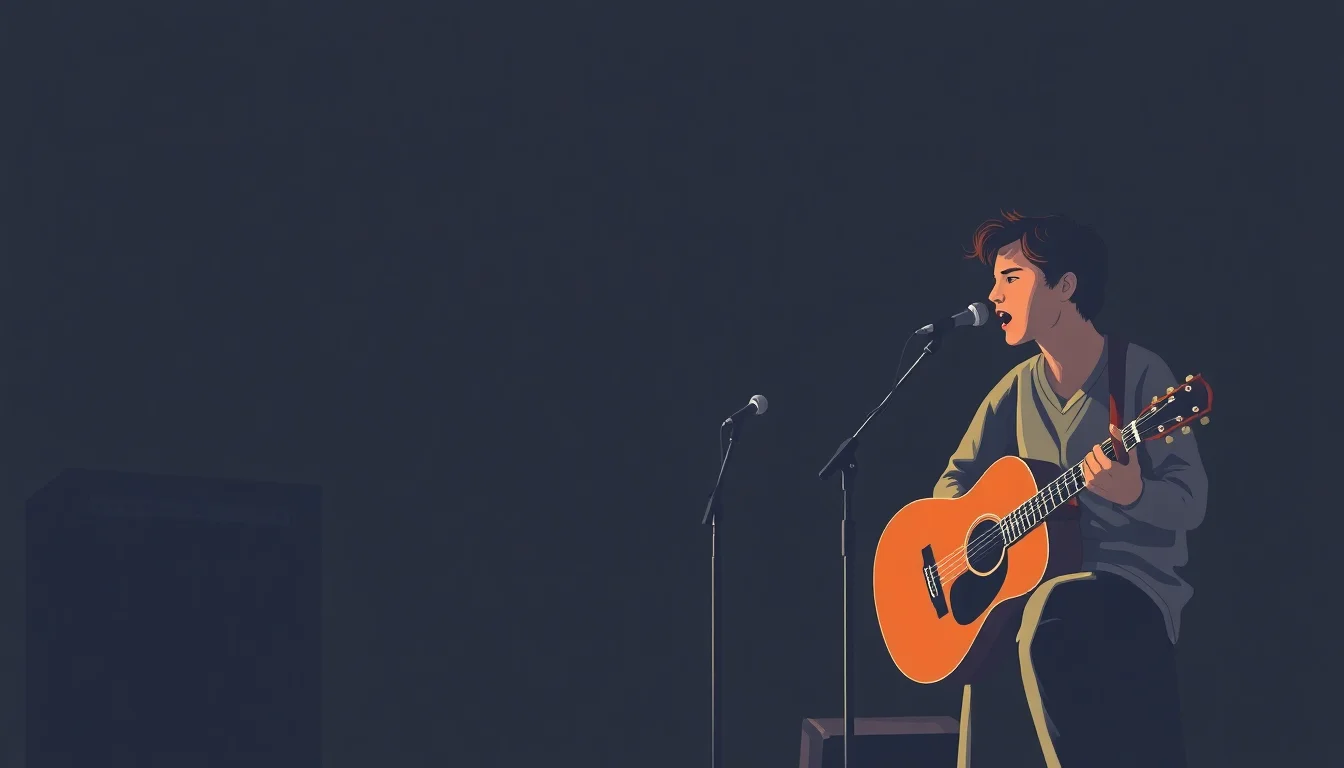
Folk rock emerged in the mid-1960s, primarily in the US, Canada, and the UK, as a response to the folk music revival. Artists like Joan Baez and Woody Guthrie had already gained popularity, and the genre's focus on storytelling and acoustic instrumentation paved the way for the electric experimentation of folk rock. The Byrds, with their blend of folk, rock, and psychedelic elements, are often credited with coining the term 'folk rock' in June 1965. Other influential bands, such as The Mamas & The Papas and Buffalo Springfield, also contributed to the genre's development.
🔌 How It Works
The sound of folk rock is characterized by the use of electric instruments, such as guitars and bass, combined with traditional folk elements like acoustic guitars, harmonicas, and vocal harmonies. This blend of styles allowed for a wider range of expression and experimentation, as seen in the music of Neil Young and Crosby, Stills, Nash & Young. The genre's emphasis on lyrical storytelling and social commentary also drew inspiration from folk music's rich tradition of protest songs and narrative ballads, as exemplified by Pete Seeger and Joni Mitchell.
🌎 Cultural Impact
Folk rock's cultural impact was significant, as it helped to bridge the gap between the folk and rock music scenes. The genre's popularity paved the way for future fusion genres, such as country rock and psychedelic folk, and influenced a wide range of artists, from The Eagles to Fleetwood Mac. The genre's focus on social commentary and storytelling also resonated with the counterculture movement of the 1960s, with songs like Bob Dylan's 'Blowin' in the Wind' becoming anthems for the era. Additionally, the genre's influence can be seen in the work of later artists, such as Ryan Adams and Mumford & Sons.
🔮 Legacy & Future
Today, folk rock continues to evolve, with many contemporary artists drawing inspiration from the genre's rich history. The legacy of folk rock can be seen in the music of Ed Sheeran, Hozier, and First Aid Kit, among others. As the genre looks to the future, it's likely that folk rock will continue to blend with other styles, incorporating new sounds and themes while remaining true to its roots in traditional folk music. The genre's influence can also be seen in the rise of festivals like Coachella and Bonnaroo, which showcase a wide range of folk, rock, and fusion genres.
Key Facts
- Year
- 1965
- Origin
- United States, Canada, and the United Kingdom
- Category
- culture
- Type
- genre
Frequently Asked Questions
What is the difference between folk rock and folk music?
Folk rock is a fusion genre that combines the energy of rock music with the storytelling and instrumentation of folk music, whereas folk music is a traditional genre that emphasizes acoustic instrumentation and lyrical storytelling. Artists like Joan Baez and Woody Guthrie are examples of traditional folk musicians, while Bob Dylan and The Byrds are examples of folk rock artists.
Who are some notable folk rock artists?
Notable folk rock artists include Bob Dylan, The Byrds, Simon & Garfunkel, Joni Mitchell, and Crosby, Stills, Nash & Young. These artists helped to define the genre and push its boundaries, influencing a wide range of later musicians, from The Eagles to Fleetwood Mac.
What is the cultural significance of folk rock?
Folk rock played a significant role in the counterculture movement of the 1960s, with its emphasis on social commentary and storytelling resonating with the era's youth. The genre's influence can be seen in the music of later artists, such as Ryan Adams and Mumford & Sons, and its legacy continues to be felt in the music industry today, with festivals like Coachella and Bonnaroo showcasing a wide range of folk, rock, and fusion genres.
How did folk rock influence later genres?
Folk rock's blend of rock and folk elements paved the way for later fusion genres, such as country rock and psychedelic folk. The genre's emphasis on storytelling and social commentary also influenced the development of singer-songwriter and Americana genres, with artists like Bruce Springsteen and Emmylou Harris drawing on folk rock's legacy.
What is the current state of folk rock?
Today, folk rock continues to evolve, with many contemporary artists drawing inspiration from the genre's rich history. The legacy of folk rock can be seen in the music of artists like Ed Sheeran, Hozier, and First Aid Kit, among others. As the genre looks to the future, it's likely that folk rock will continue to blend with other styles, incorporating new sounds and themes while remaining true to its roots in traditional folk music.