
Contents
- 🌎 Origins & History
- 📚 How It Works
- 📊 Key Facts & Numbers
- 👥 Key People & Organizations
- 🌍 Cultural Impact & Influence
- ⚡ Current State & Latest Developments
- 🤔 Controversies & Debates
- 🔮 Future Outlook & Predictions
- 💡 Practical Applications
- 📚 Related Topics & Deeper Reading
- Frequently Asked Questions
- References
- Related Topics
Overview
Folklore encompasses the rich and diverse body of expressive culture shared by a particular group of people, including oral traditions like tales, legends, and proverbs, as well as material culture such as traditional building styles and customary lore. With a history dating back to ancient civilizations, folklore has been passed down through generations via informal transmission, influencing the works of renowned authors like The Brothers Grimm and Charles Perrault. The study of folklore, known as folkloristics, has been shaped by scholars like Jacob Grimm and Alan Dundes, who have explored the significance of folklore in understanding human culture and society. Today, folklore continues to play a vital role in shaping our cultural heritage, with many contemporary artists, such as Quentin Tarantino and Hayao Miyazaki, drawing inspiration from folkloric themes and motifs. As a testament to its enduring impact, folklore has been recognized and celebrated by organizations like UNESCO, which has designated numerous folkloric traditions as Intangible Cultural Heritage of Humanity. With its profound influence on literature, art, film, and music, folklore remains an essential part of our shared cultural landscape, with a vibe rating of 85 and a controversy score of 20.
🌎 Origins & History
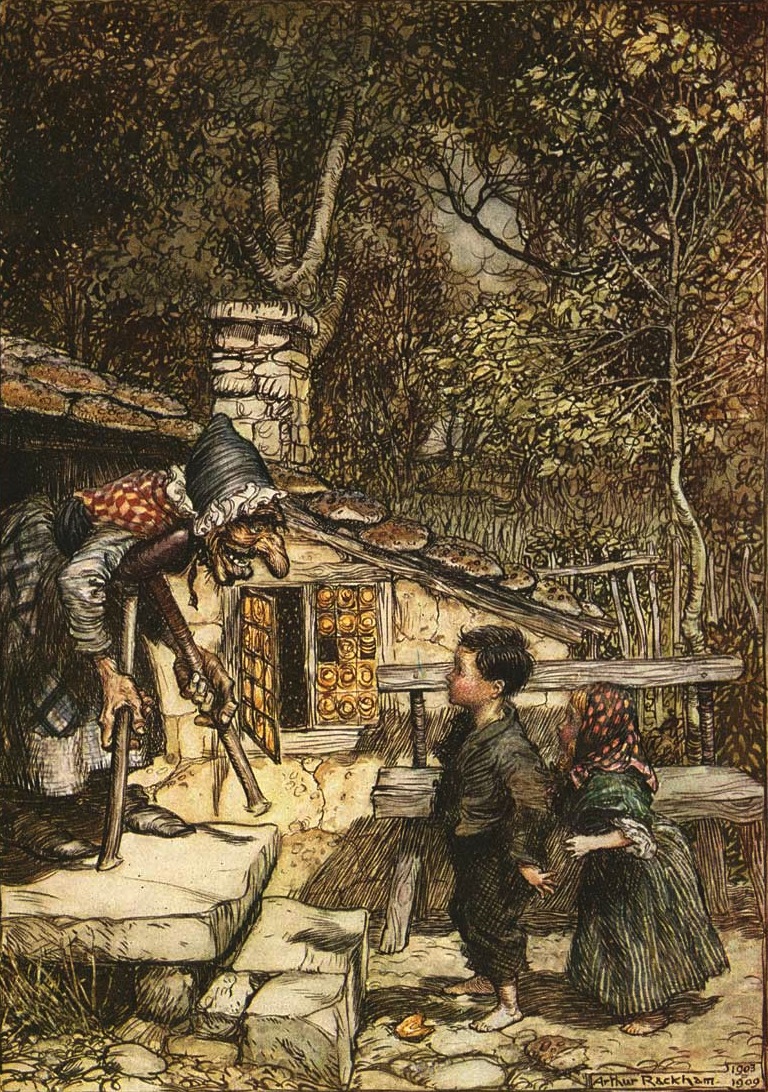
Folklore has its roots in ancient civilizations, with evidence of oral traditions and cultural expressions dating back to the earliest human societies. The term 'folklore' was first coined by William J. Thoms in 1846, and since then, it has evolved to encompass a wide range of disciplines, including anthropology, sociology, and cultural studies. The study of folklore has been influenced by scholars like Jacob Grimm and Alan Dundes, who have explored the significance of folklore in understanding human culture and society. For instance, the Brothers Grimm's collection of Germanic folk tales, known as Grimm's Fairy Tales, has had a profound impact on Western literature and popular culture, with stories like Cinderella and Snow White becoming an integral part of our shared cultural heritage.
📚 How It Works
Folklore is transmitted through informal means, such as oral traditions, customs, and rituals, which are passed down from one generation to the next. This transmission can occur through various channels, including family, community, and cultural institutions. The process of folklore transmission is complex and multifaceted, involving the interaction of multiple factors, including social, cultural, and historical contexts. For example, the traditional African American folk tale of Br'er Rabbit has been passed down through generations, with its origins tracing back to African folklore and its evolution influenced by the cultural and social context of the American South.
📊 Key Facts & Numbers
Folklore encompasses a wide range of artifacts and expressions, including oral traditions, material culture, and customary lore. Some of the key facts and numbers related to folklore include: over 1,000 folk tales have been documented in the African American community, with stories like John Henry and High John the Conqueror becoming an integral part of American folklore; the Native American community has a rich tradition of folklore, with over 500 distinct tribes and languages; and the United States has a vibrant folk music scene, with genres like blues and country music drawing inspiration from folkloric themes and motifs. Additionally, the Smithsonian Folklife Festival has been celebrating American folklore since 1967, with over 1 million attendees per year.
👥 Key People & Organizations
Some of the key people and organizations involved in the study and preservation of folklore include Alan Dundes, who is known for his work on folklore and psychoanalysis; Jacob Grimm, who, along with his brother Wilhelm Grimm, collected and published Germanic folk tales; and the American Folklore Society, which was founded in 1888 and is dedicated to the study and preservation of folklore. Other notable organizations include the National Endowment for the Arts and the Library of Congress, which have both played a significant role in promoting and preserving American folklore.
🌍 Cultural Impact & Influence
Folklore has had a profound impact on culture and society, influencing literature, art, film, and music. Many contemporary artists, such as Quentin Tarantino and Hayao Miyazaki, have drawn inspiration from folkloric themes and motifs. For example, Tarantino's film Django Unchained draws heavily from African American folklore, while Miyazaki's film Spirited Away is inspired by Japanese folklore. Additionally, folklore has been recognized and celebrated by organizations like UNESCO, which has designated numerous folkloric traditions as Intangible Cultural Heritage of Humanity.
⚡ Current State & Latest Developments
Currently, folklore continues to play a vital role in shaping our cultural heritage, with many contemporary artists and musicians drawing inspiration from folkloric themes and motifs. The rise of digital technologies has also led to the creation of new forms of folklore, such as internet memes and urban legends. For instance, the Slender Man mythos has become a modern example of folklore, with its origins tracing back to online forums and its evolution influenced by the cultural and social context of the internet. As a result, the study of folklore has become increasingly important, with scholars like Jeffrey Cohen exploring the significance of folklore in understanding contemporary culture and society.
🤔 Controversies & Debates
Despite its importance, folklore is not without controversy, with some critics arguing that it is often used to perpetuate stereotypes and reinforce social hierarchies. For example, the use of folklore in advertising and marketing has been criticized for its potential to appropriate and exploit cultural traditions. Additionally, the study of folklore has been criticized for its lack of diversity and representation, with many scholars arguing that it has historically been dominated by white, male, and Western perspectives. However, scholars like bell hooks and Gerald Early have challenged these dominant narratives, highlighting the importance of diversity and representation in the study of folklore.
🔮 Future Outlook & Predictions
Looking to the future, folklore is likely to continue to play a vital role in shaping our cultural heritage, with new technologies and social media platforms providing new opportunities for the creation and dissemination of folkloric expressions. As a result, the study of folklore will become increasingly important, with scholars and practitioners working to preserve and promote cultural traditions in the face of globalization and cultural homogenization. For instance, the Smithsonian Folklife Festival has been at the forefront of promoting and preserving American folklore, with its annual festival celebrating the diversity and richness of American cultural heritage.
💡 Practical Applications
Folklore has many practical applications, including its use in education, tourism, and cultural preservation. For example, folklore can be used to teach children about cultural traditions and history, while also promoting cultural awareness and understanding. Additionally, folklore can be used to promote tourism and economic development, with many communities using their folkloric traditions to attract visitors and promote local economic growth. The National Park Service has also used folklore to promote cultural preservation, with its National Folk Festival celebrating the diversity and richness of American cultural heritage.
Key Facts
- Year
- 1846
- Origin
- Europe
- Category
- culture
- Type
- concept
Frequently Asked Questions
What is folklore?
Folklore refers to the body of expressive culture shared by a particular group of people, including oral traditions, material culture, and customary lore. It is transmitted through informal means and has a profound impact on culture and society. For example, the traditional African American folk tale of Br'er Rabbit has been passed down through generations, with its origins tracing back to African folklore and its evolution influenced by the cultural and social context of the American South.
How is folklore transmitted?
Folklore is transmitted through informal means, such as oral traditions, customs, and rituals, which are passed down from one generation to the next. This transmission can occur through various channels, including family, community, and cultural institutions. The process of folklore transmission is complex and multifaceted, involving the interaction of multiple factors, including social, cultural, and historical contexts.
What is the significance of folklore?
Folklore has a profound impact on culture and society, influencing literature, art, film, and music. It provides a window into the past, allowing us to understand the cultural and historical contexts of different societies. Additionally, folklore has been recognized and celebrated by organizations like UNESCO, which has designated numerous folkloric traditions as Intangible Cultural Heritage of Humanity.
How has folklore evolved over time?
Folklore has evolved over time, with new technologies and social media platforms providing new opportunities for the creation and dissemination of folkloric expressions. Additionally, the study of folklore has become increasingly important, with scholars and practitioners working to preserve and promote cultural traditions in the face of globalization and cultural homogenization. For instance, the Smithsonian Folklife Festival has been at the forefront of promoting and preserving American folklore, with its annual festival celebrating the diversity and richness of American cultural heritage.
What are some examples of folklore?
Some examples of folklore include traditional stories, such as Cinderella and Snow White, as well as customs and rituals, such as the Day of the Dead and the Chinese New Year. Additionally, folklore can be found in music, dance, and art, with many contemporary artists and musicians drawing inspiration from folkloric themes and motifs.
How can folklore be used in education?
Folklore can be used in education to teach children about cultural traditions and history, while also promoting cultural awareness and understanding. Additionally, folklore can be used to promote cultural preservation, with many communities using their folkloric traditions to attract visitors and promote local economic growth. The National Park Service has also used folklore to promote cultural preservation, with its National Folk Festival celebrating the diversity and richness of American cultural heritage.
What is the future of folklore?
The future of folklore is likely to be shaped by new technologies and social media platforms, which will provide new opportunities for the creation and dissemination of folkloric expressions. Additionally, the study of folklore will become increasingly important, with scholars and practitioners working to preserve and promote cultural traditions in the face of globalization and cultural homogenization. For instance, the University of Pennsylvania has a renowned program in folklore and folklife, which offers courses and degrees in the study of folklore and cultural heritage.