
Contents
- 🌍 What is 'The Future of Iran'?
- 🗺️ Key Factors Shaping Iran's Trajectory
- 📈 Economic Undercurrents and Global Impact
- 🗣️ Internal Dissent and Societal Dynamics
- 🤝 Geopolitical Chessboard: Regional & Global Players
- 💡 Emerging Trends and Potential Scenarios
- ⚖️ The Role of International Sanctions
- 🚀 Opportunities and Challenges for Engagement
- 📚 Further Reading and Resources
- ❓ Frequently Asked Questions
- Frequently Asked Questions
- Related Topics
Overview
The Future of Iran isn't a single, predictable path, but a complex interplay of internal pressures and external forces. It encompasses the nation's political evolution, economic stability, social transformations, and its role on the global stage. Understanding this future requires dissecting the deep-seated historical currents, the immediate socio-political landscape, and the myriad of potential trajectories. This isn't about predicting the inevitable, but about mapping the forces that will shape Iran's destiny in the coming years and decades, impacting everything from regional security to global energy markets. It's a dynamic subject, constantly in flux, demanding continuous analysis of political shifts and social movements.
🗺️ Key Factors Shaping Iran's Trajectory
Several critical factors are currently in play, each with the potential to significantly alter Iran's future. The ongoing internal struggle between reformist and hardline factions within the Iranian government remains a central tension. External pressures, particularly from the US and its allies, regarding Iran's nuclear program and regional activities, exert immense influence. Furthermore, the demographic makeup of Iran, with a young and increasingly connected population, presents both a source of potential change and a challenge for the existing power structures. The legacy of the 1979 revolution continues to cast a long shadow, shaping contemporary debates about governance and national identity.
📈 Economic Undercurrents and Global Impact
Iran's economic future is inextricably linked to its geopolitical standing and internal policies. Decades of international sanctions have hobbled its economy, limiting its ability to engage in global trade and attract foreign investment. The reliance on oil exports makes the nation vulnerable to global price fluctuations and geopolitical maneuvering. However, Iran possesses significant untapped potential in sectors beyond oil, including its substantial mineral wealth and a skilled workforce. The success of any economic reform hinges on the government's ability to navigate international relations and implement structural changes that foster growth and reduce dependency on volatile external factors.
🗣️ Internal Dissent and Societal Dynamics
Beneath the surface of official pronouncements, Iranian society is a vibrant, often restive, entity. The recent waves of protests, sparked by issues ranging from economic hardship to social freedoms, highlight a deep-seated desire for change among significant segments of the population. The increasing access to information via the internet and social media has empowered citizens, fostering a greater awareness of global trends and alternative governance models. The government's response to these demands, whether through repression or reform, will be a crucial determinant of the nation's social and political trajectory. The role of women in these movements is particularly noteworthy, challenging deeply entrenched patriarchal norms.
🤝 Geopolitical Chessboard: Regional & Global Players
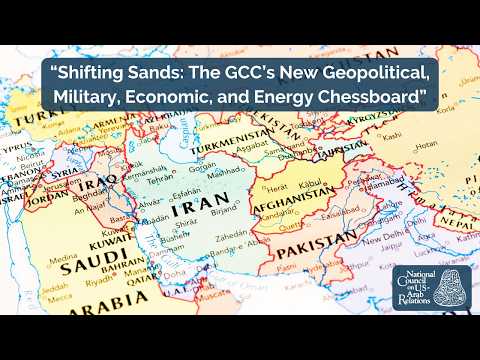
Iran is a pivotal player in a complex regional and global geopolitical chessboard. Its relationships with neighbors like Saudi Arabia, Turkey, and Syria are constantly shifting, influencing regional stability. The ongoing JCPOA negotiations underscore Iran's contentious relationship with the West, particularly the US, UK, France, and China. Russia's strategic interests in the region also add another layer of complexity. Understanding these intricate alliances and rivalries is essential to grasping the external forces shaping Iran's future, including the potential for regional proxy conflicts.
💡 Emerging Trends and Potential Scenarios
Several distinct scenarios could unfold for Iran. One path sees a continuation of the status quo, with the current regime maintaining power through a combination of repression and strategic diplomacy, albeit under persistent economic strain. Another scenario involves gradual internal reform, driven by a more pragmatic leadership seeking to ease sanctions and improve living standards. A more dramatic, though less probable, outcome could be a fundamental shift in the political system, potentially triggered by widespread social upheaval. Each scenario carries different implications for regional security, international relations, and the daily lives of Iranians, making the analysis of political factions critical.
⚖️ The Role of International Sanctions
International sanctions have been a defining feature of Iran's relationship with the global community for decades. While intended to curb Iran's nuclear ambitions and alter its behavior, their impact has been far-reaching, severely impacting the economy and the lives of ordinary citizens. The debate continues regarding their effectiveness and the ethical implications of their broad application. Lifting or easing these sanctions could unlock significant economic potential for Iran, but this is contingent on diplomatic breakthroughs and verifiable changes in Iran's policies, particularly concerning its nuclear activities. The UN's role in this diplomatic dance is also a significant factor.
🚀 Opportunities and Challenges for Engagement
For external actors, engaging with Iran's future presents both significant challenges and potential opportunities. Navigating the complexities of Iranian politics and society requires a nuanced understanding that moves beyond simplistic narratives. Opportunities exist for diplomatic engagement, trade, and cultural exchange, particularly if sanctions are eased. However, any engagement must be mindful of the internal power dynamics and the potential for unintended consequences. Building bridges requires patience, a commitment to dialogue, and a recognition of Iran's long history and its people's aspirations for a stable and prosperous future. This includes understanding the role of the Iranian diaspora in shaping global perceptions.
📚 Further Reading and Resources
To gain a deeper understanding of the forces shaping Iran's future, consult the following resources: The Council on Foreign Relations offers in-depth analysis of US foreign policy and international relations, including extensive coverage of Iran. The International Crisis Group provides detailed reports on conflict prevention and resolution, with a focus on the Middle East. For historical context, explore works by renowned historians specializing in Iranian studies, such as Ervand Abrahamian's seminal works on modern Iranian history. Academic journals focusing on Middle Eastern affairs and Iranian studies are also invaluable for staying abreast of scholarly debates and research.
❓ Frequently Asked Questions
Q: Will the current regime in Iran last? A: This is one of the most debated questions. The Islamic Republic has proven remarkably resilient, weathering numerous internal and external challenges since its inception in 1979. However, sustained economic pressure, coupled with growing popular discontent, particularly among the youth, creates a persistent undercurrent of instability. The regime's ability to adapt, co-opt dissent, or maintain control through security forces will be key factors. Predicting its longevity is speculative, but the pressures for change are undeniable.
Q: What is the biggest obstacle to economic recovery in Iran? A: While internal economic mismanagement plays a role, international sanctions remain the most significant impediment. These sanctions restrict Iran's access to global financial systems, limit its oil exports, and deter foreign investment. Even if internal reforms were implemented, their impact would be severely curtailed without a significant easing of sanctions. The ongoing JCPOA talks are central to any potential economic turnaround.
Q: How influential is the Iranian diaspora? A: The Iranian diaspora is highly influential, particularly in shaping international perceptions of Iran and advocating for political change. Many diaspora members are active in human rights organizations, academic circles, and media, providing alternative narratives to state-controlled media. They also play a role in economic spheres, though their direct impact on internal Iranian policy is limited by the political system and sanctions.
Q: What are the main internal divisions within Iran? A: The primary internal divisions revolve around the balance of power between hardline clerical factions and more pragmatic or reformist elements within the government. Beyond the political elite, there are significant societal divisions concerning social freedoms, economic policies, and the role of religion in public life. The aspirations of a young, educated, and increasingly connected population often clash with the conservative ideology of the ruling establishment.
Q: What is the likelihood of a military conflict involving Iran? A: The risk of direct military conflict involving Iran remains a significant concern, particularly with the US and its regional allies. Tensions often flare over Iran's nuclear program, its ballistic missile development, and its support for regional proxies. While a full-scale war is generally seen as undesirable by most major powers due to its destabilizing potential, miscalculation or escalation of existing tensions could lead to localized conflicts or proxy engagements.
Q: How does Iran's relationship with Russia and China affect its future? A: Iran's relationships with Russia and China are increasingly important, especially in the context of sanctions. These relationships provide Iran with diplomatic support, economic lifelines, and avenues for military cooperation, albeit with limitations. For Russia and China, Iran represents a strategic partner in challenging US influence in the region and securing energy resources. This evolving geopolitical alignment is a key factor in shaping Iran's international posture.
Key Facts
- Year
- 2024
- Origin
- Vibepedia.wiki
- Category
- Geopolitics & Society
- Type
- Topic
Frequently Asked Questions
Will the current regime in Iran last?
This is one of the most debated questions. The Islamic Republic has proven remarkably resilient, weathering numerous internal and external challenges since its inception in 1979. However, sustained economic pressure, coupled with growing popular discontent, particularly among the youth, creates a persistent undercurrent of instability. The regime's ability to adapt, co-opt dissent, or maintain control through security forces will be key factors. Predicting its longevity is speculative, but the pressures for change are undeniable.
What is the biggest obstacle to economic recovery in Iran?
While internal economic mismanagement plays a role, international sanctions remain the most significant impediment. These sanctions restrict Iran's access to global financial systems, limit its oil exports, and deter foreign investment. Even if internal reforms were implemented, their impact would be severely curtailed without a significant easing of sanctions. The ongoing JCPOA talks are central to any potential economic turnaround.
How influential is the Iranian diaspora?
The Iranian diaspora is highly influential, particularly in shaping international perceptions of Iran and advocating for political change. Many diaspora members are active in human rights organizations, academic circles, and media, providing alternative narratives to state-controlled media. They also play a role in economic spheres, though their direct impact on internal Iranian policy is limited by the political system and sanctions.
What are the main internal divisions within Iran?
The primary internal divisions revolve around the balance of power between hardline clerical factions and more pragmatic or reformist elements within the government. Beyond the political elite, there are significant societal divisions concerning social freedoms, economic policies, and the role of religion in public life. The aspirations of a young, educated, and increasingly connected population often clash with the conservative ideology of the ruling establishment.
What is the likelihood of a military conflict involving Iran?
The risk of direct military conflict involving Iran remains a significant concern, particularly with the US and its regional allies. Tensions often flare over Iran's nuclear program, its ballistic missile development, and its support for regional proxies. While a full-scale war is generally seen as undesirable by most major powers due to its destabilizing potential, miscalculation or escalation of existing tensions could lead to localized conflicts or proxy engagements.
How does Iran's relationship with Russia and China affect its future?
Iran's relationships with Russia and China are increasingly important, especially in the context of sanctions. These relationships provide Iran with diplomatic support, economic lifelines, and avenues for military cooperation, albeit with limitations. For Russia and China, Iran represents a strategic partner in challenging US influence in the region and securing energy resources. This evolving geopolitical alignment is a key factor in shaping Iran's international posture.