
Contents
Overview
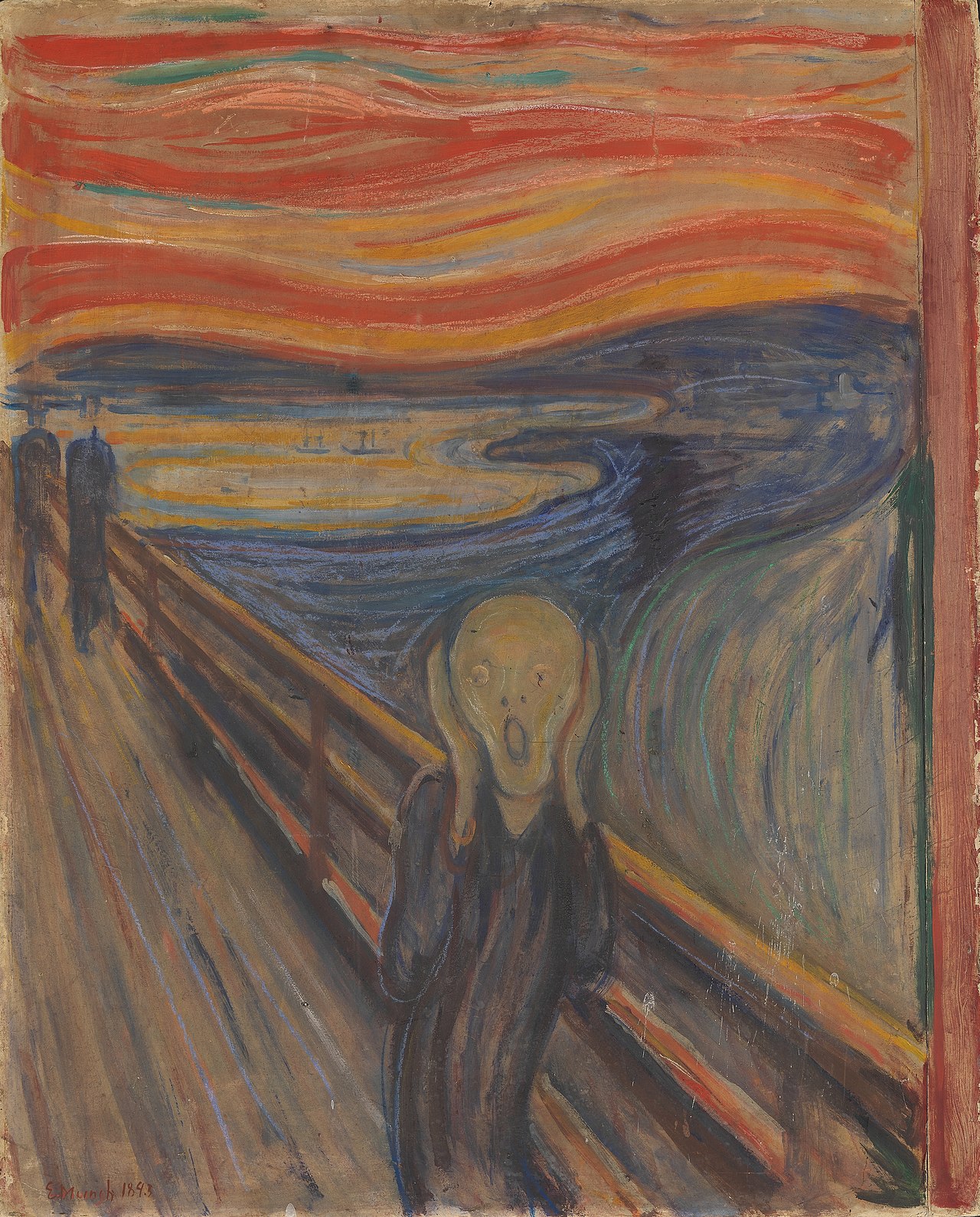
German Expressionism, a potent artistic current that pulsed through early 20th-century Germany, isn't just about pretty pictures; it's a raw, visceral scream against the encroaching industrialization and societal anxieties of its time. Emerging primarily between 1905 and 1920, this movement prioritized subjective experience and emotional turmoil over objective reality. Think distorted perspectives, jarring colors, and a palpable sense of unease. It’s for anyone who feels the world isn't quite right and wants to see that feeling reflected, amplified, and perhaps even understood through art. This isn't passive viewing; it's an emotional confrontation, a direct line to the artist's inner world, often reflecting the turbulent political climate of the era.
📍 Key Movements & Manifestations
The movement wasn't monolithic; it fractured into distinct, yet related, groups. The most prominent were The Bridge, founded in Dresden in 1905 by artists like Kirchner and Heckel, who sought to bridge the past and future with raw, primal energy. Then there was The Blue Rider, based in Munich, featuring Kandinsky and Marc, who explored more spiritual and abstract dimensions of color and form. Beyond these, independent artists and writers contributed to a broader, often chaotic, expressionist milieu, each pushing the boundaries of conventional representation and grappling with themes of alienation and the human psyche, particularly in the aftermath of the Great War.
🎭 Who to Know: The Visionaries
The pantheon of German Expressionism is populated by figures who dared to see the world differently. In painting, Ernst Ludwig Kirchner’s jagged cityscapes and intense portraits, like his 'Street, Dresden' (1908), capture urban alienation. Wassily Kandinsky’s move towards abstraction, exemplified in his 'Composition VII' (1913), sought a spiritual resonance through pure color and form. In film, director Robert Wiene’s 'The Cabinet of Dr. Caligari' (1920) remains the quintessential example of expressionist visual storytelling, with its warped sets and psychological horror. Playwright Georg Kaiser’s dramas, such as 'From Morn to Midnight' (1916), delved into the fragmented modern soul with stark, poetic dialogue and unconventional staging, showcasing the movement's reach beyond the visual arts.
🎬 German Expressionism in Film
German Expressionist cinema, flourishing during the silent era, is a visual feast of psychological intensity. Films like 'The Cabinet of Dr. Caligari' (1920), 'Nosferatu' (1922) by Murnau, and 'Metropolis' (1927) by Lang utilized stark chiaroscuro lighting, exaggerated set designs with skewed perspectives, and dramatic, often grotesque, character portrayals to externalize inner turmoil. These films weren't just stories; they were mood pieces, exploring themes of madness, paranoia, social decay, and the uncanny, often reflecting the anxieties of a nation grappling with defeat and economic instability. The influence of this cinematic style is undeniable, profoundly shaping the film noir genre and horror films for decades to come.
🖼️ Visual Arts: Painting & Sculpture
In painting and sculpture, German Expressionism was characterized by bold, often non-naturalistic colors, vigorous brushwork, and a departure from traditional aesthetics. Die Brücke artists like Kirchner and Erich Heckel favored harsh angles and raw, emotional depictions of urban life and the human form, often drawing inspiration from Fauvism and Primitivism. Der Blaue Reiter artists, such as Franz Marc with his vibrant animal studies and Macke, explored a more lyrical and spiritual approach, using color to convey emotion and inner states. Sculptors like Ernst Barlach created powerful, often somber, figures that conveyed deep human suffering and spiritual struggle, embodying the movement's profound engagement with the human condition.
✍️ Literature & Theatre
The written word also vibrated with expressionist fervor. Poetry, spearheaded by figures like Georg Heym and Georg Trakl, employed stark imagery, fragmented syntax, and themes of urban decay, death, and existential dread. Plays by Georg Kaiser and Ernst Toller rejected traditional dramatic structures, favoring symbolic characters, stark dialogues, and explosive emotional climaxes to explore societal critiques and the psychological impact of modernity. This literary and theatrical output often mirrored the visual arts' intensity, using language and performance to convey a subjective, often nightmarish, reality, pushing the boundaries of dramatic and poetic expression.
🏛️ Where to Experience It Today
While the heyday of German Expressionism has passed, its echoes resonate powerfully in contemporary culture and can still be experienced directly. Major museums worldwide house significant collections, including the Museum Ludwig in Cologne, the National Museums Berlin, and the MoMA in New York, offering curated glimpses into the movement's diverse output. For film enthusiasts, classic expressionist movies are readily available through streaming services and repertory cinema screenings, providing an immersive journey into its unique visual language. Exploring these artistic and cinematic legacies offers a profound connection to a pivotal moment in modern art history, revealing its enduring impact on how we perceive and represent the world.
💡 Practical Tips for Exploration
To truly appreciate German Expressionism, go beyond just looking; feel it. When viewing paintings, pay attention to the texture of the paint and the deliberate distortion of form – these aren't mistakes, they're intentional emotional conduits. For films, notice how the set design and lighting actively contribute to the narrative's psychological tension. Don't shy away from the darker themes; they are central to the movement's power. If you're visiting a museum, check for guided tours focusing on Expressionism, as curators often provide invaluable context. For film, seek out restored versions to best experience the original visual impact, and consider reading film theory essays that analyze its techniques and influence.
Key Facts
- Year
- 1905
- Origin
- Germany
- Category
- Art History & Film Studies
- Type
- Art Movement
Frequently Asked Questions
What is the main difference between Die Brücke and Der Blaue Reiter?
Die Brücke (The Bridge), founded in 1905, was characterized by its raw, often harsh, depiction of urban life and the human form, using bold colors and jagged lines to express intense emotion and alienation. Der Blaue Reiter (The Blue Rider), formed in 1911, leaned towards a more spiritual and abstract exploration of color and form, seeking a harmonious connection between art and the inner life, with artists like Kandinsky moving towards pure abstraction.
Was German Expressionism only about negative emotions?
While German Expressionism is often associated with angst, alienation, and societal critique, it also explored profound spiritual yearnings and the search for authentic human connection. Artists like Wassily Kandinsky sought a spiritual dimension through abstraction, and others depicted moments of intense personal feeling, both joyous and sorrowful, aiming to convey the full spectrum of subjective human experience, not just negativity.
How did World War I impact German Expressionism?
The trauma and disillusionment following World War I profoundly impacted German Expressionism. Many artists who had previously focused on urban anxieties now grappled with the horrors of war, leading to darker, more fragmented works that reflected a shattered world. The political and economic instability of the Weimar Republic further fueled themes of social decay and existential dread within the movement.
Are there any modern artists influenced by German Expressionism?
Absolutely. The raw emotional power and distorted perspectives of German Expressionism have left an indelible mark on subsequent art movements and individual artists. Its influence can be seen in Abstract Expressionism in the United States, particularly in the gestural brushwork and emotional intensity of artists like Pollock. Contemporary artists continue to draw inspiration from its bold use of color and its willingness to confront difficult psychological and social themes.
What are the key visual characteristics of German Expressionist film?
Key visual characteristics include dramatic chiaroscuro lighting (stark contrasts between light and shadow), distorted and stylized sets with skewed perspectives, exaggerated makeup and acting, and a focus on creating a mood of unease, dread, or psychological intensity. The visual style was designed to externalize the characters' inner states and the film's thematic concerns, rather than depict realistic environments.