
Contents
Overview
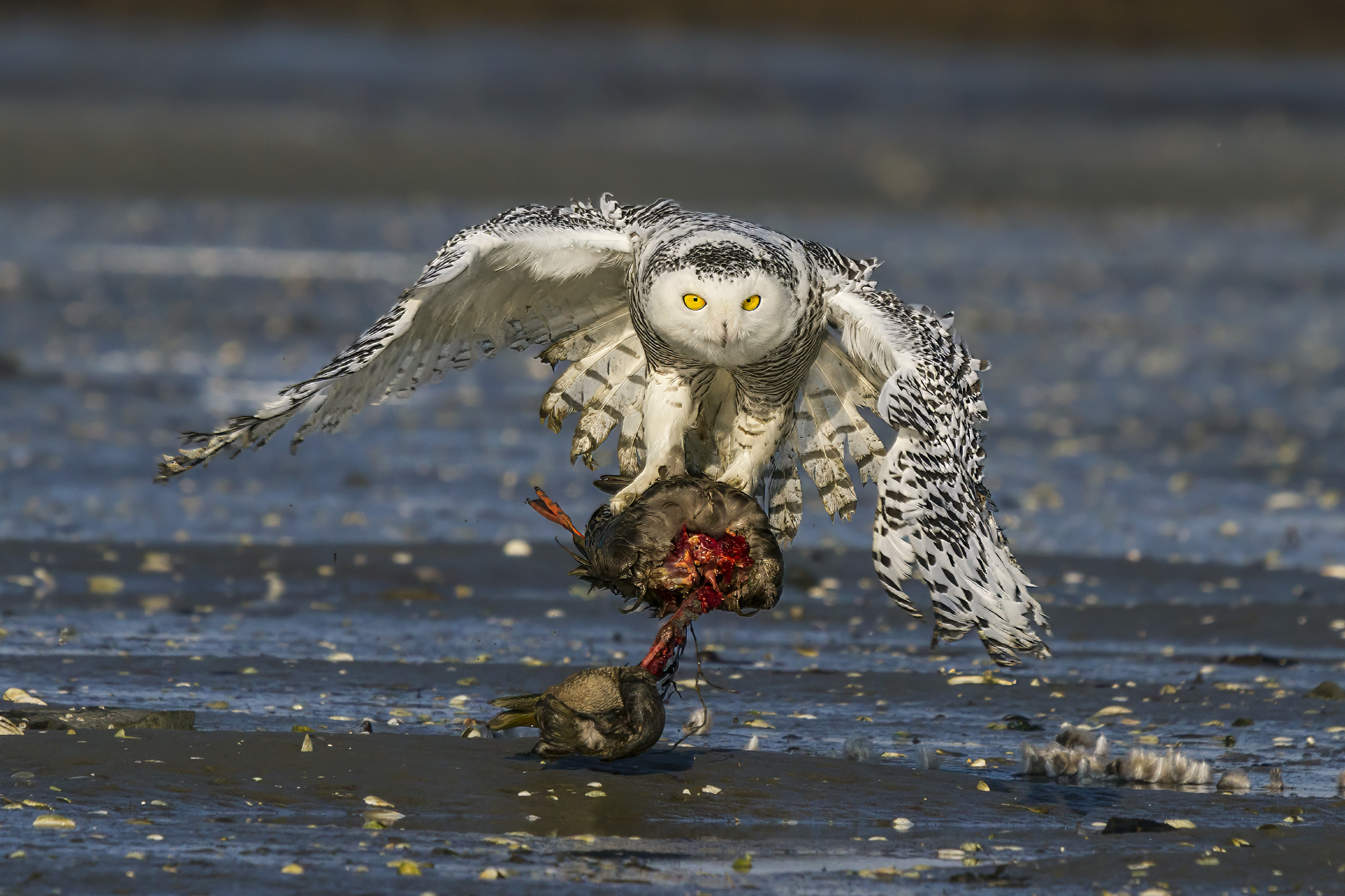
Lemming conservation, often overshadowed by charismatic megafauna, is an endeavor for maintaining Arctic biodiversity. These small rodents, famed for their dramatic population cycles and the persistent myth of mass suicide, play a disproportionately large role in their ecosystems. Understanding their ecological significance, the threats they face from climate change and habitat alteration, and the practical steps individuals and organizations can take is paramount. Conservation efforts focus on habitat preservation, monitoring population dynamics, and mitigating human-induced pressures. While not as glamorous as saving polar bears, effective lemming conservation is essential for the health of the entire Arctic food web, impacting predators like the snowy owl, Arctic foxes, and various raptors. The challenge lies in translating scientific understanding into actionable conservation strategies in a rapidly changing environment.
🎵 Origins & History
The history of lemming conservation is intrinsically linked to our evolving understanding of these rodents, moving from folklore to ecological science. For centuries, lemmings were largely subjects of myth, most notoriously the unfounded belief in mass suicidal plunges off cliffs. Scientific interest began to solidify in the early 20th century, with researchers meticulously documenting their population cycles and ecological roles. Early conservation efforts were often reactive, spurred by perceived population crashes or the need to understand their impact on reindeer grazing lands. The formalization of conservation as a discipline in the mid-20th century, coupled with growing awareness of human impact on ecosystems, began to shift focus towards proactive habitat protection for species like lemmings, particularly in the Arctic regions where their populations are concentrated.
⚙️ How It Works
Lemming conservation hinges on understanding their unique life cycle and ecological niche. Lemmings are herbivores, primarily feeding on grasses, sedges, and mosses, and their populations exhibit dramatic boom-and-bust cycles. These cycles are driven by factors like food availability, predation pressure, and reproductive success, influenced by snow cover depth and duration. Conservation strategies therefore focus on preserving their habitat, particularly the tundra ecosystems that provide essential food and shelter, especially during winter under the snowpack. Protecting these areas from industrial development, such as oil and gas exploration and mining, is crucial. Monitoring their population dynamics through methods like live trapping, scat analysis, and tracking predator populations provides vital data for assessing the health of lemming populations and the broader Arctic ecosystem. Understanding their role as a keystone species, forming the base of the food web for many predators, is fundamental to effective conservation.
📊 Key Facts & Numbers
Lemming populations can fluctuate by staggering magnitudes, with densities sometimes reaching over 100 individuals per hectare during peak years, a stark contrast to near-zero densities during population lows. The collared lemming (Dicrostonyx spp.) and the brown lemming (Lemmus spp.) are the most studied species, with populations of the brown lemming in northern Norway and Sweden known to cycle with remarkable regularity. During peak years, lemming biomass can significantly influence predator populations; for instance, a successful lemming year can lead to a 50% increase in Arctic fox breeding success. Conversely, climate change poses a significant threat, with warming temperatures altering snow conditions, which are critical for lemming winter survival and reproduction. Studies suggest that a reduction in stable snow cover could decrease lemming populations by up to 30% in some regions by 2050. The total land area inhabited by lemmings spans approximately 6.5 million square kilometers across the Arctic.
👥 Key People & Organizations
Key figures in lemming research and conservation include the late Norwegian zoologist Rolf Larsen, whose decades of work on lemming cycles in Fennoscandia provided foundational data. More recently, researchers like Jesper Madsen from the University of Aarhus have contributed significantly to understanding the impact of climate change on Arctic herbivores, including lemmings. Organizations such as the Arctic Council and its working groups, like the Conservation of Arctic Flora and Fauna (CAFF), play a crucial role in coordinating research and conservation efforts across Arctic nations. Local indigenous communities, such as the Inuit and Sami, possess invaluable traditional ecological knowledge about lemming behavior and population trends, which is increasingly being integrated into scientific monitoring programs. The World Wildlife Fund (WWF) also supports broader Arctic ecosystem conservation initiatives that indirectly benefit lemmings.
🌍 Cultural Impact & Influence
The cultural impact of lemmings is largely defined by the persistent myth of mass suicide, a narrative that has permeated popular culture through documentaries like "White Wilderness" and even inspired video games like Lemmings. This myth, however, has obscured their true ecological importance. In reality, lemmings do not commit suicide; their perceived mass movements are often a result of overpopulation leading to dispersal, where individuals may drown accidentally while attempting to cross bodies of water or simply perish from exhaustion or predation during their search for new territories. This misconception has, ironically, spurred some scientific interest, leading to a deeper understanding of their population dynamics and ecological role. Beyond the myth, lemmings are culturally significant to Arctic indigenous peoples, featuring in traditional stories and as a vital food source for both humans and predators, underscoring their deep connection to the Arctic environment and its inhabitants.
⚡ Current State & Latest Developments
Current lemming conservation efforts are increasingly focused on adapting to the rapid changes brought by climate change. Researchers are deploying advanced monitoring techniques, including satellite imagery to track vegetation changes and snow cover, alongside traditional field methods. The Arctic is warming at a rate two to four times faster than the global average, leading to unpredictable snow conditions and shifts in vegetation, both of which directly impact lemming populations. For example, changes in snow texture and depth can hinder their ability to create subnivean (under-snow) habitats crucial for winter survival and breeding. Conservation organizations are advocating for stricter regulations on industrial development in critical lemming habitats and promoting sustainable land-use practices. International collaboration, facilitated by bodies like the Arctic Council, is vital for sharing data and coordinating responses to threats affecting these transboundary populations.
🤔 Controversies & Debates
A significant controversy surrounding lemming conservation is the ongoing debate about the true drivers of their population cycles. While predation and food availability are acknowledged factors, the precise interplay and the extent to which external factors like climate change are disrupting these natural cycles remain subjects of active research and debate. Some scientists argue that the cyclical nature is inherently self-regulating, while others emphasize the increasing influence of anthropogenic factors. Another point of contention is the prioritization of conservation efforts; critics sometimes question the allocation of resources to small rodents when larger, more charismatic species face immediate extinction threats. However, proponents of lemming conservation argue that their role as a keystone species makes their protection essential for the entire Arctic food web, making their conservation a proxy for broader ecosystem health. The legacy of the "suicide myth" also continues to be a challenge, requiring ongoing public education to counter misinformation.
🔮 Future Outlook & Predictions
The future outlook for lemming conservation is inextricably tied to the trajectory of climate change in the Arctic. Projections suggest continued warming will lead to further alterations in snow cover, vegetation, and predator-prey dynamics. This could result in more erratic population cycles or even long-term declines for some lemming species, particularly those in the southern reaches of their range. Conservation strategies will likely need to become more adaptive, focusing on identifying and protecting climate refugia – areas where conditions might remain more stable. Advances in genetic monitoring may also play a role in assessing population health and resilience. Furthermore, increased collaboration with indigenous communities, whose traditional knowledge offers long-term perspectives on environmental change, wil
Key Facts
- Category
- nature
- Type
- topic