
Contents
Overview
Gnosticism isn't a single church or creed, but a constellation of ancient spiritual paths that flourished in the 1st-3rd centuries CE, often alongside early Christianity and Judaism. Think of it less as a religion and more as a radical approach to spirituality, prioritizing direct, personal experience of the divine—what they called 'Gnosis'—over dogma or institutional authority. These groups, from the Valentinians to the Sethians, saw the material world as a flawed creation, a prison designed by a lesser deity, and sought liberation through inner knowledge. If you're drawn to esoteric wisdom and questioning the nature of reality, Gnosticism offers a compelling, albeit complex, framework.
📜 Key Gnostic Concepts & Beliefs
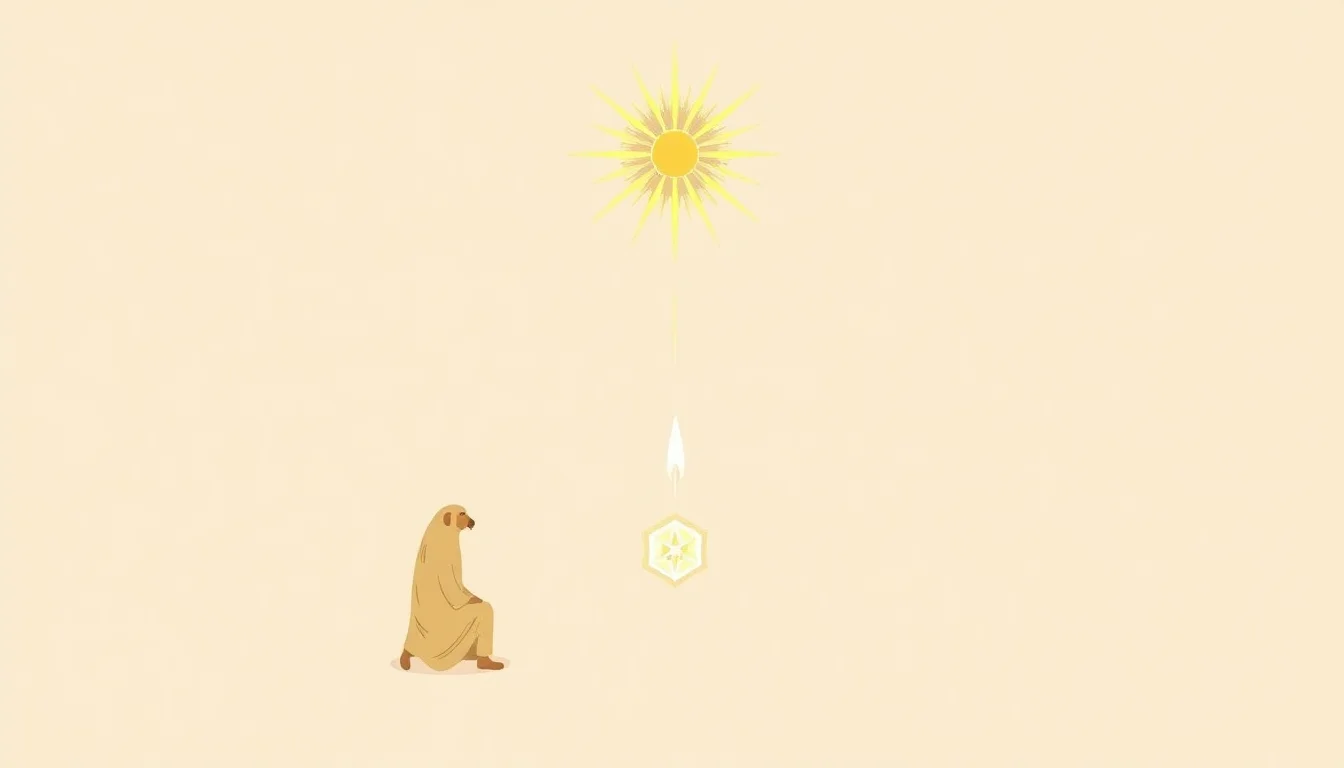
At its heart, Gnosticism posits a radical dualism: a transcendent, unknowable Supreme Being exists beyond our flawed material universe, which was mistakenly or maliciously crafted by a lesser creator, the Demiurge. Humanity, trapped in this material realm, possesses a divine spark—a fragment of the Supreme Being—that can be awakened through Gnosis. This isn't intellectual knowledge, but a profound, intuitive apprehension of one's true spiritual nature and origin. Salvation, therefore, is not about adhering to laws or rituals, but about achieving enlightenment and escaping the illusion of the material world, a concept explored in texts like the Gospel of Thomas.
👥 Who Follows Gnosticism Today?
While ancient Gnosticism largely faded or was absorbed into other traditions, its spirit echoes in various modern movements. You won't find Gnostic temples on every corner, but adherents often gather in informal study groups or online communities. Contemporary Neo-Gnostic movements, such as the Gnostic Church (Ecclesia Gnostica) and various independent spiritual seekers, keep these ancient ideas alive. These modern practitioners often engage with Gnostic philosophy through meditation, esoteric studies, and personal reflection, seeking that same inner awakening described in the Nag Hammadi library.
📚 Where to Find Gnostic Texts
The primary source for understanding Gnosticism is the Nag Hammadi library, discovered in Egypt in 1945. This collection of Coptic texts, dating to the 4th century CE, includes Gospels (like the Gospel of Philip and the aforementioned Gospel of Thomas), apocalypses, and treatises that offer direct insight into Gnostic thought. Other crucial texts include the Pistis Sophia and works attributed to figures like Valentinus and Basilides. Accessing these requires engaging with scholarly translations and commentaries, as the original texts are rare and require specialized knowledge.
💡 Gnosticism vs. Mainstream Religions
Gnosticism presents a stark contrast to mainstream Abrahamic religions like Christianity, Judaism, and Islam. While these traditions often emphasize a benevolent creator God, divine law, and salvation through faith or good works, Gnosticism views the creator of this world as flawed or even malevolent, and salvation as an act of self-realization through Gnosis. The concept of original sin, central to many Christian doctrines, is largely absent in Gnosticism, replaced by the idea of spiritual ignorance or forgetfulness. This fundamental divergence in cosmology and soteriology (theory of salvation) is a key differentiator.
🤔 The Gnostic Vibe Score
Gnosticism's Vibe Score is a complex 70/100. It scores high for its intellectual depth, historical significance, and the potent appeal of its esoteric wisdom, resonating with those who feel alienated by conventional religious structures. However, its niche status, the difficulty in accessing authentic traditions, and the historical controversies surrounding its interpretation temper its broader cultural energy. It's a powerful vibe for the seeker, but not one that dominates the mainstream cultural conversation.
⚖️ Gnosticism's Controversy Spectrum
The Controversy Spectrum for Gnosticism lands firmly in the 'High' category, registering around 85/100. Historically, Gnosticism was vehemently opposed by early Church Fathers like Irenaeus and Tertullian, who labeled it heresy. Modern debates continue regarding its precise origins, its relationship to early Christianity, and the authenticity of various Neo-Gnostic groups. Scholars still grapple with defining its boundaries, and its dualistic cosmology often clashes with modern scientific or philosophical materialism, sparking ongoing intellectual friction.
🚀 Gnosticism's Enduring Influence
The influence of Gnosticism, though often subtle, is undeniable. Its emphasis on inner experience and the critique of material reality have seeped into various philosophical and spiritual currents. Concepts like the Demiurge as a flawed creator can be seen echoed in Manichaeism and later esoteric traditions. The Gnostic rejection of external authority and focus on individual gnosis has also informed aspects of Hermeticism, Alchemy, and even certain strains of existentialism. Its enduring appeal lies in its radical call to awaken to a hidden reality beyond the mundane, a timeless quest for self-knowledge.
Key Facts
- Year
- c. 1st - 4th Century CE (Flourishing)
- Origin
- Hellenistic Mediterranean
- Category
- Philosophy & Religion
- Type
- Philosophical/Religious Movement
Frequently Asked Questions
Is Gnosticism a religion?
Gnosticism is better understood as a diverse collection of spiritual and philosophical systems rather than a single, unified religion. It encompasses various groups and beliefs that emerged primarily in the 1st to 3rd centuries CE, all sharing a common emphasis on personal spiritual knowledge (gnosis) as the path to liberation from the material world. While some modern groups identify as Gnostic churches, the historical phenomenon was more fluid and varied.
What is 'Gnosis'?
Gnosis, a Greek word meaning 'knowledge,' is central to Gnosticism. It refers not to intellectual or factual knowledge, but to a direct, intuitive, and experiential apprehension of divine truth and one's own true spiritual nature. It's an inner awakening that reveals the illusory nature of the material world and the path to spiritual liberation.
Who was the Demiurge?
In Gnostic cosmology, the Demiurge is a lesser, often ignorant or malevolent, creator deity responsible for fashioning the flawed material universe we inhabit. This figure is distinct from the true, transcendent Supreme Being. The Demiurge's creation is seen as a prison or illusion from which the divine spark within humanity seeks to escape.
Are there Gnostics today?
Yes, while ancient Gnosticism as a widespread movement largely declined, its ideas persist. Modern adherents often engage through Neo-Gnostic groups, study circles, and individual spiritual practice. These contemporary practitioners seek to revive and apply Gnostic principles of inner knowledge and liberation in the modern world.
What are the main Gnostic texts?
The most significant collection is the Nag Hammadi library, discovered in Egypt in 1945, which includes texts like the Gospel of Thomas, Gospel of Philip, and the Apocryphon of John. Other important texts include the Pistis Sophia and writings by early Gnostic teachers like Valentinus.
How does Gnosticism differ from Christianity?
Gnosticism fundamentally differs from mainstream Christianity in its view of the creator God, the nature of the material world, and the path to salvation. Gnostics typically see the creator of this world as flawed (the Demiurge), view the material realm as inherently negative, and emphasize salvation through direct spiritual knowledge (gnosis) rather than faith in a savior or adherence to dogma.