
Contents
Overview
The genesis of Gothic literature can be pinpointed to the mid-18th century, a period rife with intellectual ferment and a burgeoning fascination with the medieval past. Horace Walpole is widely credited with igniting the genre with his 1764 novel, The Castle of Otranto, subtitled 'A Gothic Story'. Walpole's intent was to blend the medieval romance with modern sensibilities, creating a narrative steeped in supernatural portents and ancestral doom within a crumbling Italian castle. This foundational work paved the way for a wave of imitators, including Clara Reeve with The Old English Baron (1777) and Ann Radcliffe, whose novels like The Mysteries of Udolpho (1794) refined the genre with psychological suspense and the 'explained supernatural' trope. By the turn of the 19th century, authors like Matthew Gregory Lewis pushed the boundaries of terror with The Monk (1796), solidifying the Gothic's reputation for sensationalism and dark themes.
⚙️ Key Elements & Tropes
At its spectral heart, Gothic literature thrives on a distinct set of atmospheric and thematic elements. Foremost among these are the settings: ancient, decaying castles, isolated abbeys, and labyrinthine mansions that often mirror the psychological state of their inhabitants. The supernatural is a pervasive force, manifesting as ghosts, curses, omens, and inexplicable phenomena, though authors like Ann Radcliffe often employed rational explanations for seemingly supernatural events, creating suspense through ambiguity. Key characters include the persecuted heroine, the Byronic hero or villain (brooding, mysterious, and often morally compromised), and the tyrannical patriarch. Themes of madness, confinement, transgression, and the uncanny – the familiar made strange – are recurrent, exploring the darker aspects of human psychology and societal anxieties, as seen in works like Edgar Allan Poe's short stories.
📊 The Gothic Canon by Numbers
The Gothic's impact is quantifiable through its enduring presence and proliferation. Over 200 years since its inception, estimates suggest thousands of Gothic novels have been published worldwide. The genre saw a significant surge in popularity during the late 18th and early 19th centuries, with hundreds of titles appearing annually in Britain alone. By the Victorian era, Gothic motifs were integrated into mainstream literature, with authors like Charlotte Brontë's Jane Eyre (1847) and Emily Brontë's Wuthering Heights (1847) selling tens of thousands of copies within their first year. Modern Gothic and its subgenres, like Gothic romance, continue to command significant market share, with contemporary authors like Tamsyn Muir achieving millions in sales for their genre-bending works.
👥 Architects of the Dark
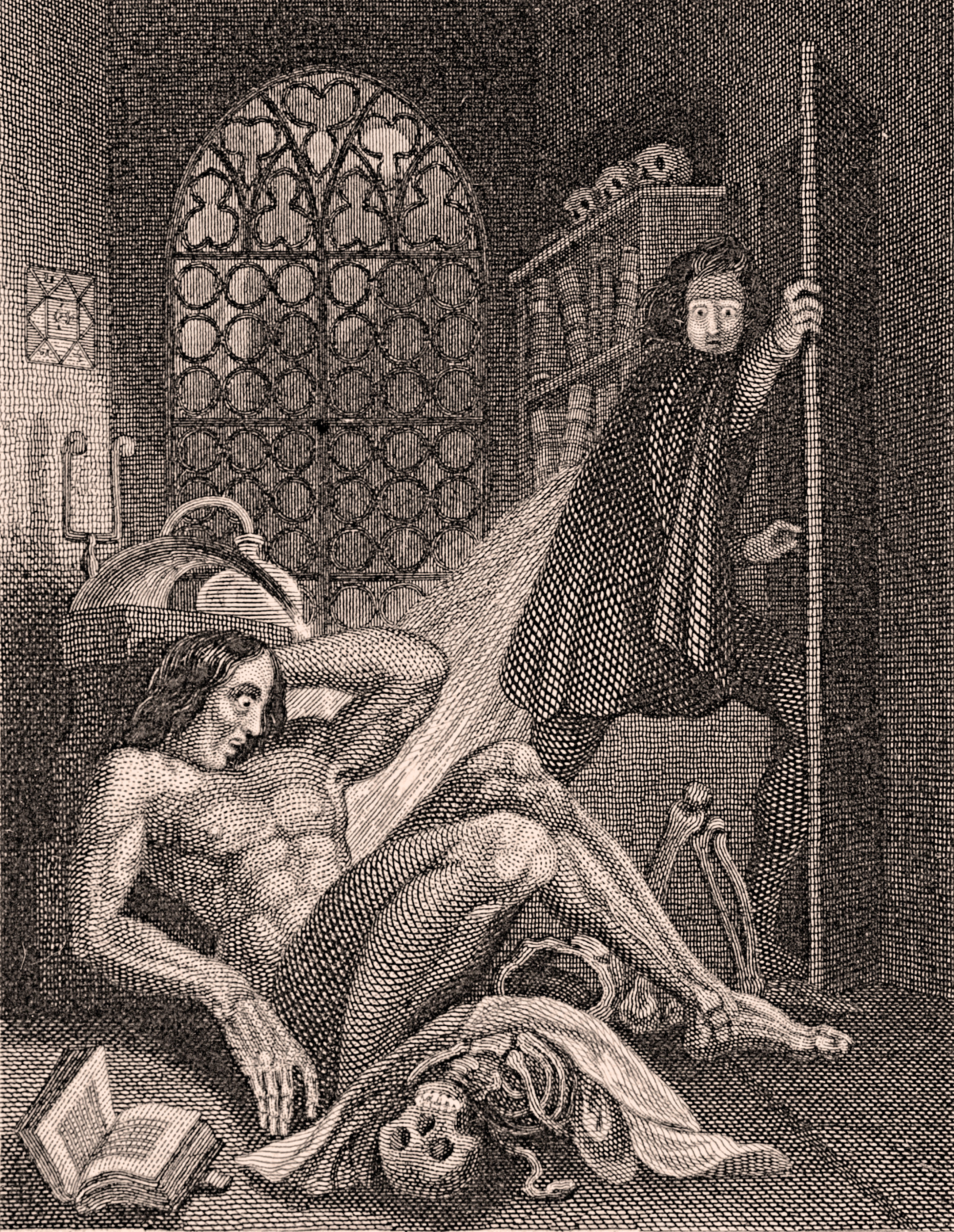
The pantheon of Gothic literature is populated by authors whose imaginations conjured worlds of dread and fascination. Horace Walpole, the genre's progenitor, established the blueprint with The Castle of Otranto. Ann Radcliffe perfected the art of suspense and the 'explained supernatural' in novels like The Mysteries of Udolpho. Matthew Gregory Lewis brought sensationalism and overt horror with The Monk. Later, Mary Shelley infused Gothic with philosophical depth in Frankenstein (1818), while Edgar Allan Poe masterfully explored psychological horror in his short stories and poems. In the Victorian era, Charlotte Brontë and Emily Brontë adapted Gothic elements to explore domestic and psychological landscapes. The Gothic Revival movement in architecture also provided a visual language that deeply informed the literary aesthetic.
🌍 Cultural Resonance & Influence
The influence of Gothic literature extends far beyond the printed page, permeating various facets of culture. Its aesthetic and thematic preoccupations profoundly shaped Romanticism, emphasizing emotion, individualism, and the sublime. The genre provided fertile ground for Victorian literature, influencing authors like Charles Dickens in works such as Great Expectations and the Brontë sisters. The psychological depth and exploration of the darker human psyche laid groundwork for modernist and postmodernist literature. Furthermore, Gothic tropes have been a constant presence in cinema, from early silent films like The Cabinet of Dr. Caligari (1920) to modern horror franchises, and have inspired countless musicians, artists, and fashion designers, cementing its status as a pervasive cultural force.
⚡ Modern Gothic Manifestations
In the 21st century, Gothic literature continues to evolve, adapting its ancient fears to contemporary anxieties. Modern Gothic authors often blend genre conventions with other literary styles, creating hybrid forms that resonate with new audiences. Tamsyn Muir's The Locked Tomb series, for instance, merges Gothic horror with science fiction and dark fantasy, achieving significant critical and commercial success. Contemporary works frequently explore themes of social injustice, ecological dread, and the psychological impact of technology, reimagining the haunted castle as a digital space or a decaying urban environment. The rise of Dark Academia as a subculture on platforms like TikTok and Instagram demonstrates a renewed public appetite for Gothic aesthetics, focusing on themes of intellectualism, mystery, and melancholic beauty.
🤔 Controversies & Criticisms
Despite its enduring appeal, Gothic literature has not been without its critics and controversies. Early critiques often focused on the genre's perceived sensationalism, melodrama, and reliance on supernatural elements, with some dismissing it as mere escapism. Feminist critique has focused on the portrayal of female characters as passive victims, though scholars like Claire Farrar have highlighted the agency and resilience of many Gothic heroines. Debates also persist regarding the genre's engagement with class, race, and colonialism; some scholars argue that Gothic narratives can perpetuate harmful stereotypes, while others contend that they offer potent critiques of societal power structures and historical injustices, particularly in postcolonial Gothic literature.
🔮 The Future of Fear
The future of Gothic literature appears robust, driven by its inherent adaptability and its capacity to tap into timeless human fears. As global anxieties shift, the genre is poised to reflect these new terrors, potentially exploring themes of climate catastrophe, digital surveillance, and societal collapse through a Gothic lens. We may see further hybridization with genres like science fiction and cyberpunk, creating 'techno-Gothic' narratives. The increasing accessibility of digital platforms also allows for new forms of Gothic expression, from interactive fiction to serialized web novels. The core appeal of exploring the dark, the unknown, and the deeply unsettling aspects of existence ensures that Gothic literature will continue to find new voices and new audiences for centuries to come.
💡 Gothic in Other Media
Gothic literature's influence is not confined to the literary world; its aesthetic and thematic elements have deeply permeated other media. Cinema has been a particularly fertile ground, with directors like Tim Burton consistently drawing on Gothic imagery and mood in films such as Beetlejuice (1988) and Edward Scissorhands (1990). The visual language of Gothic architecture and shadowy atmospheres is a staple in horror films, from classic Universal Monsters movies to modern productions. Music, particularly genres like Gothic rock (with bands like Bauhaus) and industrial music, directly adopted the genre's dark, melancholic, and often dramatic sensibilities. Video games, too, frequently employ Gothic settings and narratives, offering players immersive experiences in haunted locales and supernatural mysteries, seen in titles like Bloodborne (2015).
📚 Further Descent into Darkness
For those seeking to delve deeper into the shadowed corners of Gothic literature, several avenues offer rich exploration. Examining the foundational texts is crucial: Horace Walpole's The Castle of Otranto, Ann Radcliffe's *The Mysteries of Udolpho
Key Facts
- Category
- culture
- Type
- topic