
Contents
Overview
Griffith Park, a colossal municipal park nestled in the Santa Monica Mountains of Los Angeles, stands as a testament to urban planning and natural preservation. Reportedly established in 1896, it's renowned as the largest municipal park with an urban wilderness area in the United States, dwarfing iconic green spaces like New York's Central Park and San Francisco's Golden Gate Park in sheer scale and ruggedness. This sprawling expanse, which straddles the Los Feliz neighborhood and the San Fernando Valley, is not merely a recreational area but a cultural touchstone, famously serving as the backdrop for countless films and home to landmarks like the Griffith Observatory, the Los Angeles Zoo, and the iconic Hollywood Sign. Its designation as an 'urban wilderness' underscores its dual role: providing accessible nature within a dense metropolis while safeguarding diverse ecosystems.
🎵 Origins & History
The genesis of Griffith Park traces back to the vision of Griffith J. Griffith, a Welsh immigrant and mining magnate, who in 1896 donated 3,015 acres of his land to the City of Los Angeles, stipulating it be preserved as a public park. This foundational gift, later expanded through subsequent acquisitions and donations, was driven by Griffith's desire to provide a natural sanctuary for the burgeoning city. Early development focused on creating accessible pathways and scenic overlooks, with the iconic Griffith Observatory, funded by Griffith's own endowment, opening its doors in 1935, long after his death. Over the decades, the park's acreage grew, notably with the addition of land that would eventually house the Los Angeles Zoo and the Autry Museum of the American West, solidifying its status as a multifaceted cultural and recreational hub.
⚙️ How It Works
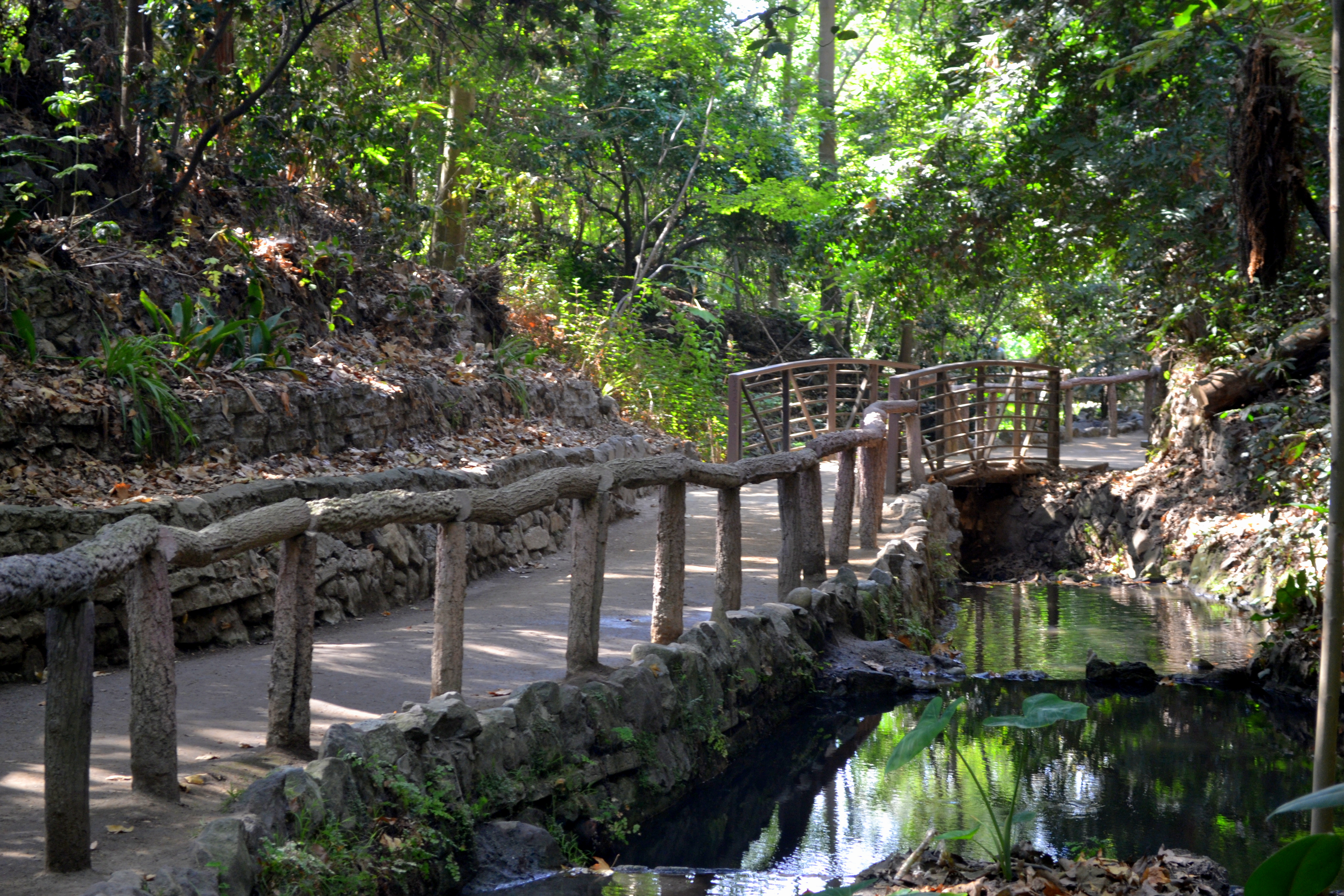
Griffith Park functions as a complex ecosystem of managed recreational zones and protected natural habitats. Its infrastructure includes areas with hiking trails, picnic areas, the Hollywood Bowl amphitheater, and various cultural institutions. The park's management, overseen by the Los Angeles Department of Recreation and Parks, balances public access with conservation efforts, particularly concerning its chaparral and coastal sage scrub environments. Water management, fire prevention, and wildlife corridor maintenance are critical operational aspects, ensuring the park's ecological integrity against the pressures of its urban surroundings. The park's topography, characterized by steep hills and canyons, dictates trail design and accessibility, offering both strenuous hikes and more gentle strolls.
📊 Key Facts & Numbers
Spanning an impressive 4,310 acres, Griffith Park is the largest municipal park in California and ranks as the largest municipal park with an urban wilderness area in the United States. It encompasses over 53 miles of trails, attracting an estimated 10 million visitors annually, making it one of the most visited parks in North America. The park's elevation ranges from approximately 300 feet to over 1,600 feet above sea level at its highest point, Mount Hollywood. The Griffith Observatory alone draws over 1.5 million visitors each year. The park's land value, if privately held, would be astronomical, underscoring the immense public asset it represents, with an estimated 10% of the city's land dedicated to its green spaces, including Griffith Park.
👥 Key People & Organizations
The park's existence is inextricably linked to Griffith J. Griffith, whose 1896 donation of over 3,000 acres laid its foundation. His endowment also funded the Griffith Observatory, a landmark designed by architects John C. Austin and Frederick M. Lyman. The Los Angeles Department of Recreation and Parks is the primary managing body, responsible for its upkeep and programming. Key cultural institutions within its bounds include the Los Angeles Zoo, operated by the Greater Los Angeles Zoo Association, and the Autry Museum of the American West, founded by Western author and broadcasting executive Gene Autry. The Hollywood Sign Trust also plays a role in preserving the iconic sign situated on park land.
🌍 Cultural Impact & Influence
Griffith Park's cinematic presence is undeniable, having served as a filming location for hundreds of movies and television shows, cementing its status as a globally recognized icon. Its rugged terrain and dramatic vistas have provided the backdrop for everything from classic Hollywood epics to modern blockbusters, including the iconic opening scene of Rebel Without a Cause featuring James Dean and the memorable sequences in La La Land. Beyond film, the park's natural beauty inspires artists, photographers, and nature enthusiasts, contributing to Los Angeles' cultural identity as a city that embraces both urban sprawl and natural escapes. The park's designation as an 'urban wilderness' also influences environmental discourse, highlighting the importance of preserving natural spaces within metropolitan areas.
⚡ Current State & Latest Developments
Recent developments in Griffith Park focus on enhancing visitor experience and ecological resilience. The park has seen ongoing trail restoration projects following damage from wildfires, such as the 2007 Firestorm, which burned over 80% of the park. Efforts are underway to improve accessibility to key attractions like the Griffith Observatory and to expand educational programming at the Los Angeles Zoo. The city is also exploring initiatives to mitigate the impact of increased visitor numbers, including potential shuttle services and improved parking management. Furthermore, ongoing research into the park's biodiversity, particularly its native wildlife like coyotes and mountain lions, informs conservation strategies aimed at maintaining ecological balance.
🤔 Controversies & Debates
Griffith Park is not without its controversies, primarily revolving around balancing public access with ecological preservation and managing the impact of its immense popularity. Debates frequently arise concerning the development of new facilities, the management of off-leash dogs in sensitive habitats, and the impact of large-scale events like the Stagecoach Festival (though not directly in the park, its impact on regional traffic and perception of large events is relevant). The presence of wildlife, particularly coyotes and mountain lions, also sparks discussion about human-wildlife coexistence and safety protocols. Furthermore, the park's historical context, including the legacy of its namesake, Griffith J. Griffith, and his controversial past, occasionally surfaces in public discourse.
🔮 Future Outlook & Predictions
The future of Griffith Park hinges on its ability to adapt to a growing metropolis and a changing climate. Projections suggest continued increases in visitor numbers, necessitating innovative solutions for traffic management, waste reduction, and resource conservation. The park's role as an 'urban wilderness' will likely become even more critical, demanding enhanced conservation efforts to protect its biodiversity against urban encroachment and the effects of climate change, such as increased wildfire risk and drought. Investments in sustainable infrastructure, expanded educational outreach, and community engagement will be crucial for ensuring its long-term viability as a vital natural and cultural asset for generations to come. The potential for further land acquisition or designation of adjacent open spaces could also expand its protective buffer.
💡 Practical Applications
Griffith Park serves as a vital recreational and educational resource for the greater Los Angeles area. Its extensive trail system offers opportunities for hiking, running, and cycling, promoting physical health and well-being among residents. The park's cultural institutions, including the Griffith Observatory and the Autry Museum of the American West, provide accessible educational experiences in astronomy, natural history, and Western art and culture. For filmmakers and photographers, it offers a readily available and iconic natural and urban landscape, reducing production costs and enhancing the visual appeal of their work. Its role as a wildlife corridor also supports ecological research and conservation efforts within the urban environment.
Key Facts
- Category
- nature
- Type
- topic