
Contents
Overview
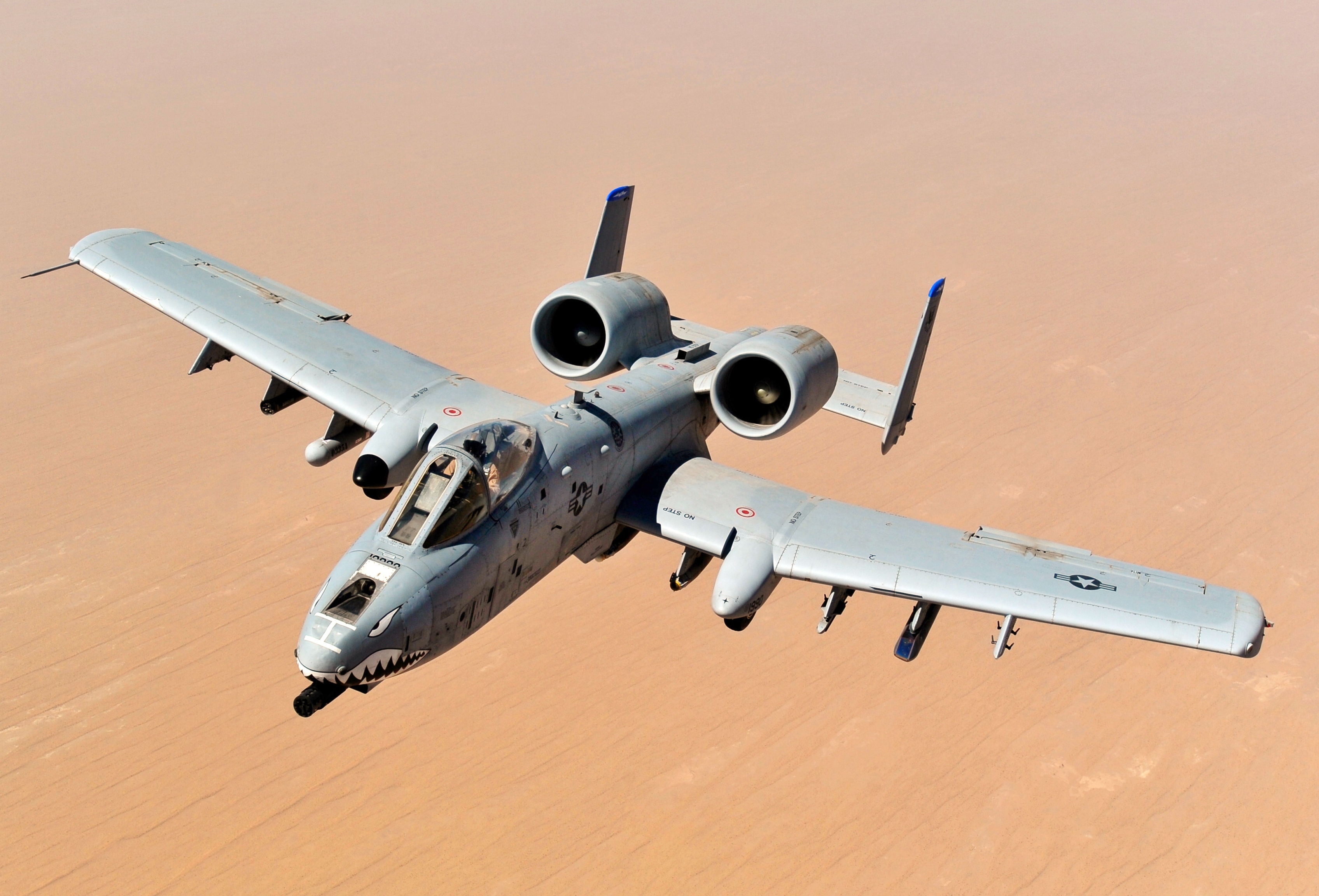
Ground attack aircraft, also known as strike aircraft or attack bombers, are specialized military planes built to deliver precision strikes against enemy ground targets. Unlike strategic bombers that operate at high altitudes, these aircraft are designed for low-level operations, often in contested airspace, to provide close air support for ground troops or conduct naval interdiction. Their role is distinct from pure fighters, focusing on surface attack rather than air-to-air combat, though many modern 'strike fighters' blur these lines. Historically, dedicated attack aircraft have been instrumental in conflicts from the Korean War to modern counter-insurgency operations, with platforms like the A-10 Thunderbolt II becoming iconic symbols of their devastating capability. The development of precision-guided munitions has further enhanced their effectiveness, allowing them to neutralize targets with unprecedented accuracy while minimizing collateral damage.
🎵 Origins & History
The genesis of dedicated ground attack aircraft can be traced back to the early days of aerial warfare. Post-war, the role evolved with aircraft like the North American F-86 Sabre in its fighter-bomber variants and the Soviet Ilyushin Il-10 'Beast' becoming prominent. The Vietnam War saw extensive use of aircraft like the Douglas A-1 Skyraider for close air support, a role later filled by jets like the Fairchild Republic A-10 Thunderbolt II.
⚙️ How It Works
Ground attack aircraft are engineered for survivability and payload delivery in hostile environments. Their design prioritizes robust airframes capable of withstanding ground fire, often featuring heavy armor plating around critical components like the cockpit and engines, as seen in the A-10 Thunderbolt II's titanium 'bathtub'. They are equipped with sophisticated targeting systems, including FLIR and laser designators, to identify and engage targets with precision-guided munitions (PGMs). Unlike fighters focused on speed and maneuverability for air combat, attack aircraft often possess greater loiter time over a target area and carry a significantly larger and more diverse ordnance load. Their engines are typically optimized for thrust and reliability at lower altitudes, and many incorporate electronic countermeasures to evade surface-to-air missiles.
📊 Key Facts & Numbers
The United States Air Force operates the largest inventory of ground attack aircraft. Major manufacturers like Boeing, Lockheed Martin, BAE Systems, and Sukhoi have produced iconic platforms.
👥 Key People & Organizations
Key figures in the development and deployment of ground attack aircraft include Ian Bozic, a lead engineer on the A-10 Thunderbolt II program at Fairchild Republic Company, and John Boyd, whose OODA loop theory influenced fighter and attack aircraft tactics. Major manufacturers like Boeing, Lockheed Martin, BAE Systems, and Sukhoi have produced iconic platforms. The USAF and Russian Air Force are the largest operators, with significant contributions also coming from the RAF and PLAAF. The NATO alliance standardizes many operational procedures, ensuring interoperability between member nations' attack capabilities.
🌍 Cultural Impact & Influence
Ground attack aircraft have profoundly shaped modern warfare and military culture. Their visible presence in conflicts, often flying low and delivering ordnance, has made them potent symbols of air power, sometimes romanticized in media and popular culture, such as the film 'Top Gun' which, while focusing on fighters, highlights the broader strike mission. The iconic 'BRRRRT' sound of the A-10 Thunderbolt II's GAU-8 Avenger cannon has become synonymous with devastating ground assault. Their effectiveness in providing close air support has directly influenced battlefield outcomes, saving countless ground troops from being overrun, as seen in operations during the Gulf War and subsequent conflicts in Iraq and Afghanistan. The psychological impact on enemy forces, knowing that a dedicated hunter is overhead, is also a significant, though less quantifiable, aspect of their influence.
⚡ Current State & Latest Developments
The current landscape of ground attack aircraft is increasingly dominated by multirole fighters and stealth platforms, blurring the lines of dedicated attack roles. Aircraft like the F-35 Lightning II and F-22 Raptor combine air superiority with advanced ground attack capabilities, leveraging stealth technology to penetrate heavily defended airspace. However, the enduring effectiveness of dedicated, heavily armored platforms like the A-10 Thunderbolt II is still recognized, leading to ongoing debates about their retirement versus modernization. Russia continues to operate and upgrade its Sukhoi Su-25 'Frogfoot' fleet, while China is developing new platforms to enhance its ground attack capabilities. The integration of AI into targeting systems and autonomous drone swarms also represents a significant shift in how ground attack missions are envisioned and executed.
🤔 Controversies & Debates
The very existence of dedicated ground attack aircraft is a subject of debate, particularly in the age of advanced multirole fighters and unmanned aerial vehicles (UAVs). Critics argue that specialized aircraft are less cost-effective and flexible than multirole platforms like the F-35 Lightning II, which can perform air-to-air combat, reconnaissance, and ground attack. The survivability of unarmored or lightly armored attack aircraft in high-threat environments, especially against modern surface-to-air missile (SAM) systems and advanced air defenses, is also a persistent concern. Furthermore, the increasing reliance on precision-guided munitions has led some to question the necessity of heavily armed, manned aircraft when unmanned systems can perform similar tasks with reduced risk to human life, though the ethical implications of autonomous lethal weapons remain a significant controversy.
🔮 Future Outlook & Predictions
The future of ground attack is likely to be a hybrid model, blending manned platforms with advanced unmanned systems. Expect to see further integration of AI into targeting and mission planning, enabling faster decision-making and greater precision. The development of hypersonic munitions could dramatically alter the standoff attack capabilities, allowing aircraft to engage targets from much greater distances, further reducing their exposure to enemy defenses. Furthermore, the concept of 'loyal wingman' drones, operating alongside manned fighters and attack aircraft, will likely become more prevalent, extending sensor networks and weapon payloads. The emphasis will continue to be on survivability through stealth, electronic warfare, and network-centric operations, potentially leading to a decline in the traditional, heavily armored attack aircraft in favor of more agile, technologically advanced platforms.
💡 Practical Applications
Ground attack aircraft are primarily employed for close air support (CAS), providing direct fire to assist friendly ground forces engaged in combat. This includes neutralizing enemy artillery, armor, and infantry positions. They are also crucial for interdiction missions, targeting enemy supply lines, command and control centers, and infrastructure behind enem
Key Facts
- Category
- technology
- Type
- topic