
Contents
- 🎵 Origins & History
- ⚙️ How It Works
- 📊 Key Facts & Numbers
- 👥 Key People & Organizations
- 🌍 Cultural Impact & Influence
- ⚡ Current State & Latest Developments
- 🤔 Controversies & Debates
- 🔮 Future Outlook & Predictions
- 💡 Practical Applications
- 📚 Related Topics & Deeper Reading
- Frequently Asked Questions
- References
- Related Topics
Overview
The genesis of hard rock can be traced to the mid-1960s, a period of intense sonic experimentation within rock music. Precursors like The Rolling Stones' rawer blues-rock sound, The Kinks' early use of distorted guitar riffs on tracks like 'You Really Got Me' (1964), and the explosive energy of The Who and The Yardbirds provided crucial building blocks. Psychedelic rock, with its embrace of amplified instrumentation and extended solos, also played a significant role, as did the blues-rock power trios like Cream and the Jimi Hendrix Experience. By the late 1960s, bands like Blue Cheer with their album Vincebus Eruptum (1968) and Iron Butterfly with 'In-A-Gadda-Da-Vida' (1968) were pushing volume and distortion to new extremes, directly paving the way for the genre's explosion in the 1970s.
⚙️ How It Works
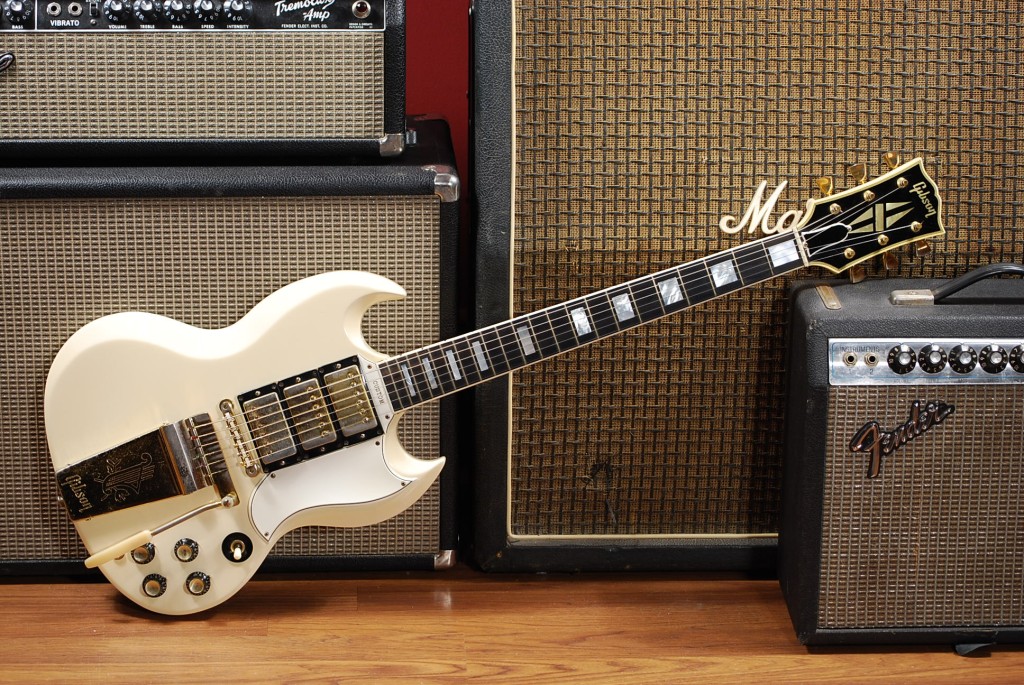
At its core, hard rock is defined by its sonic architecture: heavily amplified and distorted electric guitars, often utilizing fuzz or overdrive pedals, form the melodic and rhythmic backbone. These guitars typically play prominent riffs, power chords, and extended, virtuosic solos. The rhythm section is equally crucial, featuring a powerful, driving drum beat—often with a strong backbeat—and a prominent, often complex, bass guitar line that locks in with the drums. Vocals tend to be strong, sometimes raw or gritty, and delivered with considerable force, ranging from melodic singing to more aggressive shouts. The overall sound prioritizes volume, intensity, and a palpable sense of raw energy, distinguishing it from lighter rock forms.
📊 Key Facts & Numbers
Hard rock has been a dominant force in popular music for decades, with its peak commercial success occurring in the 1970s and 1980s. Globally, albums by hard rock giants have sold tens of millions of copies; Led Zeppelin's untitled fourth album, for instance, has sold over 37 million copies worldwide. The genre has produced over 300 bands that have achieved at least one gold or platinum certification in the United States alone. In 2023, rock music, broadly defined, still accounted for approximately 15-20% of all music consumption in major markets like the US and UK, with hard rock and its derivatives forming a significant portion of that share. The average concert ticket price for a major hard rock act can range from $75 to $250 USD.
👥 Key People & Organizations
The architects of hard rock are numerous, but certain figures stand out. Jimmy Page of Led Zeppelin is widely regarded as a master riff-writer and innovative guitarist. Ian Gillan, the vocalist for Deep Purple, defined a powerful, high-pitched vocal style. Tony Iommi of Black Sabbath is credited with pioneering many of the heavy, down-tuned guitar sounds that would later define heavy metal. Angus Young of AC/DC is an iconic guitarist known for his energetic stage presence and blues-infused riffs. Eddie Van Halen revolutionized guitar playing with his innovative techniques like two-handed tapping. Major record labels like Atlantic Records and Columbia Records were instrumental in signing and promoting many of the genre's biggest acts.
🌍 Cultural Impact & Influence
Hard rock's influence extends far beyond its immediate sonic footprint. It fundamentally reshaped the perception of guitar-driven music, elevating the electric guitar to a primary solo instrument and popularizing the guitar solo itself. The genre's raw energy and rebellious spirit permeated youth culture, influencing fashion, attitudes, and other art forms. Its success paved the way for the development of even heavier genres like heavy metal, thrash metal, and glam metal. Furthermore, the stadium-filling spectacle pioneered by bands like Kiss set new standards for live rock performances, impacting concert production and fan engagement across the music industry.
⚡ Current State & Latest Developments
While hard rock experienced its commercial zenith in the late 20th century, it remains a vital and active genre in the 21st. Contemporary bands like Greta Van Fleet have achieved significant success by channeling the sounds of 1970s hard rock, demonstrating the enduring appeal of the classic formula. Established acts like Metallica (whose early work is heavily rooted in hard rock) continue to tour and release new material to massive audiences. Streaming platforms like Spotify and YouTube have made hard rock's extensive catalog more accessible than ever, fostering new generations of fans. The genre's influence can also be heard in the work of modern rock and alternative artists who incorporate its sonic elements.
🤔 Controversies & Debates
A persistent debate surrounds the exact demarcation between hard rock and heavy metal, with many bands existing in a grey area. Critics sometimes dismiss hard rock as overly simplistic or formulaic, particularly during its more commercially oriented phases in the 1980s, accusing some bands of sacrificing authenticity for pop appeal. Conversely, purists argue that the genre's emphasis on blues-based riffs and melodic hooks distinguishes it from the often more extreme and technically complex nature of metal. The commercialization of hard rock in the 1980s, leading to the rise of hair metal, also sparked controversy regarding its perceived superficiality and reliance on image over substance.
🔮 Future Outlook & Predictions
The future of hard rock likely involves continued hybridization and evolution. We may see further integration with electronic music elements, as explored by some modern rock acts, or a resurgence of raw, stripped-down sounds reminiscent of its garage rock roots. The enduring appeal of classic hard rock suggests that bands faithfully adhering to its core tenets will continue to find an audience, particularly through live performances and niche streaming communities. The challenge for emerging artists will be to innovate within the genre's established framework without alienating its core fanbase, potentially leading to new sub-subgenres that blend hard rock's power with contemporary musical trends.
💡 Practical Applications
Hard rock's sonic power and infectious energy lend themselves to various practical applications beyond pure music consumption. Its driving rhythms are often utilized in film and television soundtracks to underscore action sequences, create a sense of rebellion, or evoke a nostalgic feel for specific eras. In video games, hard rock anthems are frequently employed to heighten the intensity of gameplay or define character archetypes. The genre's emphasis on powerful guitar riffs has also inspired countless aspiring musicians, serving as a foundational training ground for developing instrumental proficiency and understanding song structure, particularly within music education programs.
Key Facts
- Year
- 1960s-present
- Origin
- United Kingdom and United States
- Category
- culture
- Type
- genre
Frequently Asked Questions
What are the defining characteristics of hard rock music?
Hard rock is defined by its amplified and distorted electric guitars, which play prominent riffs and power chords. It features a driving, powerful rhythm section with strong drumming and bass lines, and often features aggressive or high-energy vocals. The overall sound is characterized by its volume, intensity, and a raw, energetic feel, distinguishing it from softer rock genres. Key elements include prominent guitar solos and a blues-influenced melodic sensibility.
Which bands are considered pioneers of hard rock?
Pioneering bands include The Kinks, whose 1964 track 'You Really Got Me' showcased early distorted guitar work. The Yardbirds experimented with heavier sounds, and The Who brought immense power and stage presence. Cream and the Jimi Hendrix Experience further pushed the blues-rock envelope with amplified intensity. By the late 1960s, Blue Cheer and Iron Butterfly were releasing albums that leaned heavily into distortion and volume, setting the stage for the genre's explosion.
How did hard rock influence heavy metal?
Hard rock served as the direct precursor to heavy metal. Bands like Led Zeppelin, Deep Purple, and especially Black Sabbath took hard rock's amplified sound, distorted guitars, and heavy riffs and intensified them further. Sabbath, in particular, with their darker themes and down-tuned, sludgier guitar sound, is widely credited with creating the blueprint for heavy metal. Hard rock's emphasis on powerful guitar work and aggressive delivery provided the essential foundation upon which metal was built.
What is the difference between hard rock and classic rock?
The terms 'hard rock' and 'classic rock' often overlap but are not interchangeable. 'Classic rock' is a broader, often nostalgic term referring to popular rock music from roughly the mid-1960s to the late 1980s, encompassing various subgenres like blues-rock, psychedelic rock, progressive rock, and hard rock. Hard rock specifically refers to the heavier, more distorted, and riff-driven subgenre within that era. So, while many classic rock songs are hard rock, not all classic rock is hard rock; for example, The Beatles are classic rock but not typically considered hard rock.
Is hair metal considered a type of hard rock?
Yes, glam metal, often referred to as hair metal, is widely considered a subgenre or a commercial evolution of hard rock, particularly prominent in the 1980s. Bands like Mötley Crüe, Poison, and Bon Jovi (in their early work) combined the sonic elements of hard rock—distorted guitars, anthemic choruses, and guitar solos—with a strong emphasis on visual presentation, flamboyant fashion, and often more pop-oriented song structures. While sharing roots, hair metal is often distinguished by its polished production and image-centric approach.
Where can I listen to classic hard rock albums?
Classic hard rock albums are widely available on major streaming platforms such as Spotify, Apple Music, and Amazon Music. Physical media like vinyl records and CDs can be purchased from online retailers like Discogs, Amazon, and independent record stores. Many classic albums are also available for digital download through platforms like iTunes. For a curated experience, look for playlists dedicated to '70s hard rock or '80s hard rock on streaming services.
What are some modern bands that play in the hard rock style?
Several contemporary bands carry the torch of hard rock. Greta Van Fleet gained significant attention for their sound heavily inspired by 1970s hard rock giants like Led Zeppelin. The Struts offer a high-energy, anthemic take on the genre. Bands like Rival Sons and Wolfmother also deliver a raw, riff-heavy sound that harks back to hard rock's roots. These bands demonstrate that the genre continues to resonate with new audiences and musicians.