
Contents
- 📚 Introduction to Literary Landmarks
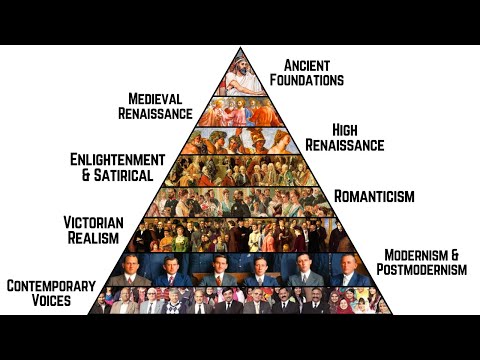
- 🏛️ Ancient Civilizations and the Emergence of Literature
- 📖 The Middle Ages and the Rise of Vernacular Literature
- 💡 The Renaissance and the Revival of Classical Forms
- 🌟 The 18th and 19th Centuries: The Age of Reason and Romanticism
- 📚 The 20th Century: Modernism and the Experimentation with Form
- 🌎 Globalization and the Digital Age: The Evolution of Literary Landmarks
- 🤔 The Future of Literary Landmarks: Challenges and Opportunities
- 📊 The Impact of Literary Landmarks on Society
- 📚 Conclusion: The Enduring Legacy of Literary Landmarks
- Frequently Asked Questions
- Related Topics
Overview
The history of literature is a rich tapestry woven from the contributions of countless authors, poets, and playwrights across millennia. From the epic poems of ancient Greece, such as Homer's 'Iliad' and 'Odyssey' (circa 8th century BCE), to the modernist movements of the 20th century, literature has been a mirror reflecting the societal, cultural, and philosophical shifts of human history. The influence of ancient civilizations, such as the Romans and Egyptians, can be seen in the works of later writers, including Shakespeare (1564-1616) and the Romantics. The 19th century saw the rise of realism, led by authors like Charles Dickens (1812-1870) and the Brontë sisters, while the 20th century was marked by experimentation and diversity, with movements like modernism, postmodernism, and magical realism. The digital age has further expanded the literary landscape, with the emergence of new genres, styles, and platforms. As we look to the future, the question remains: how will literature continue to evolve and reflect the complexities of our globalized, technologically driven world?
📚 Introduction to Literary Landmarks
The evolution of literary landmarks is a rich and complex topic that spans thousands of years, with roots in ancient civilizations and literary techniques. The history of literature is marked by significant milestones, including the emergence of epic poetry and the development of drama. As literature evolved, it reflected the cultural, social, and political contexts of its time, shaping the way we think about the world and our place in it. The concept of literary canon has been debated by scholars, with some arguing that it is a reflection of the cultural and historical context in which the works were written. Others, like Marxist theorists, argue that literature is a product of the economic and social conditions of the time. The study of literary theory provides a framework for understanding the evolution of literary landmarks and their significance in contemporary society.
🏛️ Ancient Civilizations and the Emergence of Literature
The ancient civilizations of Mesopotamia, Egypt, and Greece made significant contributions to the development of literature. The epic poems of Homer, such as the Iliad and the Odyssey, are considered some of the greatest works of literature in the ancient world. The ancient Greeks also developed tragedy and comedy, which continue to influence literature and theater today. The works of Aristotle and Plato provide valuable insights into the literary and philosophical thought of the time. The concept of mimesis, or imitation, was central to the development of literary theory in ancient Greece. The influence of ancient Greek literature can be seen in the works of later writers, such as Shakespeare and Milton.
📖 The Middle Ages and the Rise of Vernacular Literature
The Middle Ages saw the rise of vernacular literature, with writers such as Dante and Chaucer producing works in their native languages. The Renaissance marked a significant turning point in the evolution of literary landmarks, with the revival of classical forms and the emergence of new literary movements. The works of Petrarch and Boccaccio exemplify the humanist ideals of the Renaissance. The concept of humanism emphasized the potential of human beings to achieve great things through education and individualism. The influence of Renaissance literature can be seen in the works of later writers, such as John Donne and John Milton.
💡 The Renaissance and the Revival of Classical Forms
The 18th and 19th centuries were marked by significant literary movements, including the Age of Reason and Romanticism. Writers such as Voltaire and Rousseau championed the principles of reason and intellectual curiosity, while poets such as Wordsworth and Coleridge explored the beauty of nature and the human experience. The concept of imagination was central to the development of Romantic literature. The influence of Romantic literature can be seen in the works of later writers, such as Emily Dickinson and Walt Whitman.
🌟 The 18th and 19th Centuries: The Age of Reason and Romanticism
The 20th century saw the rise of Modernism, with writers such as James Joyce and Virginia Woolf experimenting with new forms and techniques. The Postmodernism movement, led by writers such as Thomas Pynchon and Don DeLillo, challenged traditional notions of literature and reality. The concept of hyperreality was central to the development of Postmodern literature. The influence of Postmodern literature can be seen in the works of later writers, such as David Foster Wallace and Jonathan Franzen.
📚 The 20th Century: Modernism and the Experimentation with Form
In the digital age, literary landmarks continue to evolve, with the rise of digital literature and social media changing the way we consume and interact with literature. The concept of participatory culture has become increasingly important, with readers and writers collaborating and sharing their work online. The influence of digital literature can be seen in the works of later writers, such as Jennifer Egan and George Saunders.
🌎 Globalization and the Digital Age: The Evolution of Literary Landmarks
The future of literary landmarks is uncertain, with challenges such as copyright and censorship threatening the freedom of expression and the dissemination of knowledge. However, the evolution of literary landmarks also presents opportunities for innovation and creativity, as writers and readers continue to push the boundaries of what literature can do. The concept of intellectual property has become increasingly important, with writers and artists fighting to protect their work from piracy and plagiarism. The influence of literary landmarks can be seen in the works of later writers, such as Margaret Atwood and Neil Gaiman.
🤔 The Future of Literary Landmarks: Challenges and Opportunities
The impact of literary landmarks on society is profound, with literature shaping our understanding of the world and ourselves. Literary landmarks have the power to inspire, to educate, and to challenge our assumptions, and their influence can be seen in fields such as education, politics, and psychology. The concept of cultural capital has become increasingly important, with literature serving as a marker of cultural sophistication and refinement. The influence of literary landmarks can be seen in the works of later writers, such as Toni Morrison and Alice Walker.
📊 The Impact of Literary Landmarks on Society
In conclusion, the evolution of literary landmarks is a rich and complex topic that reflects the cultural, social, and historical contexts of its time. From ancient civilizations to the digital age, literature has played a significant role in shaping our understanding of the world and ourselves. As we look to the future, it is essential to recognize the importance of literary landmarks and to continue to innovate and push the boundaries of what literature can do. The concept of literary heritage has become increasingly important, with literature serving as a connection to our past and a guide for our future. The influence of literary landmarks can be seen in the works of later writers, such as Donna Tartt and Michael Chabon.
Key Facts
- Year
- 2023
- Origin
- Global
- Category
- Arts and Humanities
- Type
- Concept
Frequently Asked Questions
What is the significance of literary landmarks?
Literary landmarks are significant because they reflect the cultural, social, and historical contexts of their time, shaping our understanding of the world and ourselves. They have the power to inspire, to educate, and to challenge our assumptions, and their influence can be seen in fields such as education, politics, and psychology. The concept of cultural capital has become increasingly important, with literature serving as a marker of cultural sophistication and refinement. The influence of literary landmarks can be seen in the works of later writers, such as Toni Morrison and Alice Walker.
How have literary landmarks evolved over time?
Literary landmarks have evolved significantly over time, reflecting the cultural, social, and historical contexts of their time. From ancient civilizations to the digital age, literature has played a significant role in shaping our understanding of the world and ourselves. The evolution of literary landmarks has been marked by significant milestones, including the emergence of epic poetry, the development of drama, and the rise of modernism and postmodernism. The concept of hyperreality has become increasingly important, with literature reflecting the changing nature of reality in the digital age.
What is the impact of literary landmarks on society?
The impact of literary landmarks on society is profound, with literature shaping our understanding of the world and ourselves. Literary landmarks have the power to inspire, to educate, and to challenge our assumptions, and their influence can be seen in fields such as education, politics, and psychology. The concept of cultural capital has become increasingly important, with literature serving as a marker of cultural sophistication and refinement. The influence of literary landmarks can be seen in the works of later writers, such as Toni Morrison and Alice Walker.
How do literary landmarks reflect the cultural and historical context of their time?
Literary landmarks reflect the cultural and historical context of their time by incorporating elements such as language, customs, and beliefs. They also often address the social and political issues of the time, providing a window into the past and helping us to understand the complexities of human experience. The concept of mimesis, or imitation, was central to the development of literary theory in ancient Greece. The influence of literary landmarks can be seen in the works of later writers, such as Shakespeare and Milton.
What is the significance of literary theory in understanding literary landmarks?
Literary theory is significant in understanding literary landmarks because it provides a framework for analyzing and interpreting literary works. Literary theory helps us to understand the cultural, social, and historical contexts of literary landmarks, as well as the literary devices and techniques used by authors. The concept of intellectual property has become increasingly important, with writers and artists fighting to protect their work from piracy and plagiarism. The influence of literary theory can be seen in the works of later writers, such as Margaret Atwood and Neil Gaiman.
How do literary landmarks influence our understanding of the world and ourselves?
Literary landmarks influence our understanding of the world and ourselves by providing a window into the human experience. They help us to understand the complexities of human nature, the social and political issues of the time, and the cultural and historical context in which they were written. The concept of cultural heritage has become increasingly important, with literature serving as a connection to our past and a guide for our future. The influence of literary landmarks can be seen in the works of later writers, such as Donna Tartt and Michael Chabon.
What is the role of digital literature in the evolution of literary landmarks?
Digital literature plays a significant role in the evolution of literary landmarks, as it provides new forms and techniques for authors to express themselves. Digital literature also challenges traditional notions of literature and reality, reflecting the changing nature of the world in the digital age. The concept of participatory culture has become increasingly important, with readers and writers collaborating and sharing their work online. The influence of digital literature can be seen in the works of later writers, such as Jennifer Egan and George Saunders.