
Contents
- 🎵 Origins & History
- ⚙️ How It Works
- 📊 Key Facts & Numbers
- 👥 Key People & Organizations
- 🌍 Cultural Impact & Influence
- ⚡ Current State & Latest Developments
- 🤔 Controversies & Debates
- 🔮 Future Outlook & Predictions
- 💡 Practical Applications
- 📚 Related Topics & Deeper Reading
- Frequently Asked Questions
- References
- Related Topics
Overview
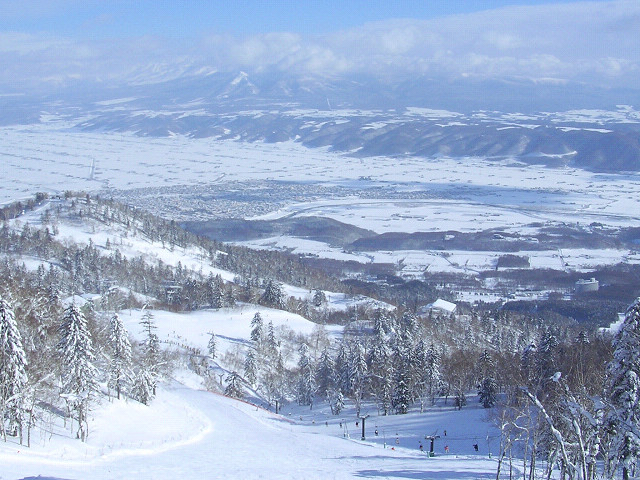
Hokkaido, Japan's northernmost island, is a globally renowned mecca for winter sports, celebrated for its exceptionally deep and dry powder snow, often referred to as 'Japow.' This reputation is built upon a constellation of world-class ski resorts, each offering a unique blend of challenging terrain, pristine backcountry access, and distinct cultural experiences. From the expansive slopes of Niseko United to the family-friendly charm of Furano Ski Resort and the off-piste adventures of Rusutsu Resort, Hokkaido caters to a diverse range of skiers and snowboarders. The island's volcanic geology contributes to its unique snow-making capabilities, creating a winter wonderland that draws hundreds of thousands of international visitors annually, particularly from Australia, China, and Southeast Asia. The ski season typically runs from late November through early May, with peak powder conditions often occurring between January and March. Beyond the groomed runs, Hokkaido's backcountry offers unparalleled opportunities for freeriding, attracting a dedicated community of powder hounds seeking untouched lines.
🎵 Origins & History
The genesis of Hokkaido's ski resorts can be traced back to the post-World War II era, with early development spurred by the burgeoning interest in winter sports and the island's natural snow bounty. Early pioneers recognized the potential of Hokkaido's mountainous terrain, particularly the Shiretoko Peninsula and the Daisetsuzan National Park region, for creating ski areas. Resorts like Niseko began to gain traction in the latter half of the 20th century, initially attracting domestic tourists. However, it was the strategic marketing and infrastructure development in the late 1990s and early 2000s, particularly by private operators and the Hokkaido prefectural government, that truly catapulted Hokkaido onto the international ski map. The hosting of the 1972 Sapporo Winter Olympics also played a crucial role in establishing Hokkaido as a winter sports destination, even if the specific Olympic venues were not all developed into major commercial resorts. The subsequent growth has been exponential, transforming sleepy mountain villages into bustling international hubs.
⚙️ How It Works
Hokkaido's ski resorts function by leveraging the island's unique meteorological conditions, which produce exceptionally cold, dry, and abundant snowfall. The prevailing winds from Siberia pick up moisture over the Sea of Japan, depositing it as light, fluffy powder snow across Hokkaido's mountain ranges. Resorts typically operate a network of ski lifts, including gondolas, high-speed quad chairs, and surface lifts, to transport skiers and snowboarders to various elevations. Terrain ranges from gentle beginner slopes to steep, challenging off-piste areas and extensive backcountry zones. Many resorts also offer night skiing, snowshoeing, and other winter activities. The operational success hinges on efficient snow management, avalanche control, and the continuous maintenance of lifts and facilities, often managed by large hotel chains like Prince Hotels and Hoshino Resorts.
📊 Key Facts & Numbers
Hokkaido boasts an average annual snowfall of over 14 meters (46 feet) in its prime ski areas, a figure that significantly outpaces many European and North American resorts. Niseko United, a collective of four interlinked resorts, receives an average of 15 meters (50 feet) of powder annually. The island is home to over 30 distinct ski resorts, with Rusutsu Resort often cited for its extensive terrain covering over 63 kilometers (39 miles) of pistes. International visitor numbers have surged, with Australia consistently ranking as the top source of foreign tourists, accounting for an estimated 40% of Niseko's international visitors in recent pre-pandemic years. The economic impact is substantial, with the ski industry contributing billions of yen annually to Hokkaido's regional economy, supporting local businesses and employment. Lift ticket prices can range from ¥6,000 to ¥10,000 per day, with multi-day passes offering discounts.
👥 Key People & Organizations
Key figures in Hokkaido's ski resort development include Kiyoshi Takahashi, a visionary who championed early development in Niseko, and the Prince Hotels corporation, which operates several major resorts including Furano Ski Resort and Shizukuishi Ski Resort. Hoshino Resorts, under the leadership of Yoshiharu Hoshino, has also significantly expanded its presence with properties like Tomamu Ski Resort, focusing on integrated luxury experiences. Local governments and tourism boards, such as the Hokkaido Tourism Organization, play a vital role in marketing and infrastructure development. The International Ski Federation (FIS) has recognized Hokkaido's premier resorts, such as Furano, by hosting World Cup events, further cementing their global standing. The influence of international ski tour operators, like MySnow and SkiMax, has been instrumental in bringing foreign clientele to the island.
🌍 Cultural Impact & Influence
Hokkaido's ski resorts have profoundly influenced global perceptions of Japanese winter tourism, transforming it from a niche interest into a mainstream destination. The concept of 'Japow' has become a cultural touchstone among skiers and snowboarders worldwide, driving a significant influx of international visitors and fostering a unique cross-cultural exchange in mountain towns. The aesthetic of deep powder, minimalist backcountry riding, and the integration of onsen (hot springs) culture with skiing has inspired trends in gear design, apparel, and travel. The economic boom has led to rapid development, changing the social fabric of formerly quiet villages, with a notable increase in foreign-owned businesses and a growing expatriate community, particularly in areas like Hirafu. The visual imagery of Hokkaido's snow-laden forests and pristine slopes has become iconic in winter sports media.
⚡ Current State & Latest Developments
The current state of Hokkaido's ski resorts is characterized by continued growth and diversification, albeit with recent challenges from the global pandemic. Resorts are increasingly focusing on year-round tourism, offering summer activities like hiking, golf, and cultural experiences. There's a growing emphasis on sustainability and environmental stewardship, with many resorts implementing eco-friendly practices to preserve their pristine natural environment. Investment in luxury accommodation and dining continues, catering to a high-end international market. The rise of social media has further amplified Hokkaido's allure, with platforms like Instagram and TikTok showcasing the island's powder and scenery to a global audience. The development of new infrastructure, including potential high-speed rail links, is also being explored to improve accessibility.
🤔 Controversies & Debates
A significant debate surrounds the rapid internationalization of Hokkaido's ski resorts, particularly in Niseko. Critics argue that the influx of foreign investment and tourism has led to soaring property prices, displacing local residents and altering the traditional character of towns like Hirafu. Concerns are also raised about the environmental impact of increased development and visitor numbers, and the potential strain on local resources. Another point of contention is the accessibility and affordability for domestic Japanese skiers, as resorts increasingly cater to international markets with higher price points. The balance between preserving Hokkaido's natural beauty and facilitating economic growth remains a delicate and ongoing challenge.
🔮 Future Outlook & Predictions
The future of Hokkaido's ski resorts appears poised for continued evolution, with a strong emphasis on sustainable tourism and experiential offerings. Expect further investment in luxury accommodations and unique activities that go beyond traditional skiing, such as heli-skiing and cat-skiing operations, which are expanding in areas like Yubari and Kamui Ski Links. The development of integrated resort experiences, combining skiing with cultural immersion, fine dining, and wellness, will likely intensify. As climate change becomes a more pressing concern, resorts will need to adapt by investing in snowmaking technology and diversifying their offerings for warmer seasons. Furthermore, efforts to improve accessibility and manage visitor flow will be crucial to ensure the long-term viability and appeal of Hokkaido as a premier winter destination, potentially through improved transportation links from New Chitose Airport.
💡 Practical Applications
The primary application of Hokkaido's ski resorts is, of course, recreational skiing and snowboarding. However, their infrastructure and natural environment lend themselves to a variety of other uses. Many resorts serve as training grounds for professional athletes and national ski teams, benefiting from the consistent snow quality and challenging terrain. The unique snow conditions are also of interest to researchers studying snow science and avalanche dynamics. Beyond winter, the mountainous terrain is utilized for summer hiking, mountain biking, and as locations for film and photography shoots, capitalizing on the dramatic landscapes. The development of hot spring resorts (onsen) integrated with ski facilities has created a unique wellness tourism niche, attracting visitors seeking relaxation and rejuvenation after outdoor activities.
Key Facts
- Year
- 1950s-Present
- Origin
- Hokkaido, Japan
- Category
- places
- Type
- place
Frequently Asked Questions
What makes Hokkaido's snow so special?
Hokkaido's snow is renowned for its exceptional quality, often called 'Japow,' due to its extreme dryness and lightness. This is a result of cold, dry winds blowing from Siberia across the Sea of Japan, picking up moisture before depositing it as light, fluffy powder snow across the island's mountainous terrain. This unique meteorological phenomenon, occurring primarily between January and March, creates unparalleled conditions for skiing and snowboarding, with average annual snowfalls exceeding 14 meters (46 feet) in many popular resorts like Niseko United.
Which are the most famous Hokkaido ski resorts?
The most internationally recognized resort area is Niseko United, comprising four interlinked resorts: Grand Hirafu, Niseko Village, Annupuri, and Hanazono. Other highly regarded resorts include Rusutsu Resort, known for its varied terrain and family-friendly atmosphere, and Furano Ski Resort, famous for its challenging slopes and hosting FIS World Cup events. Kiroro Snow World and Tomamu Ski Resort also attract significant numbers of visitors seeking deep powder and unique experiences.
When is the best time to ski in Hokkaido?
The prime skiing season in Hokkaido typically runs from late November to early May, with the absolute best powder conditions usually occurring between January and March. During these months, the island receives its heaviest and driest snowfall. January and February are particularly popular for experiencing the deepest powder. For those seeking fewer crowds and potentially good snow, late November, December, and March can also offer excellent skiing opportunities.
What are the main concerns regarding Hokkaido's ski tourism?
A primary concern is the impact of rapid internationalization and foreign investment, particularly in areas like Niseko. Critics point to rising property prices, potential displacement of local residents, and the alteration of traditional town character. There are also ongoing debates about the environmental sustainability of extensive resort development and the strain on local resources. Ensuring that economic benefits are shared equitably and that the unique natural environment is preserved are key challenges for the region's future.
Beyond skiing, what else can visitors do in Hokkaido during winter?
Hokkaido offers a wealth of winter activities beyond skiing and snowboarding. Visitors can experience traditional Japanese hot springs (onsen), often integrated with resort facilities, providing a perfect way to relax after a day on the slopes. Other popular activities include snowshoeing through pristine forests, ice fishing, exploring local food markets, and enjoying Hokkaido's renowned cuisine, such as fresh seafood and ramen. Many resorts also offer unique experiences like snowmobiling, dog sledding, and visiting ice festivals like the Sapporo Snow Festival.
How do I get to Hokkaido's ski resorts?
The primary gateway to Hokkaido's ski resorts is New Chitose Airport (CTS) near Sapporo, which receives direct flights from major international cities and numerous domestic routes. From the airport, most major resorts are accessible via direct airport limousine buses, which are convenient and cost-effective. For example, buses to Niseko take approximately 2.5 to 3 hours. Alternatively, visitors can take a JR train from the airport to Sapporo Station and then connect to other destinations, or arrange private transfers for greater flexibility. Renting a car is also an option, but winter driving conditions can be challenging.
What is the future outlook for Hokkaido ski resorts?
The future of Hokkaido's ski resorts is expected to focus on sustainable tourism, luxury experiences, and year-round appeal. Resorts are investing in eco-friendly practices and diversifying offerings to include summer activities like hiking and golf. There's a growing trend towards integrated resort experiences that combine skiing with cultural immersion, fine dining, and wellness. Continued development of infrastructure, potentially including high-speed rail, aims to improve accessibility. The challenge will be balancing growth with environmental preservation and maintaining the unique charm that attracts visitors globally.