
Contents
Overview
Hormonal therapies are medical treatments that involve administering hormones to the body to correct deficiencies, manage conditions, or achieve specific physiological effects. These therapies leverage the body's own signaling molecules—hormones—to influence a vast array of functions, including growth, metabolism, reproduction, mood, and immune response. While historically most associated with estrogen replacement therapy for menopausal symptoms, the scope of hormonal therapies has expanded dramatically to encompass treatments for thyroid disorders, diabetes, growth hormone deficiencies, testosterone replacement, and even certain cancers. The development and application of these therapies represent a profound understanding of endocrinology, with ongoing research continually refining their efficacy, safety, and application across diverse medical fields.
🎵 Origins & History
Hormonal therapies have a history rooted in the early 20th century, with foundational discoveries about endocrine glands. Edward Kendall isolated thyroid hormones in the 1910s. Estrogen was first isolated in the 1920s, and its therapeutic use for menopausal symptoms began to gain traction by the mid-20th century. Understanding of risks, particularly concerning breast cancer, evolved significantly over decades, notably following the Women's Health Initiative study published in 2002.
⚙️ How It Works
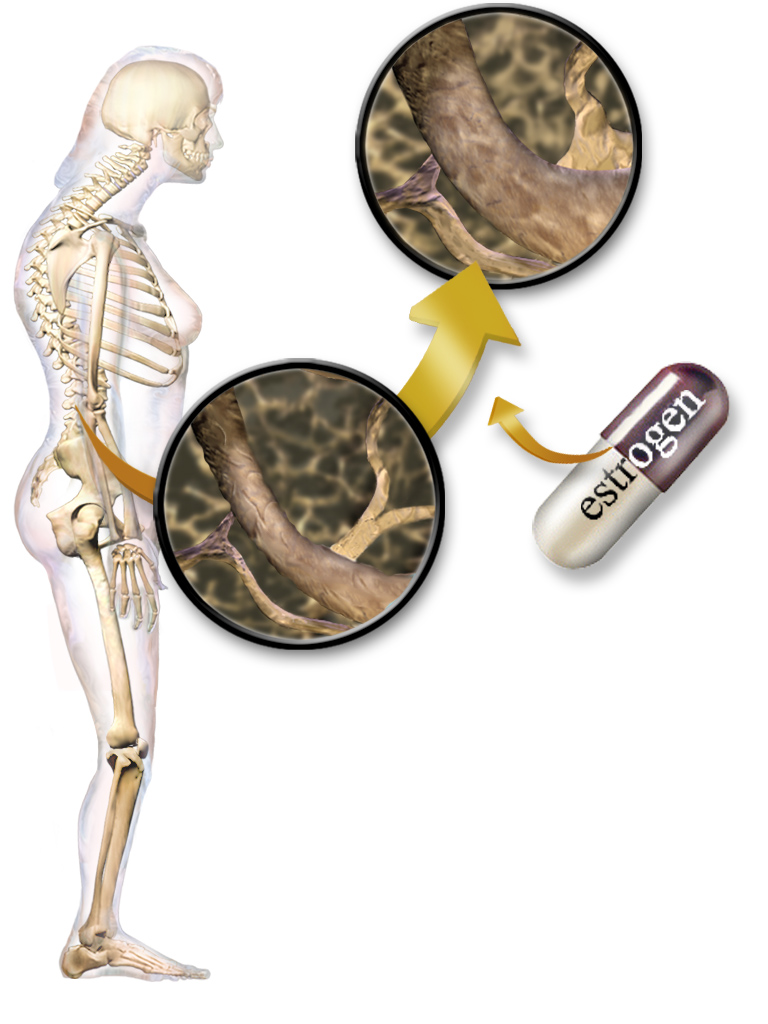
Hormonal therapies function by introducing exogenous hormones or hormone analogs into the body, which then bind to specific receptors on target cells, mimicking or blocking the action of endogenous hormones. For instance, estrogen replacement therapy (ERT) involves administering estradiol or related compounds to alleviate menopausal symptoms caused by declining ovarian function. Testosterone replacement therapy (TRT) uses testosterone to treat hypogonadism in men. In diabetes, insulin therapy replaces or supplements the body's insufficient insulin production, regulating blood glucose levels. The precise dosage, delivery method (e.g., pills, injections, patches, gels), and combination with other hormones (like progestogens in menopausal hormone therapy to protect the endometrium) are critical for efficacy and safety, as hormones exert widespread effects throughout the body.
📊 Key Facts & Numbers
The production of synthetic hormones has become a multi-billion dollar industry, with major pharmaceutical companies like Pfizer and Novartis heavily invested.
👥 Key People & Organizations
Pioneers in endocrinology laid the groundwork for hormonal therapies. Key organizations like the Endocrine Society and the American Association of Clinical Endocrinologists (AACE) drive research and clinical guidelines. Pharmaceutical giants such as Pfizer, Bayer, and Novartis are major players in the development and manufacturing of hormonal drugs. Research institutions like the National Institutes of Health (NIH) fund critical studies, while regulatory bodies like the U.S. Food and Drug Administration (FDA) oversee drug approval and safety monitoring.
🌍 Cultural Impact & Influence
Hormonal therapies have profoundly reshaped perceptions of aging, gender, and chronic disease management. The advent of estrogen replacement therapy offered women relief from menopausal symptoms, influencing lifestyles and contributing to a narrative of "youthful aging." However, this also sparked debates about the risks versus benefits, particularly concerning breast cancer and cardiovascular disease. The availability of testosterone replacement therapy has influenced discussions around male aging and vitality, while gender-affirming hormone therapy has become a critical component of transgender healthcare, enabling individuals to align their physical characteristics with their gender identity.
⚡ Current State & Latest Developments
The landscape of hormonal therapies is continuously evolving. Gene therapy and peptide-based therapies are emerging as novel approaches to hormone delivery and modulation, potentially offering more targeted and sustained effects. Research into personalized hormone therapy, based on individual genetic profiles and specific hormone receptor sensitivities, is gaining momentum. Furthermore, advancements in drug delivery systems, such as long-acting injectable formulations and transdermal patches, aim to improve patient adherence and reduce side effects. The development of selective estrogen receptor modulators (SERMs) and selective androgen receptor modulators (SARMs) represents a move towards more nuanced hormonal interventions with fewer systemic risks.
🤔 Controversies & Debates
The use of hormonal therapies is not without significant controversy. The long-term safety of menopausal hormone therapy remains a subject of debate. The Women's Health Initiative study observed increased risk of breast cancer, strokes, and heart attacks, although subsequent analyses have refined these risk profiles. The off-label use of testosterone for "anti-aging" in men with normal testosterone levels is criticized by many endocrinologists due to potential cardiovascular risks and lack of robust evidence for efficacy. Concerns also exist regarding the ethical implications and long-term health outcomes of gender-affirming hormone therapy, particularly for adolescents, though major medical organizations affirm its necessity and safety when administered under medical supervision. The potential for misuse of anabolic steroids, which are synthetic testosterone derivatives, in sports and bodybuilding also presents a significant ethical and health challenge.
🔮 Future Outlook & Predictions
The future of hormonal therapies points towards greater precision and personalization. Advances in genomics and proteomics will enable the tailoring of hormone treatments to an individual's unique biological makeup, minimizing side effects and maximizing therapeutic benefits. The development of bioidentical hormone replacement therapies (BHRT), synthesized to be chemically identical to endogenous hormones, is a growing trend, though their superiority over conventional therapies is still debated. Researchers are also exploring novel hormone targets and pathways for conditions ranging from neurodegenerative diseases like Alzheimer's to autoimmune disorders. The integration of artificial intelligence (AI) in predicting patient responses and optimizing treatment regimens is also on the horizon.
💡 Practical Applications
Hormonal therapies have a vast array of practical applications across medicine. Estrogen replacement therapy is used to manage menopausal symptoms like hot flashes and vaginal atrophy, and to prevent osteoporosis. [[Testosterone-replacement-therapy|Testosterone replaceme
Key Facts
- Category
- science
- Type
- topic